EN
 PT_BR

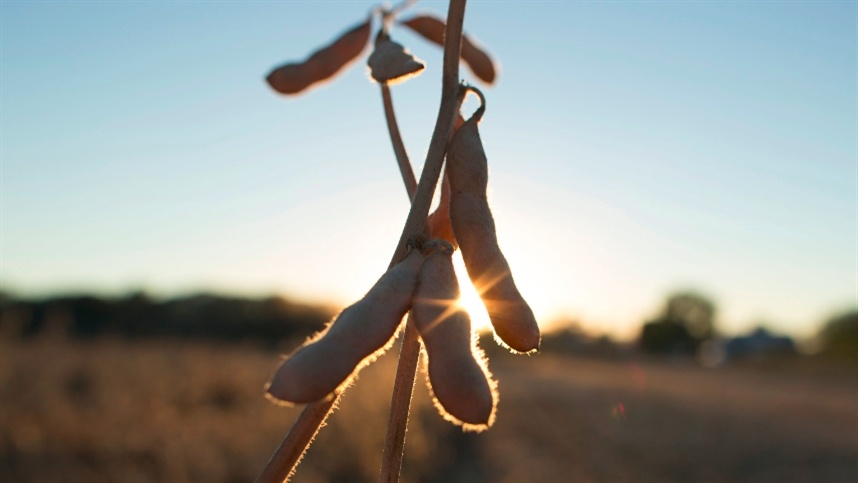
THE soy The 2026/27 season is starting to appear on the radar of producers in Mato Grosso do Sul even before the end of the second harvest. cornWith 63.9% of the monitored area of corn Already harvested, according to data released by Aprosoja/MS, occurrences recorded during the off-season and problems observed in recent cycles help define the main points of attention for the new crop.
The scenario was discussed during the Mato Grosso do Sul Consultant Event, promoted by ADAMA in Campo Grande. The meeting brought together consultants working in the state and researchers to address challenges related to the transition between crops, with emphasis on the control of horseweed, the behavior of pests and diseases, resistance, the intensification of production systems, and the influence of climate on field decisions.
Among the warnings is the presence of horseweed in monitored areas during the progress of desiccation operations. A survey by SIGA-MS indicated a high occurrence of the weed, while consultants and specialists also drew attention to populations of brown stink bugs and the increased incidence of cercospora at the end of the soybean cycle in recent seasons.
“It’s important to consider what each area has shown previously and what is happening there now. Mato Grosso do Sul is in a climate transition zone, a characteristic that interferes with the dynamics of pests, diseases, and weeds. This information helps to better guide agronomic decisions,” says Rubia Bovo, agronomist specializing in Market Development at ADAMA.
In the case of horseweed, planning begins before sowing, with attention to desiccation and the use of pre-emergence strategies for difficult-to-control species. Monitoring and the timing of interventions were also highlighted in the discussions, considering the behavior of pests and diseases observed in recent years.
Resistance to the products used in crop management also comes into play when preparing for the next harvest. Intense crop rotation and shorter operational windows increase the complexity of decisions, especially on large farms, where carrying out operations at the appropriate time affects the agronomic outcome.
Another point of concern is the repetitive use of the same molecules to control different targets. According to discussions held at the event, this practice favors the selection of resistant populations and reinforces the need for more integrated management strategies.
Corn intercropping with brachiaria grass was also discussed as a practice capable of contributing to the production system. Widely used in Mato Grosso do Sul, this model increases soil cover, contributes to its structure, and helps control weed species.
This practice can also promote greater resilience in regions subject to dry spells. Therefore, canopy management becomes part of the strategies discussed for preparing areas for the next growing season.
Weather conditions complete the picture of what requires attention for the 2026/27 soybean crop. With El Niño influencing the cycle, monitoring the conditions of each region and adjusting decisions during crop development becomes crucial for agronomic planning.
For ADAMA, bringing consultants together at this time allows them to better connect the information observed in different regions with the reality of each property.
“Mato Grosso do Sul is of significant importance to Brazilian production and, at the same time, has a very particular agronomic reality. The event allows us to discuss what is being observed in the field, exchange information with researchers, and transform this regional knowledge into more assertive decisions,” says Rafael Mancini, Market Development Manager at ADAMA.
The proposal discussed at the meeting is to use the information accumulated throughout the cycles to anticipate decisions and direct management according to the characteristics of each area.
“When we connect the area's history, the current scenario, and the expected conditions for the coming months, we increase our ability to plan before the problem arises,” concludes Mancini.