EN
EN  PT_BR
PT_BR 
Bioma, one of the leading suppliers of microbiological inputs for Brazilian agribusiness, announces the commercial registration of the first 100% fungicide based on metabolites developed in the country.
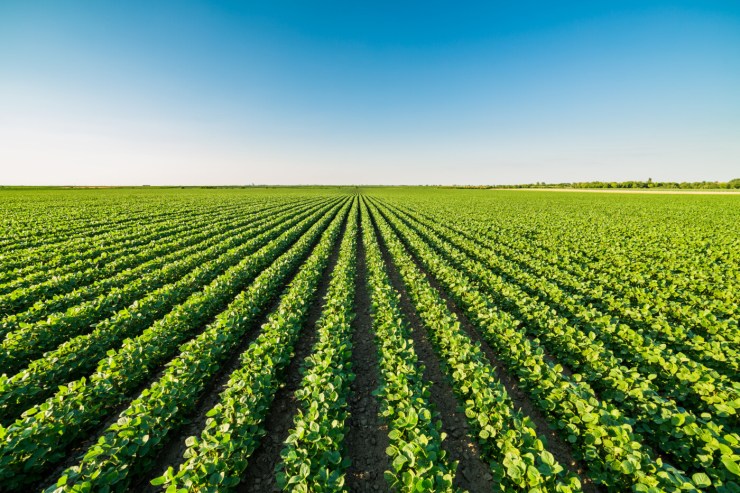
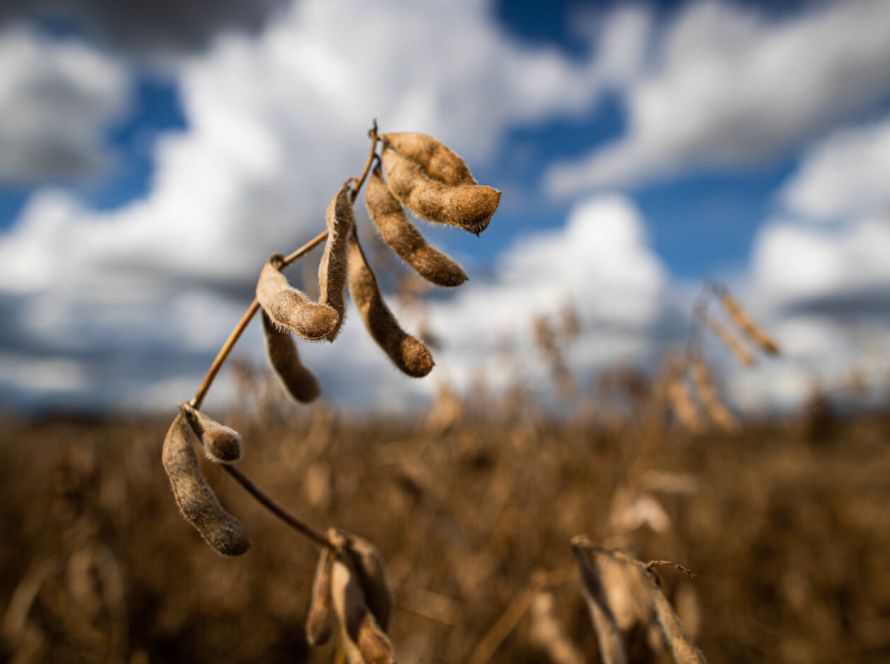
The registration opens a new frontier of innovation for the Brazilian bio-input industry. Although the country has made progress in the development of microbiological products formulated with live fungi and bacteria, the category of fungicides based strictly on isolated metabolites is dominated by foreign solutions. The national technology was registered for the management of anthracnose, caused by Colletotrichum truncatum, and target spot, caused by Corynespora cassiicola, two of the main diseases of soybeans.
The new product is the result of five years of research conducted within Cogny, the world's largest ecosystem of bio-inputs. The scientific and technological design was led by Orygen, the group's Research & Development company, under the coordination of Research Director Artur Soares. Bioma led the strategy for developing, registering, and making the solution available to the market, which is expected to begin very soon.
Billion-dollar market
Fungicides generated approximately US$6.5 billion in Brazil in 2025, representing 32% of the US$20.2 billion registered by the agricultural pesticides market. The category also accounted for 466,000 tons, or 26% of the total volume of 1.79 million tons of products applied to Brazilian crops, according to a survey by Kynetec Brasil released by the National Union of the Plant Protection Products Industry.
Among biological products, biofungicides were the category with the greatest growth in value in 2025. Revenue increased by 411% and reached R$1.4 billion, while the treated area reached 26 million hectares, a growth of 371% over the previous year, according to CropData, a platform of CropLife Brasil. The entity's public database does not yet separate fungicides formulated exclusively with metabolites, a segment that is only now beginning to gain commercial scale in the country.
 “The registration of Metabolic Protection represents much more than the approval of a new product. It demonstrates the capacity of Brazilian science to develop unprecedented technologies and transform them into high-impact solutions for rural producers. It is a milestone for Bioma, for Orygen, and for the entire Cogny innovation ecosystem,” says Soares.
Innovation arrives in the field within an international environment pressured by geopolitical conflicts, exchange rate fluctuations, and uncertainties in supply chains. Between January and May 2026, Brazilian imports of chemical pesticides totaled US$4.28 billion, according to CropData. This volume reinforces the exposure of national agriculture to the external market and the strategic importance of technologies developed and produced in the country.
A blend of 40 metabolites
Bioma's technology uses a proprietary methodology capable of stimulating the expression of specific genes in microorganisms responsible for producing compounds of agronomic interest. The process results in a blend of approximately 40 metabolites. More than 20 have a direct action against fungi, while another 17 induce the plant's natural defense mechanisms. "The combination of different molecules and mechanisms of action addresses one of the main challenges in soybean phytosanitary management, which is the gradual loss of effectiveness of some chemical fungicides due to resistance developed by pathogens after successive applications of products with similar mechanisms," says Soares.
According to the researcher, anthracnose and target spot are among the most relevant foliar diseases of the crop and can cause productivity losses of up to 40% in susceptible cultivars and under conditions favorable to the spread of fungi. The incorporation of molecules of biological origin into conventional programs expands the diversity of mechanisms used against pathogens and contributes to reducing the selection pressure on them.
Five years of research
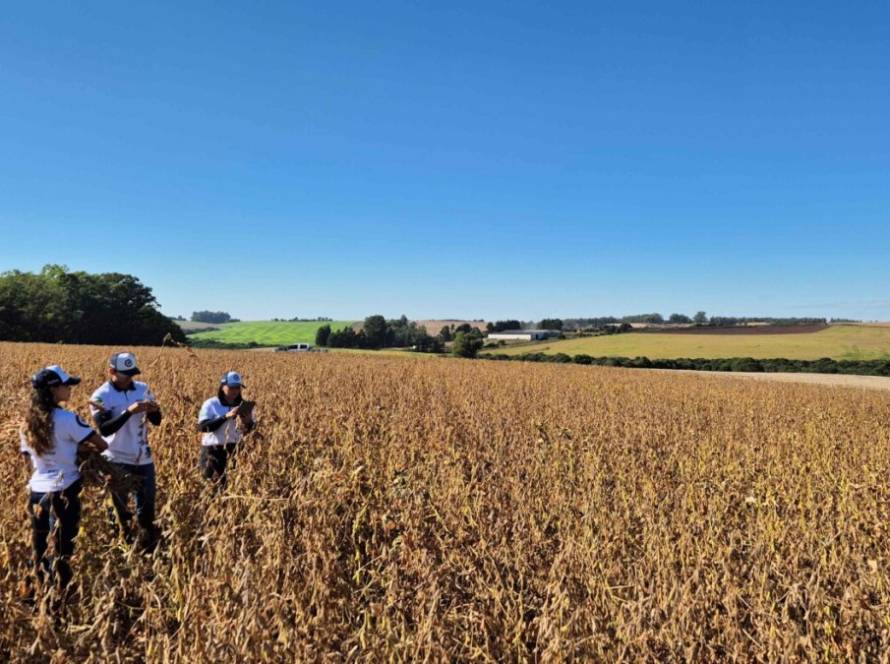
During the five years of research, the biofungicide was evaluated in more than 50 producing regions of Brazil, under different climatic conditions, management systems, and levels of disease pressure. The tests analyzed both the efficiency in controlling pathogens and the integration of the technology into programs already used by farmers.
This development continues a trajectory of innovations led by Bioma. Among these innovations are Bioma Phos, a biological phosphorus solubilizer currently being expanded into the European market; and Hydratus, developed from a bacterium native to the Caatinga biome to increase plant tolerance to water stress. These technologies arose from the integration of Embrapa's scientific research and the capacity of companies within the ecosystem to validate, scale, register, and bring new solutions to market. The new fungicide expands this strategy by moving from products formulated with live microorganisms to the development of molecules produced by them.
“Having access to technology developed and produced in Brazil offers greater security of supply, more predictability for crop planning, and freedom to build long-term management strategies. By reducing external vulnerabilities and increasing efficiency in the field, we also help make Brazilian agricultural products even more competitive in the country and in the international market,” Soares points out.
About the Biome
Bioma develops technological solutions in the areas of inoculants, fertilizers, and biopesticides, seeking hormonal and nutritional balance in plants along with efficient pest and disease control, through the formulation of essential, high-quality products that result in increased crop productivity. In partnership with research and teaching institutions, the company is responsible for one of the most complete and diversified product portfolios in the national microbiological market.