EN
EN  PT_BR
PT_BR 
The terms of trade for soybean producers enter 2026 in a more favorable condition than those observed throughout 2025. After a year in which fertilizer costs consumed a significant portion of producers' purchasing power, the first months of 2026 show a consistent decline in MAP and KCl prices measured in bags per ton, while soybeans maintain high price levels in the international market and in the physical market in Mato Grosso. The data comes from Agro Consulting. Itaú BBA.

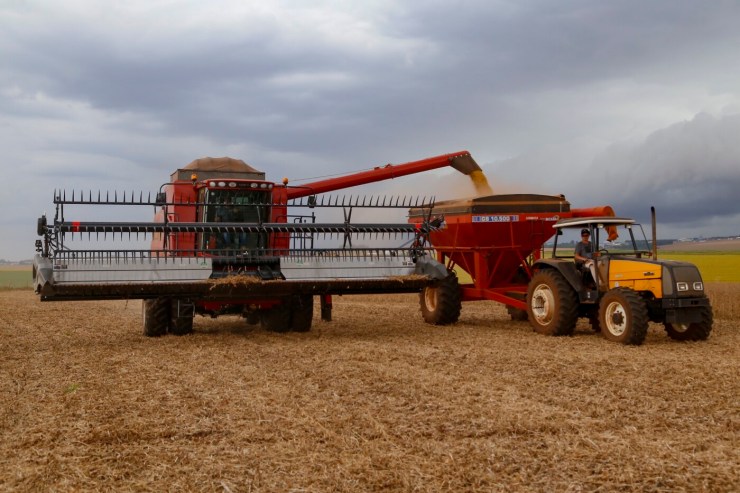
Photo: Disclosure/OPR Archive
In 2025, the MAP (Manufacturing Amount per Ton) reached over 35 sacks of soybeans per ton at various times, well above the historical average. At the beginning of 2026, the indicator fell to the range of 27 to 29 sacks, returning to levels close to the long-term range and reducing pressure on the cost of crop establishment.
KCl exhibits similar behavior. Throughout last year, the cost reached over 15 sacks per ton. Now, it hovers between 12 and 13 sacks, a significant improvement for an input that makes up the base fertilization of the crop.
On the revenue side, soybeans are preserving value. Contracts on the CBOT remain mostly above US$ 10 per bushel and, at various times, approach US$ 12.

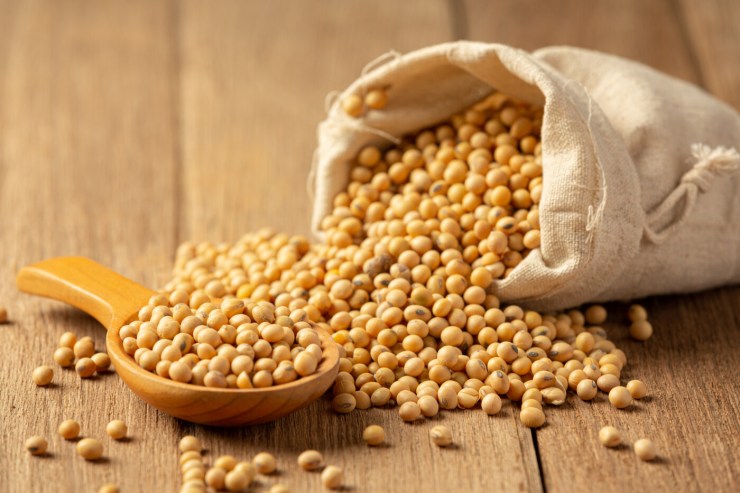
Photo: Wenderson Araujo/Trilux
In the physical market of Sorriso, a benchmark for Mato Grosso, prices in reais per sack remain supported even with the recent stabilization of the exchange rate.
In practice, at the beginning of 2026, the producer needs less soy to acquire the same amount of MAP and KCl as they needed in 2025.
The improved terms of trade occur when fertilizer purchases and marketing strategies for the next harvest are being defined, altering the calculation of crop costs.