EN
EN  PT_BR
PT_BR 
With most chicken meat export flows re-established, the expectation for the last quarter of the year is for shipments to remain at a high level, with the possibility of further improvement from October onwards, given the recovery in European demand. This movement tends to reduce domestic surpluses and support prices, especially considering that the main destinations remain active, even with China still not signaling any easing of restrictions.
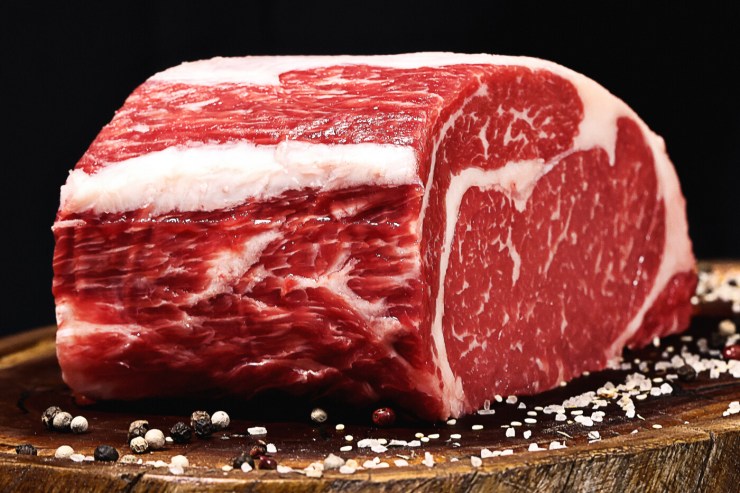
In the domestic market, this period is traditionally favorable for consumption, driven by the end-of-year holidays. Despite the increased value of chicken meat, the price ratio compared to beef forequarter remains historically advantageous for poultry, which should maintain the product's competitiveness in retail.

Photo: Ari Dias
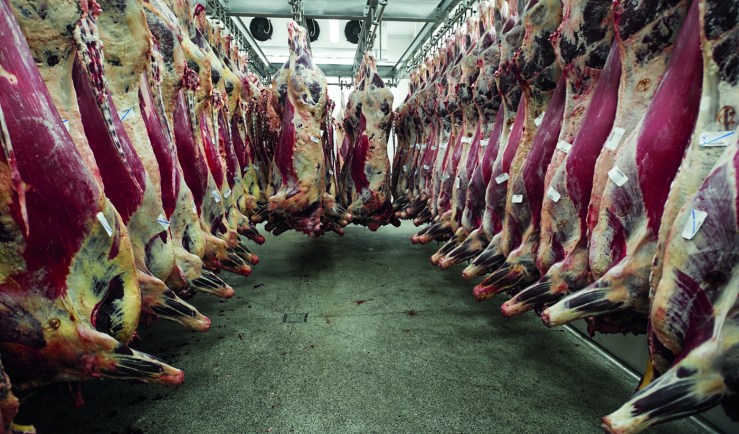
One point of concern is the supply of beef, which, although showing a good slaughter rate, is not registering surpluses. This factor prevents carcass prices from falling and acts as additional support for chicken prices, balancing the market.
The outlook is also positive for the margins of processing industries. Costs remain under control, with corn and soybean prices showing no significant pressure. Domestic and international demand should remain strong, contributing to the financial stability of the sector.
In the fields, weather conditions are favorable for the development of the summer crop. In the case of corn, carryover stocks are expected to exceed expectations, reflecting the low competitiveness of exports, which reinforces the prospect of stable feed costs.
With positive factors in both exports and the domestic market, and costs under control, the poultry sector begins the last quarter in a favorable position, with expectations of stable prices and preserved margins.