EN
EN  PT_BR
PT_BR 
With the start of the month marked by rain, hail, and strong winds in several regions of Paraná, mainly in the Central-West and North of the state, Paraná's agriculture remains committed to overcoming the challenges and achieving good harvest results. Numbers are already available on the problems faced in soybean, corn, and bean crops, while data on other crops are being analyzed. The data is available on [website/platform name - needs to be filled in]. Bulletin Wconjunctural from the Department of Rural Economy (Deral), of the Secretariat of Agriculture and Supply (Seab).
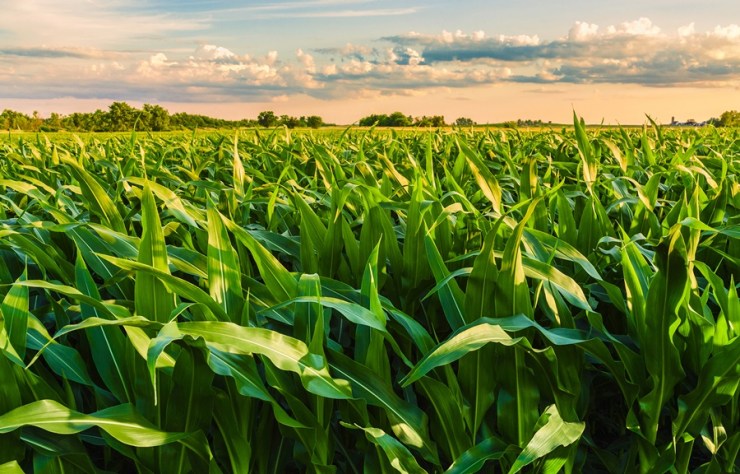
The storms significantly affected some soybean crops in the state. Considering that the average conditions had increased from 3% to 6%, the adverse weather resulted in 1% of soybean crops being in poor condition, which means 31,000 hectares damaged. However, the Deral survey shows that 93% of the soybean planting areas are still in good condition, representing 4.3 million hectares.

Photo: Disclosure/Freepik
In the most affected areas, producers will need to revise their strategy, either by filing an insurance claim or replanting. In the latter case, a delay in planning will be inevitable, generating the need to adjust the second crop and possibly opt for another crop.
For beans, whose production is concentrated in the south of the state, where there was less impact from the storms, 77% of the crops are in good condition. Planting has already reached 91% of the planned area of 104,000 hectares. The excess moisture and low sunlight recorded in October, combined with the fact that beans have a shorter cycle, with less time to recover from climatic problems, should present some limitations in productivity.
With some crops reaching maturity, Deral estimates that bean harvests will begin this month and should extend until February 2026, considering that some areas have not yet been sown.
Meanwhile, the planting of the first corn crop is showing stable progress, with 99% of the area already sown, surpassing the performance of 98% from the same period last year.
According to Deral, these three crops—soybeans, corn, and beans—are still within the ideal planting period, allowing for replanting, which should enable the recovery of some of the affected areas.
Cattle

Photo: Disclosure/OPR Archive
Over the years, Deral has observed that, after the slaughter cycle, the replacement cost in Paraná has been rising on average across Brazil. According to the Center for Advanced Studies in Applied Economics (Cepea) in São Paulo, the exchange ratio between the arroba of fat cattle and calves increased by 41% compared to the same month last year. This means that, in some areas, the producer needs to sell almost 10 arrobas to acquire a calf, reaching up to 13.6 arrobas in others.
With the approach of the end-of-year holidays, it is likely that prices will end 2025 at high levels for the price per arroba of beef.
In the Paraná wholesale market, the average prices for forequarter and hindquarter cuts in October showed little variation. While forequarter cuts became 0.47% cheaper, hindquarter cuts increased by 0.86%. In retail, the main cuts fell in price, notably ground beef, which became almost 10% cheaper compared to the September average. However, over the last 12 months, all cuts have become more expensive, ranging from 10% (top round) to 21% (boneless bottom round).
Pigs

Photo: Ari Dias
In pig farming, retail prices remain stable and at a high level, following the strong appreciation in 2024. The average R$ of 22.36/kg accumulated for the year represents an increase of 27.5% compared to 2024, reflecting a strengthened sector with good acceptance in the domestic and international markets.
Among the cuts surveyed by Deral, the bone-in shoulder showed the greatest average price variation, going from R$ 14.16/kg in the first ten months of 2024 to R$ 18.20/kg in 2025, that is, an increase of 28.5%. The boneless loin registered an average increase of 27.5% and the bone-in leg had a variation of 25.2%.
Driven by demand due to the end-of-year festivities, Deral forecasts an increase in retail pork prices, although more modest than that observed in the previous year.