EN
EN  PT_BR
PT_BR 
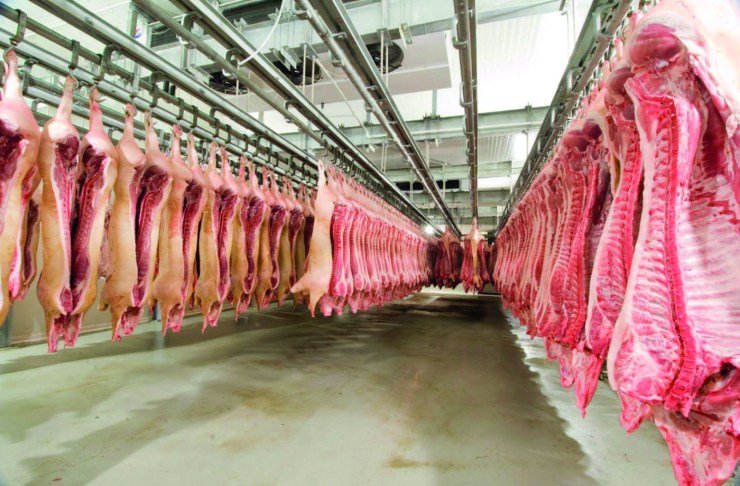
Driven by lower production costs and strong international demand, Brazilian pig farming is on track to end 2025 as one of the best years in its history. The combination of favorable corn and soybean meal prices has guaranteed the sector robust margins, stimulating production expansion and increased slaughter throughout the year.
According to analyses by Itaú BBA's Agro Consulting firm, the controlled cost environment has been crucial in accelerating the growth cycle of the sector and increasing the competitiveness of the protein in the global market.
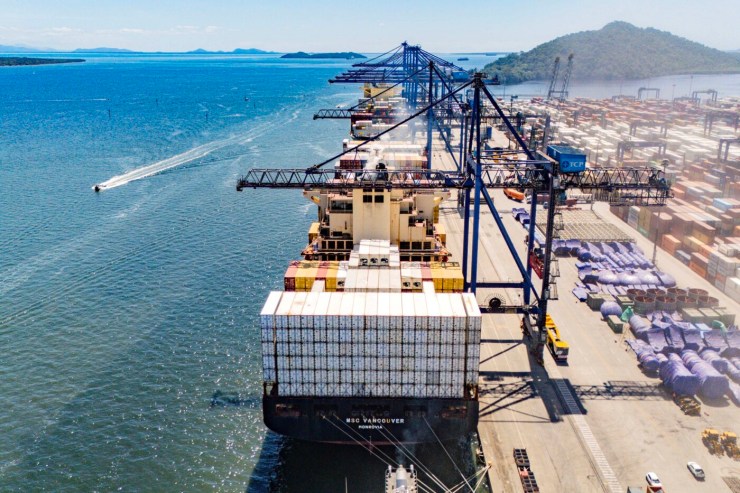
 The external environment remained equally favorable. Asian demand, which accounts for approximately 651% of Brazilian exports, maintained its accelerated pace and was decisive for yet another annual record. The Philippines, Japan, and Vietnam significantly increased their purchases, offsetting the contraction observed in China. In the Americas, markets such as Chile, Mexico, Argentina, and Uruguay also reinforced Brazilian performance and are emerging as strategic destinations for 2026.
Projections indicate that national production should grow by 51% in 2025, while exports should increase by 15% in 2025. Even with the increase in shipments, domestic consumption should also reach a new historical level, maintaining the balance between supply and demand in the domestic market.
The expectation for the next harvest is for balanced feed costs, despite possible adjustments in corn prices, which should sustain the competitiveness of the protein and prolong the cycle of favorable margins that has already lasted three years. This stimulating environment is already reflected in the pace of production, which is higher than that recorded in the same period last year.
Despite the positive outlook, experts warn that this is an opportune moment for the sector to strengthen its resilience in the face of potential fluctuations, especially in the international market. Careful evaluation of investments and maintenance of liquidity will be essential to confront the traditional volatility of pig farming and preserve the stability achieved in recent years.