EN
EN  PT_BR
PT_BR 
In a year marked by tariff shocks, reconfiguration of trade flows, and historical records in trade volume, Brazilian foreign trade is navigating 2025 under high operational stress. Although aggregate figures indicate robust performance, the environment for exporters has become more complex, volatile, and selective, demanding an unprecedented level of document preparation from companies.
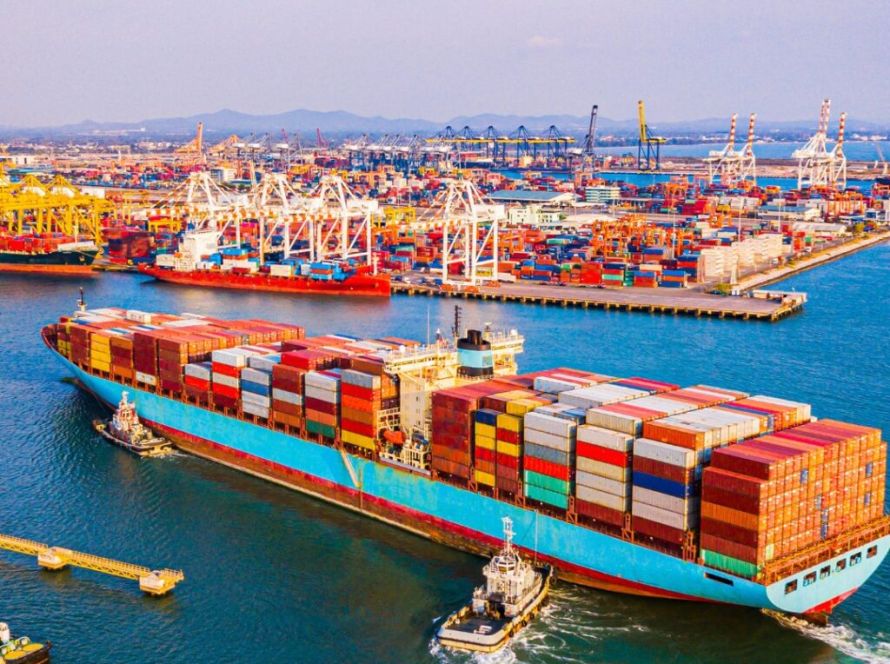
Official data shows that, up to October 2025, Brazil reached US$289.7 billion in exports and US$237.3 billion in imports, resulting in a surplus of US$52.3 billion and a record trade flow of US$527.1 billion.

Gabriel Del Bello, specialist in Language Interpretation and Translation: “In a year in which the global market has become distorted, it is not enough to compete on price or scale. Those who do not have sharp paperwork risk being left out.”
The progress, however, masks significant asymmetries between sectors and markets. A substantial portion of Brazilian exporters directly felt the effects of the tariff hike imposed by the United States, with surcharges that reduced competitiveness and caused contraction in specific segments.
Faced with the loss of market share in traditional markets and exchange rate instability, companies have accelerated the opening of new destinations, redesigned logistics routes, and negotiated with multiple jurisdictions simultaneously. This movement has significantly increased the regulatory and documentary complexity of operations, transforming paperwork management into one of the main bottlenecks in foreign trade by 2025.
What was once treated as a bureaucratic step has become a central element of export strategy. With more fragmented global flows and stricter international oversight, requirements such as proof of origin, traceability, and technical compliance have gained decisive weight in the release of cargo.
Technical and certified translations, especially of reports, safety data sheets (SDS), certificates of analysis, contracts, and labels, have become a sensitive issue, capable of determining whether goods are shipped or remain detained at the port. “In a year where the global market has been disrupted, it's not enough to compete on price or scale. Those who don't have sharp paperwork risk being left out,” says Gabriel Del Bello, a specialist in [the field]. Language Interpretation and Translation.
According to him, seemingly minor errors such as an inaccurate translation, a certificate that does not meet the standards required by the destination country, or an inconsistency between documents are enough to cause delays, fines, or even the rejection of entire shipments.

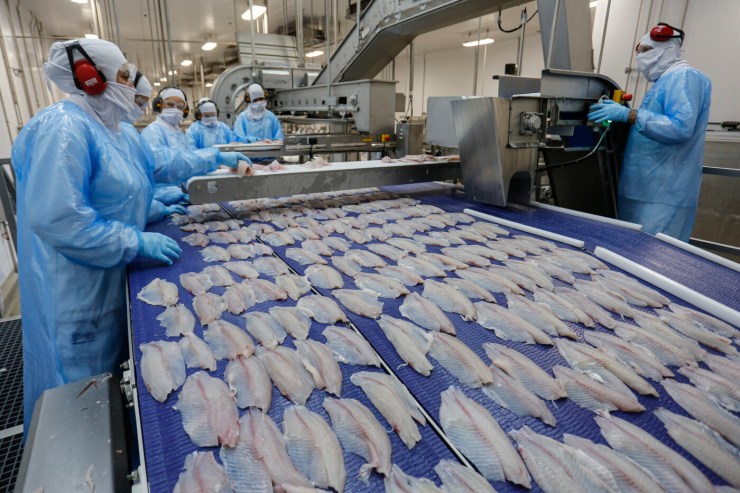
Photo: Claudio Neves
Furthermore, the increase in the number of markets served has raised the volume of simultaneous technical dossiers and contracts, requiring versioning systems, revision histories, and rigorous deadline control. In an environment where tariffs and rules change rapidly, the time to correct errors has decreased, increasing operational risk. "This year has made it clear that the difference between shipping or seeing a container sitting idle is often not in the price, but in the correct documentation," summarizes Del Bello.
By 2026, the assessment is that the pressure for compliance is likely to increase. Importers, health and customs authorities should maintain or increase the rigor in document analysis, especially in a context of trade disputes and greater concern for safety, sustainability and traceability.
Given this scenario, Del Bello recommends that exporters enter the new year with prior planning, detailed mapping of the requirements of each market, and structured regulatory compliance processes. "Those who reach 2026 with a ready checklist, aligned documents, and appropriate technical translation will have a competitive advantage and greater security to operate globally, even in an unstable environment," he points out.