EN
EN  PT_BR
PT_BR 
The Gross Value of Agricultural Production (VBP) in Amapá reached R$ 235.65 million in 2025, a result that represents a growth of 4.3% compared to 2024 (R$ 225.88 million), according to data released by the Ministry of Agriculture and Livestock on November 21. This performance confirms the recovery after the decline of the previous year and reflects, above all, the growth of commercial crops, especially soybeans and corn, which have gained ground in the composition of the state's VBP.
While Brazil's VBP (Value of Agricultural Production) advanced 11.4% (Gross Production Value per Quarter), rising from R$ 1,267,385.28 million to R$ 1,412,203.57 million, Amapá continued on a positive trajectory, albeit at a more moderate pace. The state's share of the national total remained at 0.02%, evidencing real growth, but concentrated and still dependent on a few activities.

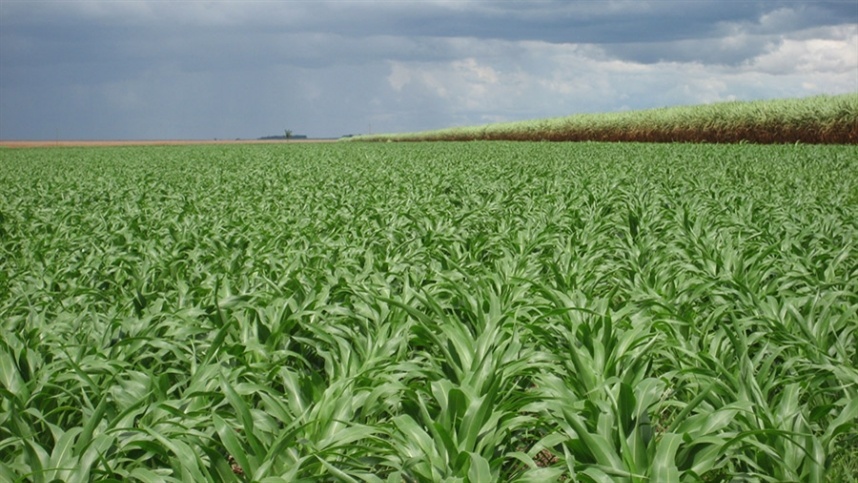
Among agricultural activities, soybeans showed the most significant growth in 2025. The Gross Production Value (VBP) of the crop jumped from R$ 41.8 million in 2024 to R$ 52.8 million in 2025, a growth of 26.3%, the largest percentage variation among the products in the state ranking. This advance reinforces the role of soybeans as the main driver of recent dynamism in Amapá's agriculture and indicates an expansion of scale and greater integration of the crop in the state.
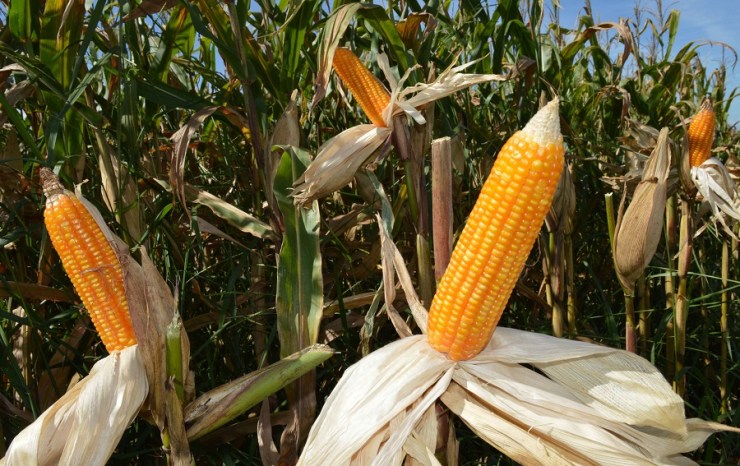
Corn, although still with a modest share in the total VBP (Value of Agricultural Production), also showed positive performance. The crop went from R$ 2.1 million to R$ 2.3 million, an increase of 9.5%, signaling stability with slight expansion, even starting from a small base. The result points to a gradual process of strengthening grain crops in the state.
Cassava and bananas form the basis of production.
Despite the leading role of soybeans in growth, Amapá's VBP (Value of Agricultural Production) remains supported by traditional crops. Cassava, the state's main product, increased from R$ 110.3 million to R$ 111.2 million (+0.8%) and maintained its leading position. Bananas, in second place, rose from R$ 60.6 million to R$ 61.0 million (+0.7%), reinforcing the stability of the local production base.
Occasional drops
In the ranking, oranges registered a significant decline, from R$ 7.2 million to R$ 5.3 million (-26.4%). Beans (-21.1%) and rice (-27.3%) also showed a decrease, while sugarcane remained stable at R$ 0.8 million. Despite the variations, these activities have a reduced weight in the total VBP and did not alter the state's aggregate result.
Recovery after setback in 2024
The historical series presented (2018–2025) shows a VBP (Value of Agricultural Production) that grows in the long term, but with fluctuations: after reaching R$ 242 million in 2023, the state fell to R$ 226 million in 2024 and returned to R$ 236 million in 2025.
This behavior reinforces the fact that, despite the gains in the last year, Amapá still depends on a few productive drivers and that specific advances, such as the surge in soybean production, have not yet translated into a change in its national ranking.