EN
EN  PT_BR
PT_BR 
The progress of the 2025/26 soybean crop has revealed a climatic scenario that increases the risk of End-of-Cycle Diseases (ECDs). Fluctuations in rainfall and temperature, associated with longer planting windows, have favored the spread of leaf spots such as septoria and anthracnose, in addition to increasing the presence of Asian soybean rust in the South, especially in regions with a history of pressure. In the Cerrado region, the greatest concern is for cercospora and target spot, which have been occurring more frequently since the last crop season.
These factors have led consulting firms and monitoring teams to record a significant increase in crop leaf spot (CFS) as the crop progresses to more advanced stages, from advanced vegetative phases to the beginning of the reproductive phase, depending on the region. The alternation between humid periods and warm nights, combined with the high inoculum pressure of diseases in the area, accelerates the development of leaf spots, reducing photosynthetic capacity and compromising grain filling, an effect intensified when there are short episodes of water stress.

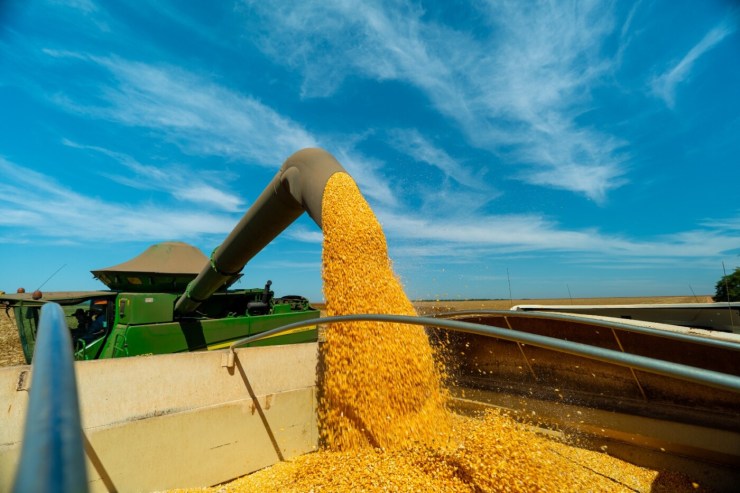
Photo: Fernando Dias/Ascom Seapi
In the South, the simultaneous occurrence of rust and cercospora has made management more complex. Early detection of rust in some regions, combined with the presence of cercospora, requires increased attention and constant technical monitoring. In this scenario, timing the first applications correctly and considering climatic conditions is fundamental to preserving productive potential.
In the Cerrado region, consultants point to an intensification of cercospora and target spot, especially in areas with initial water irregularity and extended plantings. The combination of high nighttime temperatures, alternating humidity, and the presence of inoculum from previous crop diseases favors the progression of these spots at the end of the cycle. In these situations, preserving leaf health is essential to maintain good crop performance.
Continuous monitoring

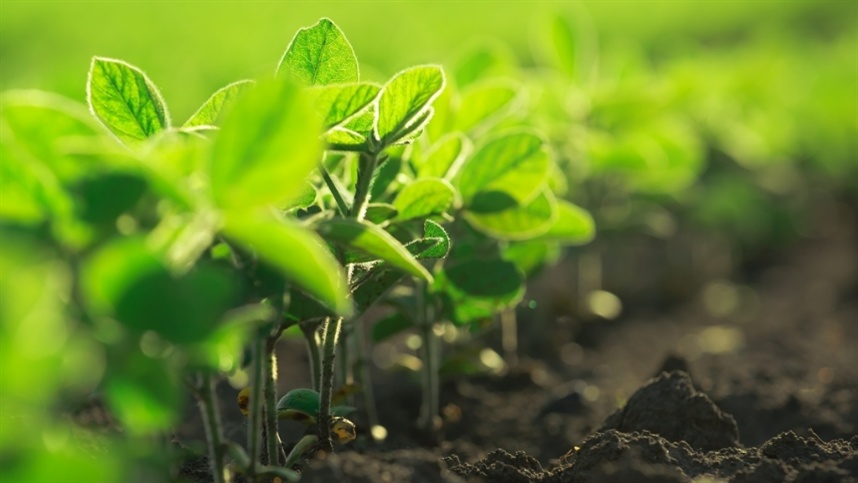
Photo: Disclosure/Embrapa
According to Marcelo Gimenes, PhD in Agronomy, the current dynamics reinforce the need for careful analysis of the particularities of each region. “This season, it's not just the presence of DFCs (Diseases from Crop Diseases) that is noteworthy, but the speed at which they have advanced towards the end of the cycle. The interaction between climate, operational calendar, and area history has made the behavior of the diseases more unpredictable. Therefore, frequent monitoring and well-founded technical decisions are essential,” he states.
The challenge intensifies when different diseases coexist in the same area, a situation observed both in the South and in the Cerrado. “In environments where multiple diseases exert pressure simultaneously, the plant loses its ability to maintain an active canopy for the necessary time. Therefore, management cannot be reactive: it is necessary to structure an assertive strategy based on the sanitary history and the productive potential of each plot,” explains Gimenes.