EN
EN  PT_BR
PT_BR 
Brazilian pig farming ended 2025 with performance exceeding initial projections and simultaneous growth in production, exports, domestic consumption, and profitability. This assessment comes from the president of the Brazilian Association of Pig Breeders (ABCS), Marcelo Lopes. “Before the year ended, it was already possible to affirm that 2025, compared to 2024, was a year of growth in all areas for the sector. After a prolonged crisis, the sector is consolidating a consistent recovery,” he said in an exclusive interview with the newspaper O Presente Rural.
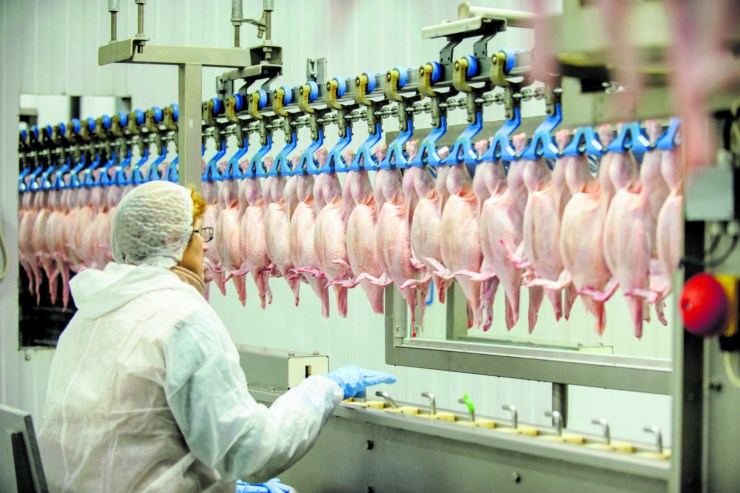
The numbers confirm the optimistic outlook. Between July and September 2025, Brazil slaughtered 15.8 million pigs, generating 1.488 million tons of carcasses. These volumes represent increases of 5.26% and 6.07%, respectively, compared to the same period in 2024, a rate more than twice that observed in the third quarter of 2024 compared to 2023.
In the accumulated period from January to September, the increase also surprised the sector. The country slaughtered just over 1.5 million additional head of cattle compared to the previous year, representing an increase of 3.43%, corresponding to almost 200,000 extra tons of carcasses.
Domestic consumption surpasses historic mark.
 The increase in production occurred in parallel with the rise in domestic consumption of pork. ABCS estimates that, by 2025, the country should surpass the 20 kg per capita per year mark, a level considered strategic for consolidating the protein as a daily choice for Brazilians. "It's a level of consumption that positions pork as a real and routine option on the consumer's table," stated Lopes.
The combination of stable producer prices, adjusted supply, and greater competitiveness compared to other proteins boosted the market throughout the year. The president emphasizes that, in 2026, the trend points to even greater room for growth, especially given the expectation of higher beef prices.
The increase in production, coupled with the strong pace of exports, did not prevent the expansion of domestic supply, and 2025 should end with growth exceeding 2% in the domestic availability of pork. "This slight oversupply certainly contributed to the stability in pork prices in most markets," Lopes assessed.
Exports are growing and diversifying.
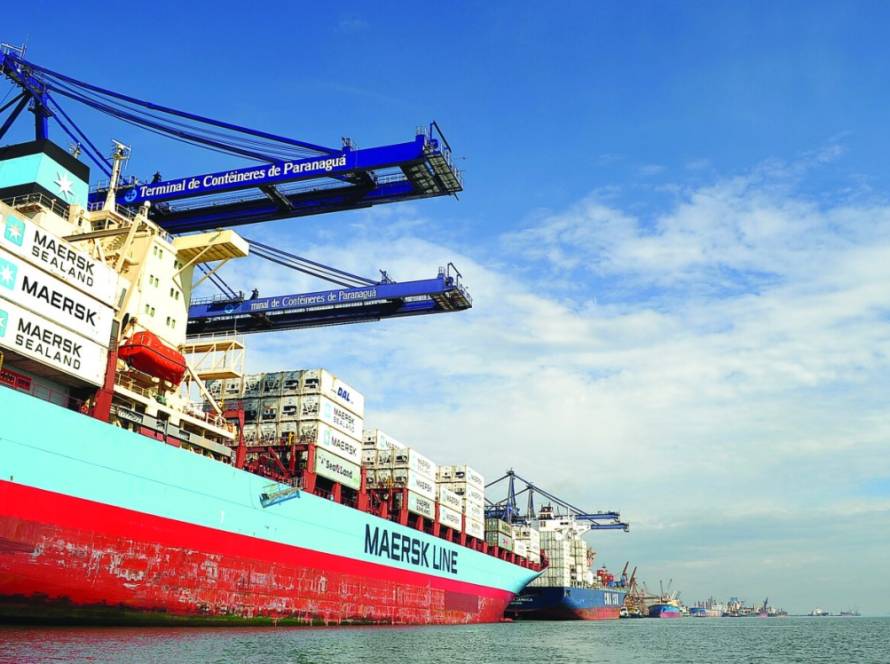
Exports were one of the pillars supporting the market in 2025. In addition to setting new records, the sector expanded the diversification of destinations, reducing dependence on China.
Following the record observed in September, October ended the year as the second-best month in history, with 125,600 tons of fresh pork exported, an increase of 8% compared to October 2024. From January to October, shipments totaled 1,110,636 million tons, an increase of 13,53% compared to the same period of the previous year.
The Philippines led purchases throughout 2025, followed by China, Chile, Japan, Hong Kong, Mexico, Singapore, Vietnam, Uruguay, and Argentina. “The Philippines consolidated its leadership, but important markets like Japan, Mexico, and Chile experienced significant growth. For 2026, we expect growth to remain concentrated in the Asian continent, with China's proportional share decreasing,” reported Lopes.
Adjusted supply and positive margins
 With production growth exceeding 4% and exports surpassing 14%, the sector managed to maintain a favorable balance between supply and demand throughout 2025. According to Lopes, this alignment was essential to sustaining producers' profitability. "The year was relatively well-balanced in terms of supply and demand, with a positive financial margin also due to the good supply of inputs," explained the president of ABCS.
According to him, the combination of more available meat, a heated domestic market, and strong exports favored the fluidity of the supply chain and the formation of prices compatible with costs. "The performance in 2025 consolidates a recovery cycle after years of strong economic pressure, opening up space for more favorable prospects in 2026, especially in domestic consumption and the expansion of Brazil's presence in the Asian market," he assessed.
Labor costs put pressure on producer margins.
Despite increased production and improved market flow, 2025 was not a year without challenges, especially regarding operational costs. Lopes explains that the main feed inputs (corn and soybean meal) performed favorably for producers throughout the year. "The main costs related to pig feed remained quite stable throughout the year, with soybean meal standing out, showing significantly lower prices compared to previous years, and corn, which returned to a more accessible level thanks to the record harvest," he analyzed.
According to him, the item that most strained the accounts of Brazilian farms was labor. "The difficulty in finding people interested in working in the sector increased costs and reinforced a known structural problem in the chain. Energy, animal health, and management also continued to make up a significant portion of expenses, but without major fluctuations throughout the year," he pointed out.
Southern Brazil registers consistent recovery in margins.

President of the Brazilian Association of Swine Breeders (ABCS), Marcelo Lopes: “We have a technologically advanced, competitive sector with enormous potential for expansion, but we need to act responsibly to maintain the positive cycle. Sustainable growth is that which respects market logic and guarantees longevity for the entire chain” – Photo: ABCS Press Release
Based on costs calculated by Embrapa and live pig prices collected by Cepea, full-cycle pig farming in the three southern states registered a significant recovery in profitability between January and October 2025. "Although costs increased compared to 2024, the upward trend in prices paid to producers was even more intense, resulting in wider margins and consistent improvement in all regions," Lopes pointed out.
In Paraná, the average cost rose from R$ 5.74/kg in 2024 to R$ 6.02/kg in 2025. During the same period, the selling price increased from R$ 7.39/kg to R$ 8.20/kg. This movement raised the profit margin from R$ 1.64/kg to R$ 2.19/kg, representing the largest absolute gain among the Southern states. "The result reflects the appreciation of live pigs in the regional and interstate markets," noted the president of ABCS.
The state of Rio Grande do Sul also registered significant progress. Costs increased from R$ 5.75/kg to R$ 6.29/kg, while the price rose from R$ 7.17/kg to R$ 8.17/kg. The average margin increased from R$ 1.41/kg to R$ 1.89/kg. “Even with pressure from input costs, producers in Rio Grande do Sul operated with positive results throughout the year, maintaining financial stability,” Lopes emphasized.
In Santa Catarina, the main national production and export hub, costs increased from R$ 5.90/kg to R$ 6.31/kg. The average price rose from R$ 7.22/kg to R$ 8.18/kg, increasing the margin from R$ 1.33/kg to R$ 1.87/kg. "External demand, which sustained much of the market's fluidity, played a decisive role in this performance," explained the executive.
The regional average for the South confirms the recovery trend. The cost, which was R$ 5.80/kg in 2024, reached R$ 6.21/kg in 2025, while the producer price increased from R$ 7.26/kg to R$ 8.19/kg. As a result, the average margin rose to R$ 1.98/kg, above the R$ 1.46/kg recorded in the previous year. In practice, the numbers show that the market dynamics in 2025, marked by firm prices, adjusted supply, and strong demand, consistently favored the producer.
Expensive credit and limited logistics
Despite the year's good performance, the competitiveness of the supply chain faces significant bottlenecks. For Lopes, the biggest obstacle currently is access to credit. "From the producer's point of view, the major bottleneck today is access to credit for investment and operating costs. With very high interest rates and limited amounts, the producer finds it extremely difficult to expand or improve their infrastructure," he analyzed.
Logistics also appears as a constant challenge. The concentration of production in the South contrasts with the location of most of the grain supply in the Midwest, increasing transportation costs. "Our rail network is much more geared towards serving exports than domestic demand, and there is also the growth of corn ethanol plants, which end up competing with logistical advantages for the grain," Lopes pointed out.
In the area of animal health, concern intensified in 2025. Biosecurity has gained importance in production strategies, especially in light of the uncontrolled outbreak of African Swine Fever in Europe.
Brazil is expected to take third place globally in exports.

Brazil's performance in the international market continues to rise. Although the final figures for 2025 have not yet been finalized, Lopes states that the country is expected to consolidate a historic advance. "It is very likely that Brazil, in 2025, will surpass Canada and assume third place in pork exports, behind only the United States and the European Union," he added.
The president emphasizes that, among major exporters, Brazil is expected to experience the greatest proportional growth in the international market throughout 2025. Cost competitiveness and product quality are sustaining this expansion, and the main limiting factor now is global demand. "What limits our expansion is greater external demand, as we have already managed to access the most demanding markets in terms of quality and safety," he explained.
International demands put pressure on investments.
With markets increasingly focused on traceability, sustainability, and animal welfare, the sector is expected to intensify adjustments in 2026. Lopes' assessment is that Brazilian pig farming will advance, but in a heterogeneous way. "There are production systems and companies that are quite advanced in traceability and certification, but there are also others with shortcomings in these areas," he stated.
Nevertheless, the director emphasizes that progress is continuous. "The entire Brazilian pig farming sector has evolved significantly in recent years, incorporating various concepts related to animal welfare, sustainability, and the circular economy, at varying speeds depending on the market they access or their level of technological sophistication and investment capacity," he mentions.
Projections for 2026
When projecting the performance of pig farming for 2026, Lopes emphasizes that the moment is positive, but requires prudence. He notes that the sector entered a sustainable recovery trajectory throughout 2025, but warns of the risk of excesses. "We need to be attentive so that an excessive increase in production does not cause a mismatch between supply and demand, which could generate a new crisis," he warned.
Despite improved profitability across all producing regions, Lopes emphasizes that the sector should avoid rapid expansion and prioritize structural investments. "It is crucial that producers leverage surplus funds to improve processes, increase productivity, and reinforce quality attributes demanded by consumer markets," he recommended.
Opportunities for the coming year remain concentrated in three areas: opening or expanding markets, product diversification, and adding value. Lopes believes that Brazil enters 2026 with a strengthened position in international trade and with potential for new specific demands, especially premium cuts, processed products, and items with sustainability and traceability attributes. “Domestic consumption can also contribute to gains, even if growth is gradual. The continued recovery of family income and the relative competitiveness of pork compared to beef tend to favor this movement,” Lopes estimated.
Moderate growth

ABCS estimates indicate that 2026 is likely to be a year of moderate growth, influenced by market conditions and cost evolution. The organization projects an expansion of up to 5% in production compared to 2025, a pace considered healthy and capable of preventing more significant imbalances between supply and demand. It also forecasts an increase of close to 3% in exports, supported by firmer international demand and the loss of competitiveness of the European Union, which faces rising costs, reduced production capacity, and regulatory hurdles. And in the domestic market, availability should increase slightly above 4%. "In isolation, this movement could put pressure on prices, but the dynamics of beef cattle farming tend to mitigate this impact," predicts Lopes.
The president of ABCS explains that the meat market scenario needs to be observed in an integrated way. “While the supply of pork tends to grow, cattle farming should undergo a cycle change, with a reduction in slaughter and a possible increase in the prices of finished cattle. This movement could sustain the price of pork in 2026,” he analyzes.
Production costs

The evolution of production costs, especially corn and soybean meal, remains uncertain. Initial indications point to a smaller corn harvest in the 2025/26 season, influenced by La Niña and the reduced capital of farmers after a cycle of compressed margins. Furthermore, the rapid growth of corn ethanol plants is increasing competition for the grain in the domestic market.
According to Lopes, this set of factors could put pressure on input prices throughout 2026. "Pig farmers should closely monitor the evolution of the Brazilian harvest and look for the best time to anticipate the purchase of inputs," he advises.
Brazilian pig farming ends 2025 renewed, more resilient, and with favorable prospects. However, progress in 2026 will depend on the sector's ability to balance growth, investment, and prudence. Increased international competitiveness, efficiency gains, and growing professionalization are factors that strengthen the country, but do not eliminate risks. “We have a technologically advanced, competitive sector with enormous potential for expansion, but we need to act responsibly to maintain the positive cycle. Sustainable growth is that which respects market logic and guarantees longevity for the entire chain,” Lopes emphasized.
THE Agribusiness Yearbook This document not only portrays the largest Gross Value of Production (GVP) in history, but also serves as an essential guide to understanding the paths and challenges facing Brazilian agribusiness in the short and medium term. Check out the digital version by clicking [here]. here.