EN
EN  PT_BR
PT_BR 
Corn prices continue their downward trend in the main producing regions monitored by the Center for Advanced Studies in Applied Economics (Cepea). According to researchers at the Center, this movement is explained by a set of factors acting simultaneously on the market, notably the increased supply at the beginning of the year and lower domestic demand.

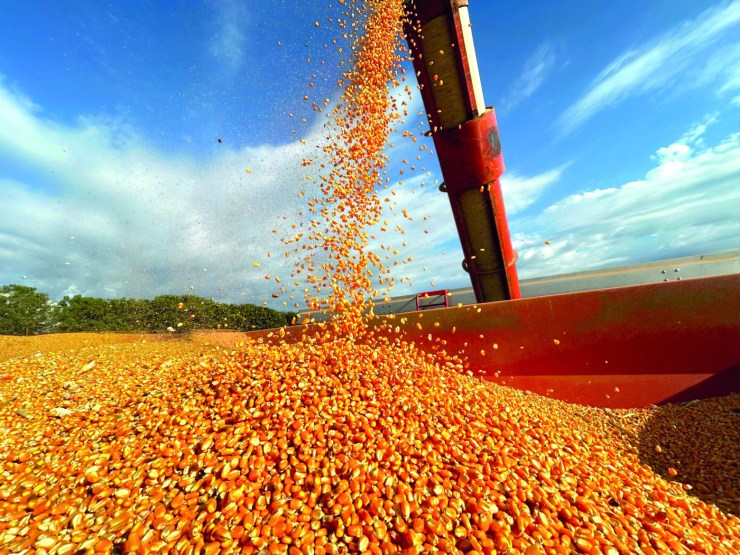
Photo: Albari Rosa
The availability of the grain is boosted by favorable weather conditions for crop development in Brazil and the progress of the summer harvest, especially in the South and Southeast regions. This scenario increases the volume of grains available in the physical market and reduces price support.
On the demand side, Cepea observes that buyers remain cautious. Many agents have prioritized using previously acquired lots, which limits new negotiations in the short term. Some of these consumers, in addition to having existing stocks, believe that the progress of the soybean harvest should increase the need for warehouse space, leading corn sellers to offer the product to free up capacity and bolster their cash flow.

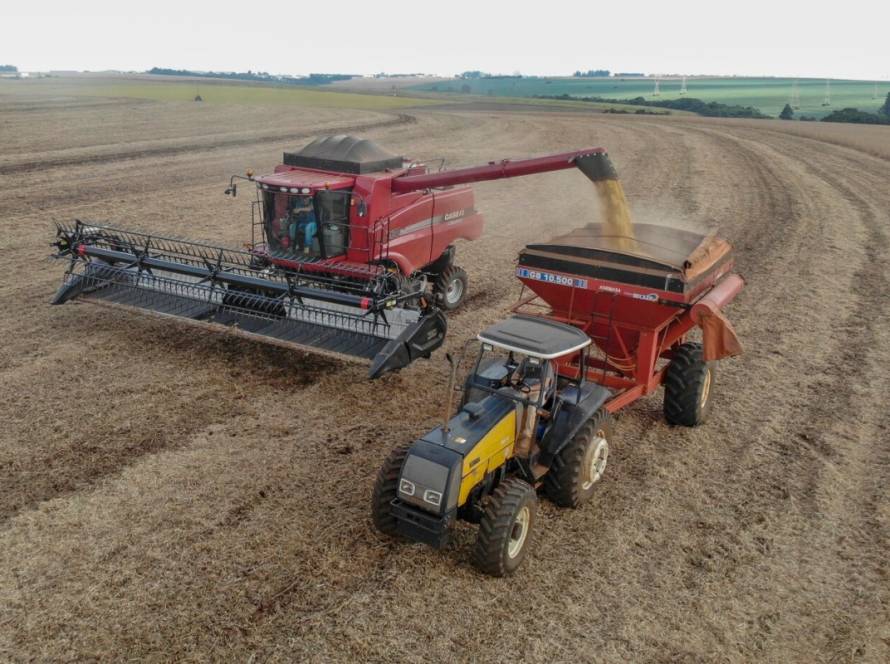
Photo: Albari Rosa
In the fields, the agricultural calendar is progressing on two fronts. While the summer crop harvest is gaining momentum in the South and Southeast, the planting of the second crop has already begun in some regions of the South and Midwest. This movement contributes to the perception of continued supply over the coming months, which also weighs on price expectations.
According to Cepea, the combination of increasing supply, reduced demand, and expectations of greater availability ahead keeps the market under pressure, with buyers more comfortable postponing purchases and sellers finding it difficult to sustain prices at the levels seen at the end of 2025.