EN
EN  PT_BR
PT_BR 
The intensification of tensions between Iran, Israel, and the United States is repositioning geopolitical risk on the radar of Brazilian agribusiness. Although there has been no formal interruption of contracts so far, the sector assesses that the impact could materialize through higher logistics costs, exchange rate volatility, and pressure on energy inputs.
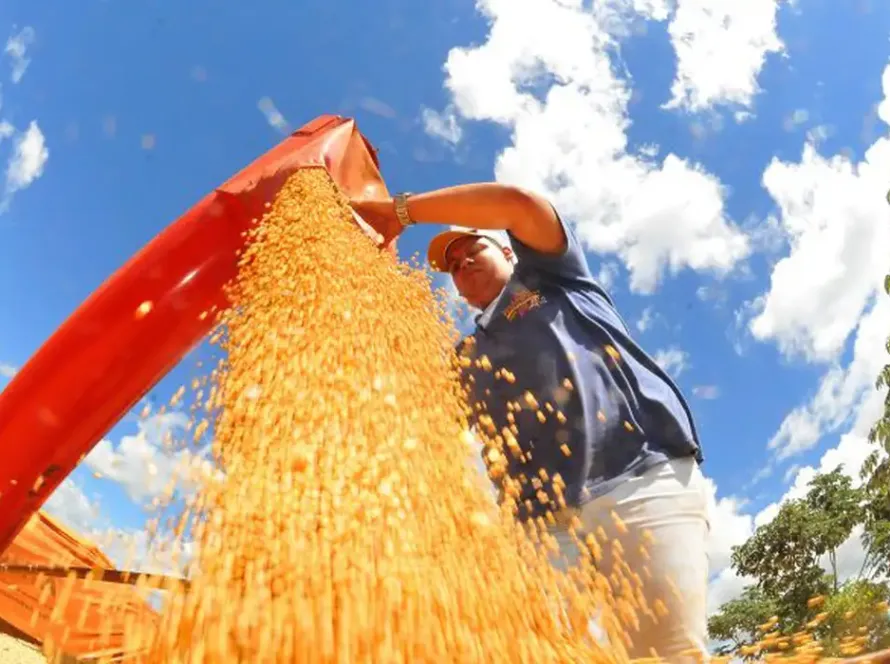
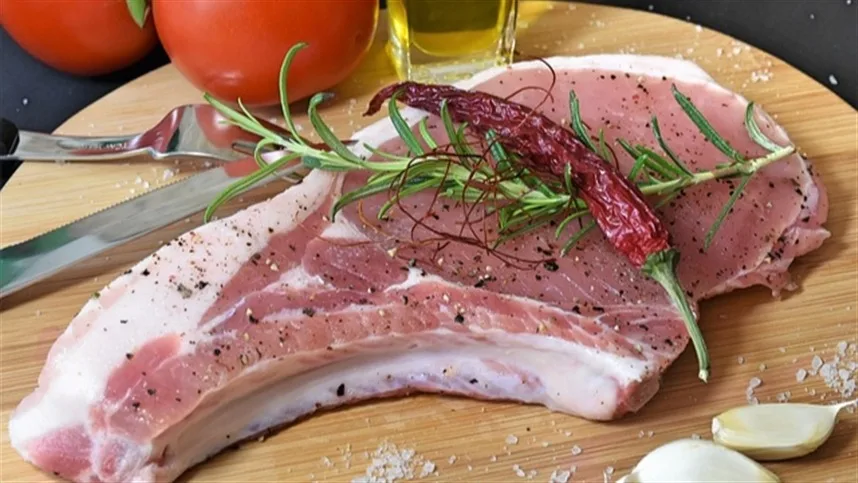
The Middle East is a significant destination for Brazil's agricultural exports. Data from the Ministry of Development, Industry, Trade and Services indicate that corn, sugar, and poultry meat are among the main products shipped to the region. Chicken meat and edible offal account for 14.51% of Brazilian exports to these markets, second only to corn and sugar.
Regional dependence on imports of animal protein keeps demand structurally active. The concern, according to industry representatives, is not in the absorption of the product, but in operational predictability.
Logistics at the heart of uncertainty

Photo: Claudio Neves
The focus is on strategic maritime corridors, such as the Strait of Hormuz and the Red Sea, through which a significant portion of global energy and goods trade passes. Any instability in these routes tends to increase maritime freight costs, raise insurance premiums, and lengthen delivery times.
In a statement, the Brazilian Association of Animal Protein (ABPA) said it is monitoring the evolving situation. "ABPA and its members are mapping and monitoring critical logistical points in the area affected by the conflict. At this time, the sector is analyzing alternative routes that have been used in other crisis situations in the region," the organization reported.
The association emphasizes that "there are no significant shipments of chicken meat to Iran," which reduces the risk of a direct impact on bilateral contracts with the country. The expected effect, therefore, is indirect and systemic.
Oil and freight as vectors of transmission
The region is a central piece in the global oil supply. In times of military escalation, the price of the commodity tends to react, influencing both the cost of bunker fuel, used by ships, and expenses related to land transportation and industrial production.

Photo: Ari Dias
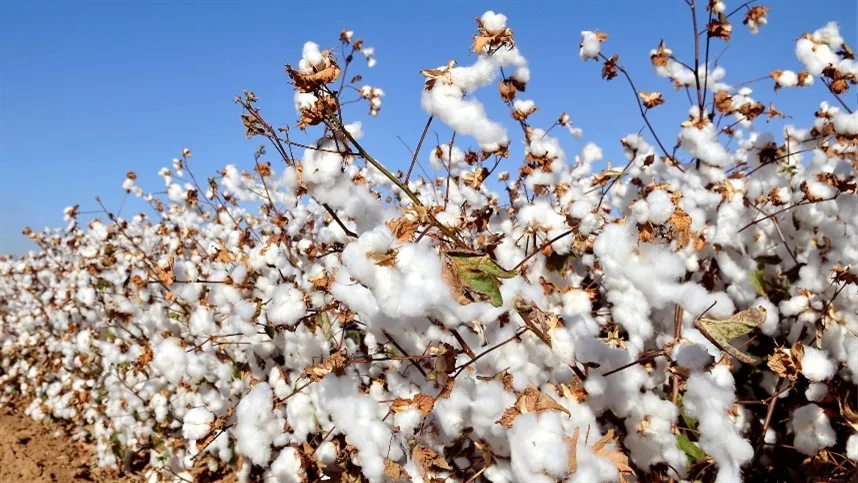
An analysis published by Farmnews indicates that the main transmission route of the crisis to Brazilian agriculture will likely occur through energy and fertilizers. "Geopolitical crises in the region do not necessarily reduce the demand for food, but they increase operational unpredictability," the study highlights.
For Brazilian chicken, which operates in an environment of strong international competition and tight margins, any increase in freight costs or logistical delays can compress results. The same reasoning applies to corn and sugar, which lead the regional export agenda.
In the short term, exporters are evaluating alternative routes and monitoring freight contracts. In the medium term, the trajectory of oil prices and the behavior of maritime transport should define the extent of the impacts on costs and competitiveness.
So far, trade continues without formal disruption. The point of concern is the cost of maintaining this flow in a high-risk environment.