EN
EN  PT_BR
PT_BR 
The continuous growth of agricultural production in Mato Grosso has consolidated the state as the country's main grain producer, but the pace of investment in storage infrastructure has not kept pace with the expansion of crops. The result is a structural imbalance that directly affects strategic infrastructure for food security, the profitability of rural producers, marketing, and increases operational costs.
According to the Mato Grosso Soybean and Corn Producers Association (Aprosoja MT), even with technological advancements and productivity gains, the insufficient static storage capacity for production keeps a significant portion of producers at the mercy of the harvest calendar and market conditions during periods of peak supply.
“In recent years, the storage deficit has worsened in the state. Currently, approximately 501 TP4T of production can be stored; the remainder needs to be quickly transported during the harvest season due to a lack of adequate infrastructure. Furthermore, high interest rates have made it difficult for producers to access credit, limiting the construction of new facilities to reduce this deficit. Importing markets are aware of this logistical bottleneck in Brazil, especially in Mato Grosso, and end up taking advantage of this situation. The need for rapid transport pressures producers to sell in a short period of time, which favors lower prices and directly impacts income in the field,” emphasized the president of Aprosoja Mato Grosso, Lucas Costa Beber.

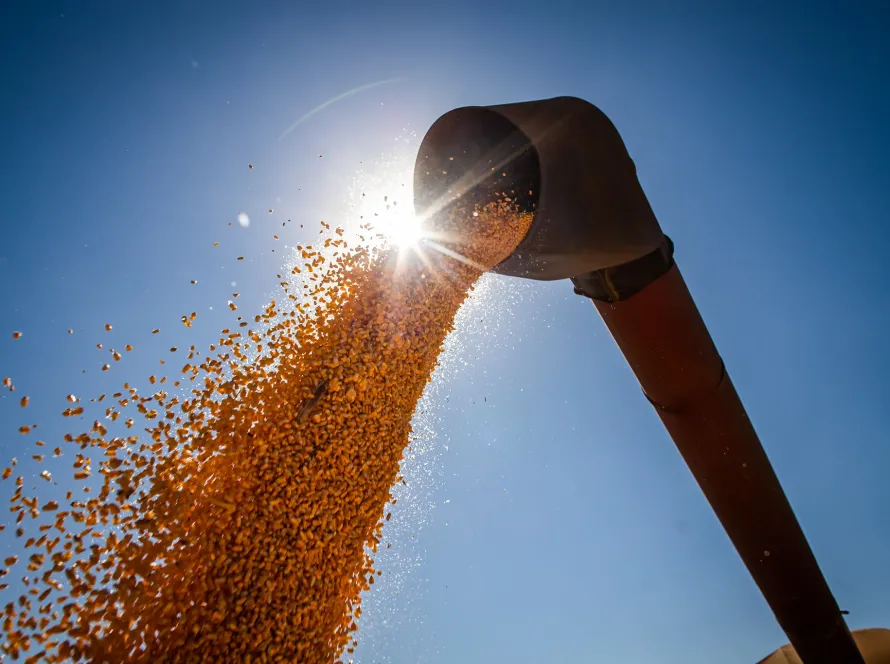
Photo: Fernando Frazão/Agência Brasil
Representatives from the production sector point out that the state cannot even store half of what it harvests, highlighting the scale of the bottleneck. According to the vice-president of Aprosoja MT, Luiz Pedro Bier, the problem intensifies in the most recently expanded agricultural regions, especially in the Araguaia Valley, where the infrastructure of silos and warehouses has not kept pace with the growth in production.
“The entire state of Mato Grosso, in general, is affected by the lack of storage. Producers suffer from queues and difficulties in delivering their product. And they suffer especially when the weather is rainier, like this year. There are some credit lines, such as FCO Armazenagem and PCA, available to producers. However, we constantly see a lack of resources in these lines,” he points out.
The economic impact of this deficit is not limited to logistics. Without their own storage capacity, producers lose autonomy over when to sell and are often forced to sell during harvest time, a period when prices tend to be more pressured by high supply. The absence of adequate infrastructure also reduces bargaining power with buyers and service providers, in addition to increasing dependence on third-party warehouses and trading companies.
Another point of concern is the lack of quality energy to supply the warehouses. “A warehouse needs to operate with a generator, and we have a cost problem with diesel fuel. The energy generated by the generator ends up being more expensive, which often hinders the viability of the warehouse. The electricity supply in Mato Grosso is precarious; many municipalities have poor quality energy, and other municipalities don't even have enough energy to expand new warehouses,” Bier points out.
In practice, the effects of this scenario are directly reflected in product quality and profit margins. Vinicius Baldo, a producer from the Água Boa region, reports that limited storage space compromises proper grain separation and reduces sales opportunities under more favorable conditions.

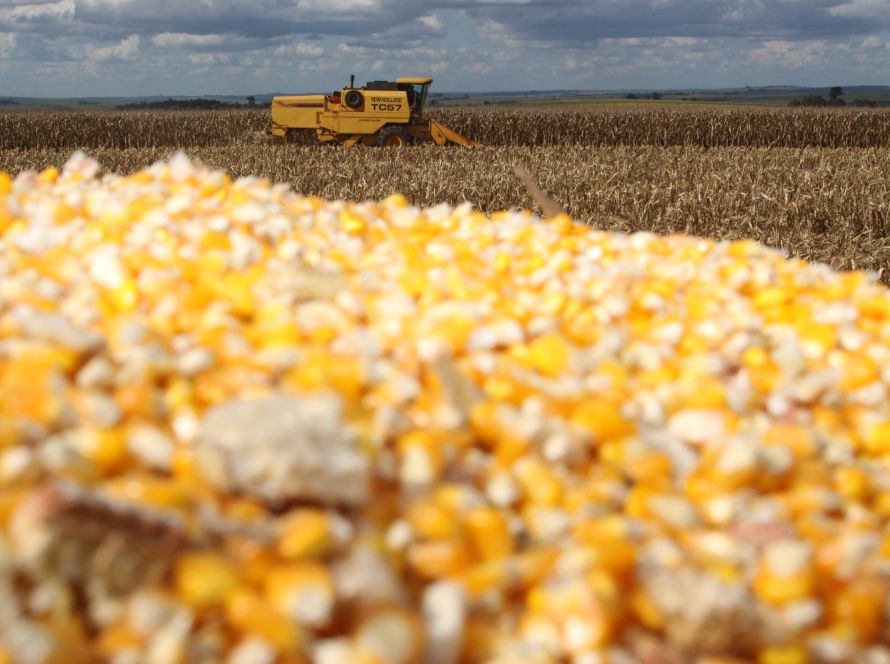
Photo: Jose Fernando Ogura
“The lack of storage has a significant impact, especially with the issue of damaged or burnt grain. We have a warehouse, but it's not enough, and we've already had to sell before the harvest season. If we had adequate storage capacity, this scenario would change considerably, as we could better plan sales and withdraw the soybeans with more time. The main difficulties in investing in infrastructure are limited access to credit and high interest rates,” comments the farmer.
Josenei Zemolin, a producer from the Gaúcha do Norte region, faces a similar situation, highlighting that the lack of infrastructure influences decisions even during the harvest. Without its own storage facility, the harvest must adhere to strict moisture parameters to avoid discounts applied by buyers, which limits operational flexibility and can result in additional losses.
“In a rainy year like this, whoever has this warehouse can start harvesting with very high moisture content, much earlier, harvesting much wetter. The cost you'll have to dry this soybean is just firewood and energy. So this has a significant impact because we lose a lot harvesting wet and delivering to the trading companies, because they discount more than normal. If there were sufficient storage capacity, we could plan better, for example, to make future sales to pay the costs, and what would be left over you could deliver in your own truck,” points out Josenei.
The challenge of expanding storage capacity involves a combination of structural and economic factors. Credit lines aimed at financing silos and warehouses exist, but the available resources are insufficient to meet demand, in addition to having unattractive interest rates and guarantee requirements that restrict access.

Photo: Roberto Dziura Jr.
For Aprosoja MT, the storage deficit represents a strategic obstacle to the development of state and national agribusiness. The organization advocates for the expansion of public policies and financial instruments that stimulate investments in infrastructure on farms, arguing that the capacity to store production strengthens the producer's market position, improves logistical efficiency, and contributes to the stability of supply.
Without this infrastructure, a significant portion of the harvest continues to be moved under time and cost pressures, with impacts extending from rural properties to the transportation and marketing system. In a state that leads national production, the ability to store one's own harvest has become increasingly essential for preserving income, reducing losses, and sustaining the growth of agribusiness.