EN
EN  PT_BR
PT_BR 
Mato Grosso is consolidating its position as the largest producer of corn ethanol in the country, with a production exceeding 5.6 billion liters in the 2024/25 harvest. The growth of this biofuel reinforces the importance of corn, which has ceased to be merely a second-crop culture and has come to occupy a strategic position in the state.
In the last harvest, total corn production reached 55.43 million tons, of which approximately 13.9 million tons were destined for ethanol production.
The growth of the corn ethanol industry has a direct impact on the economy of Mato Grosso. According to data from the State Finance Secretariat (Sefaz-MT), the sector generated more than 147,000 jobs and collected R$ 833.6 million in ICMS (Value Added Tax) in 2025.
According to Aprosoja MT, the industrialization of corn is one of the main drivers of regional economic development, adding value to production and boosting areas such as infrastructure, health, and education.
Ethanol and byproducts increase competitiveness.
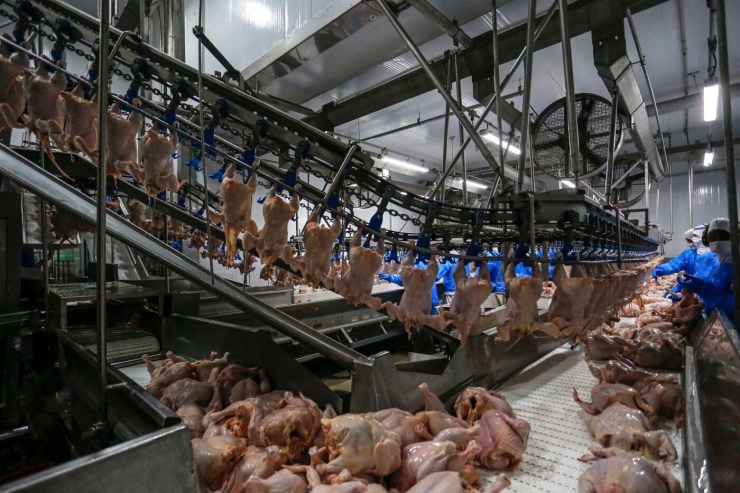
In addition to ethanol, corn processing generates important byproducts for the agro-industrial chain. In 2025, the mills produced:
2.2 billion liters of biodiesel
2.7 million tons of DDG (byproduct used in animal feed)
DDG, in particular, helps reduce costs in livestock farming, which can positively impact the final price of meat for the consumer.
The sector's growth is directly linked to industrial expansion in the state. Currently, Mato Grosso has 12 corn ethanol plants in operation, 10 units under construction, and 5 projects in the planning phase.
According to Imea, this growth should keep demand for the grain high in the coming years, encouraging increased production.
Greater security drives investment in the field.
With the presence of the processing plants, producers have gained greater predictability in the marketing of their corn. Proximity to the industry reduces logistical costs and guarantees a market throughout the year.
This scenario has encouraged the expansion of planted areas and increased investment in the crop, driven by a more favorable supply and demand relationship.
The ethanol supply chain drives various sectors.
Corn ethanol production extends beyond the field and the industry, driving a broad economic chain. From the cultivation of inputs to transportation and final consumption, the sector generates direct and indirect jobs at different stages.
This integration strengthens not only agribusiness, but also other segments of the regional economy.
Corn ethanol also stands out for its sustainable appeal, being a renewable alternative to fossil fuels.
Currently, more than 201% of the ethanol consumed in Brazil is already produced from corn, and the trend is for growth, driven by the global search for cleaner energy sources.
The growth of ethanol plants and the consolidation of domestic and international demand indicate that Mato Grosso should maintain its leadership in corn ethanol production in the coming years.
By combining agricultural productivity, industrialization, and sustainability, the state strengthens its position as a benchmark in the biofuel sector and expands its relevance on the national and international stage.