EN
EN  PT_BR
PT_BR 
The 2025/26 Brazilian corn harvest began with expectations of increased acreage and the maintenance of the country's leading role in the global market. However, the spread of pests and climate uncertainties are already raising concerns among producers and technicians, especially for the second crop, which accounts for the largest share of national production.
Brazil currently ranks third among the world's largest corn producers, accounting for approximately 10.61 TP4T of global production, with volumes exceeding 130 million tons per cycle. For this season, a survey by Agroconsult projects an increase of 2.71 TP4T in the cultivated area, which should reach 22.9 million hectares.

Agricultural engineer Douglas Leme: “Constant monitoring is essential to identify problems early and act more efficiently” – Photo: Personal archive
Despite the territorial expansion, the estimated production is 141.6 million tons, a result 6.21 times lower than the previous cycle. This scenario reflects the impact of irregular weather patterns in important producing regions.
The greatest concerns are focused on the second crop, especially in states like Goiás and Minas Gerais, where corn production is directly dependent on regular rainfall during crucial stages of crop development.
According to agricultural engineer Heloisa Melo, who holds a master's degree in Economics and is a specialist in Business Analytics, the weather patterns in the coming weeks will be crucial for productive potential. "We have already observed more challenging scenarios in states like Goiás and Minas Gerais, mainly due to their dependence on rainfall at crucial times. If this rainfall doesn't materialize, there could be more severe impacts on productivity," she states.
Irregular water supply occurs precisely at a time when the crop is most sensitive, increasing the risk of losses in grain filling and reducing productivity per hectare.
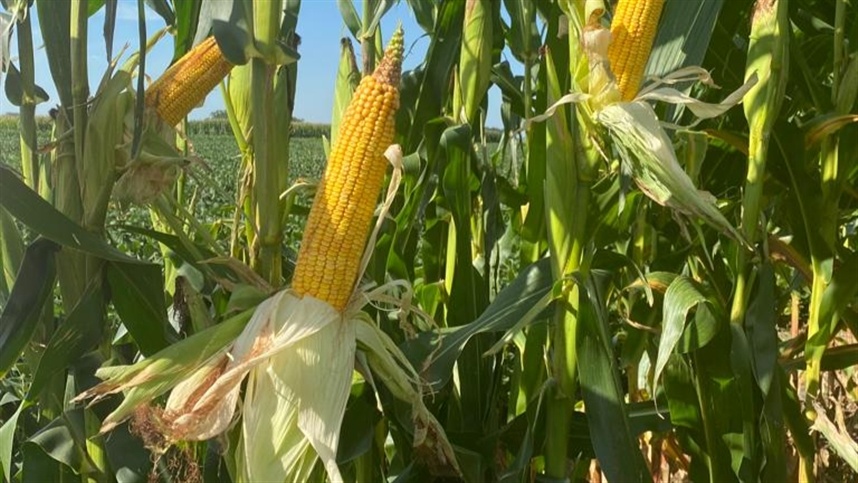
Leafhoppers and aphids increase the risk of crop losses.

Photo: Disclosure
In addition to the climate, the spread of pests is increasing pressure on management costs. Among the main problems faced by producers is the corn leafhopper, an insect associated with losses amounting to billions of dollars in the country.
Data from Embrapa indicates that the pest causes annual losses of approximately R$ 33.6 billion. Between 2020 and 2024, average losses reached 22.7% of national production, a volume equivalent to about 31.8 million tons per year.
The problem goes beyond the direct damage caused by the insect. The leafhopper acts as a vector for diseases related to stunting, compromising plant development and affecting grain formation.
Another growing threat is the corn aphid, present in several producing regions. By attacking young plants, the insect reduces vegetative vigor, weakens crop development, and can transmit viruses, such as mosaic virus.
Furthermore, it promotes the appearance of sooty mold, a fungus that reduces the plant's photosynthetic capacity and directly interferes with crop performance.
Given this scenario, constant monitoring has become one of the main tools for reducing losses. “The pressure from pests and diseases, coupled with climate variations, demands a more strategic approach from the producer. Constant monitoring is essential to identify problems early and act more efficiently,” says agricultural engineer Douglas Leme.
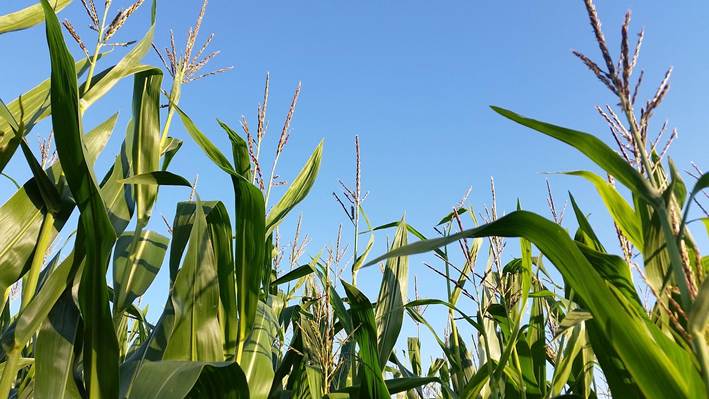
Technical management plays a significant role in crop profitability.

Photo: CNA
With increased sanitary and climatic pressure, crop management has ceased to be merely an operational step and has come to have a direct influence on crop profitability.
Among the main measures recommended by experts are soil analysis and correction, proper crop residue management, selection of hybrids adapted to regional conditions, and frequent crop monitoring.
Integrated management, combining chemical and biological control, seed treatment, and digital monitoring tools, is also gaining ground among producers.
Another strategic point is the rational use of inputs, with applications adjusted to the correct time and specific needs of the crop. “Well-executed management ceases to be just a good practice and becomes decisive for the harvest outcome. The combination of monitoring, proactive decisions, and efficient use of technologies is fundamental to avoid losses and sustain corn productivity in the country,” emphasizes Leme.