EN
EN  PT_BR
PT_BR 
The Brazilian mission in Beijing made progress in sanitary and trade negotiations between Brazil and China, with particular emphasis on the review of the protocol for exporting Brazilian pork to the Chinese market. The bilateral meeting took place on Tuesday (19), between the Minister of Agriculture and Livestock, André de Paula, and the Minister of the General Administration of Customs of China (GACC), Sun Meijun.
The meeting was part of the official agenda of the Brazilian delegation in China and focused on expanding bilateral agricultural trade, strengthening technical and sanitary cooperation, and advancing mechanisms to facilitate exchange between the two countries.

Photo: Beatriz Batalha/Map
During the meeting, the Brazilian minister reinforced Brazil's role as a strategic food supplier to the Chinese market. According to André de Paula, the country remains committed to offering products with rigorous sanitary and environmental standards, and he also highlighted China's importance in supplying essential inputs to Brazilian agricultural production.
From the Chinese side, Sun Meijun highlighted the growth of agri-food trade between the two countries and stated that Brazil occupies a central position in China's agricultural imports. According to the minister, in 2025 the Chinese imported US$$ 51.4 billion in Brazilian agricultural products, a value that represents approximately half of the total trade flow between the two nations.
The Chinese representative also highlighted that, despite robust domestic agricultural production, China remains open to the entry of foreign products considered strategic and of high quality. She further recalled the protocols and memoranda signed during the president's visits. Luiz Inácio Lula da Silva to China, including agreements focused on the export of poultry meat, peanut meal, corn ethanol derivatives, family farming, and agricultural mechanization.
Pork protocol advances

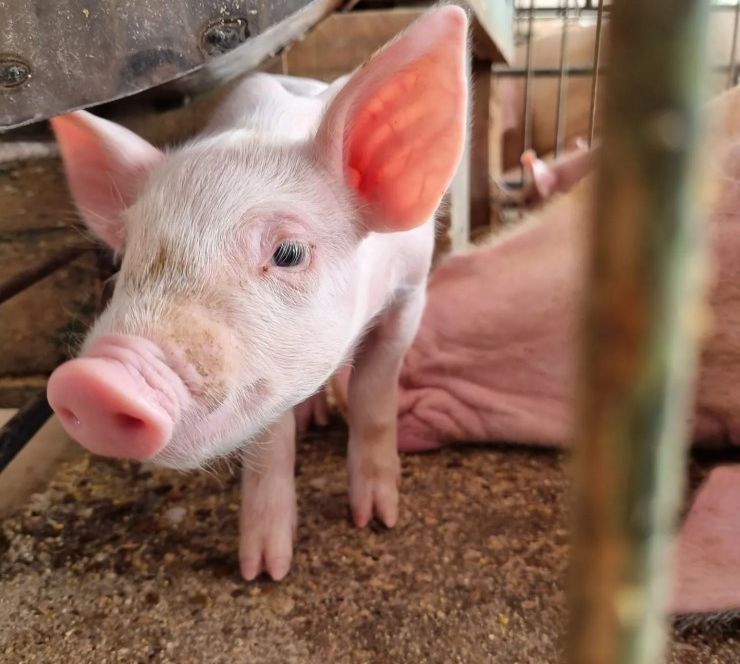
One of the main outcomes of the meeting was the technical progress in negotiations related to the export of Brazilian pork and pork by-products to the Chinese market. Brazil and China confirmed the revised terms of the sanitary protocol, which also includes pork offal.
The official formalization of the document will occur at a later stage. After signing, the Ministry of Agriculture will be able to guide meat processing plants and exporting companies on the technical adjustments necessary to comply with Chinese requirements, while the GACC will proceed with the internal procedures to enable trade.
At the end of the meeting, André de Paula described the progress as an important health and commercial achievement for both countries, highlighting that the understanding reflects the level of trust built between Brazilian and Chinese authorities in recent years.
Beef processing plants resume exports.

In addition to negotiations involving pork, the bilateral agenda also resulted in the announcement of the reopening of three Brazilian beef processing plants that had been suspended by the Chinese market.
Another point discussed was the implementation of electronic certification for meat products, scheduled to begin next month. This measure should streamline authorization and sanitary control processes in trade between countries.
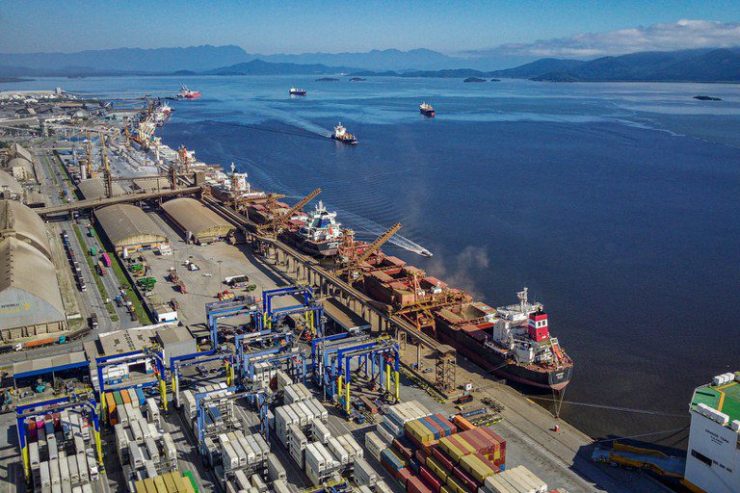
These advances reinforce China's position as the main destination for Brazilian agribusiness exports and expand sanitary cooperation between the two governments.