EN
EN  PT_BR
PT_BR 
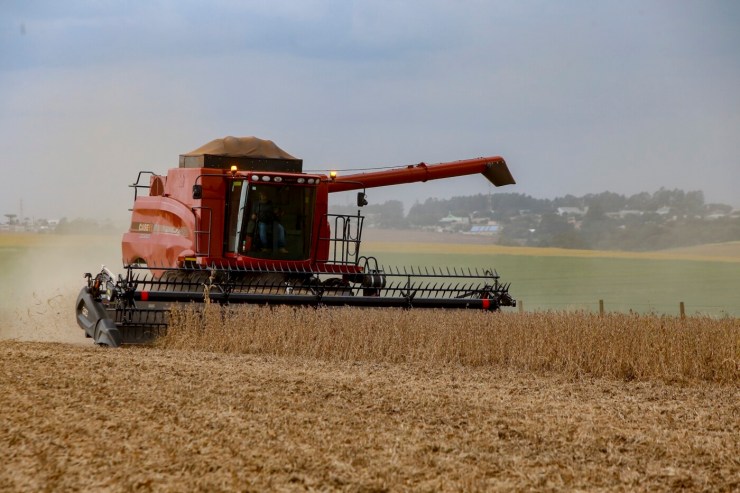
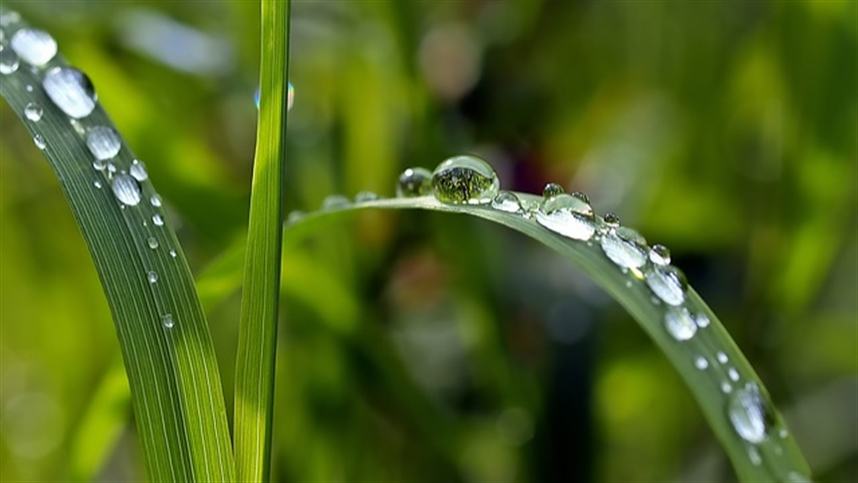
More regular rainfall in parts of the North, Northeast, and South regions of the country favored the development of Brazilian crops between May 1st and 21st. This information is available in... Agricultural Monitoring Bulletin Released by the National Supply Company (Conab), with analyses referring to the summer and winter crops of the 2025/26 harvest. In contrast, the predominance of dry weather in the center of the country, including areas of Matopiba, maintained water restrictions, mainly for the second corn crop sown later.

Photo: Disclosure/Pixabay
According to the survey, the highest rainfall volumes occurred in the northern part of the North Region, in the eastern part of the Northeast Region, and in part of the South Region. The increase in soil moisture favored the development of second-crop corn in Pará and Paraná, in addition to enabling the start of sowing beans and third-crop corn in areas of Sealba.
In Mato Grosso do Sul, parts of Mato Grosso, and São Paulo, rainfall combined with lower temperatures also contributed to maintaining soil moisture and the development of most crops.
The spectral data analyzed by the Company indicate satisfactory conditions in most regions.

Photo: Geraldo Bubniak
Producers. The vegetation index evolved in a manner similar to the previous harvest in most of the monitored areas, approaching or even exceeding the highest values recorded in the previous cycle in some locations. Mato Grosso do Sul and Paraná showed a recovery in the index due to the more regular rainfall throughout May.
For wheat, the report indicates good crop conditions in Paraná, favored by lower temperatures. In Mato Grosso do Sul and São Paulo, weather conditions remain positive for crop development. However, in Goiás and Minas Gerais, the situation remains critical due to water scarcity and high temperatures.
The complete bulletin, with maps, graphs, and detailed analyses on climate behavior and crop development in the country's main producing regions, is available. here.