EN
 PT_BR


The market of soy The data showed distinct trends among the main producing states, with advances in some ports, stability in parts of the export market, and occasional declines in the interior. According to TF Agroeconômica, Rio Grande do Sul stood out with the new estimate from Emater/RS-Ascar for the 2026/27 harvest, which forecasts 6.645 million hectares, a decrease of 0.92%, and production of 21.151 million tons, an increase of 15.32%.
In the state of Rio Grande do Sul, the port of Rio Grande reached R$ 160.00 per sack, while Não Me Toque and Nonoai rose to R$ 138.00. The projected recovery depends more on the weather than on the expansion of planted area, amid reports of flooded wheat and canola crops and concerns about the soybean planting window.
In Santa Catarina, the counter price remained stable, but the FOB reference price in Abelardo Luz reached R$ 157.00, a difference of up to R$ 18.50 compared to local prices. In Paraná, Paranaguá advanced to R$ 159.00, an increase of 0.28%, despite the fall in the dollar, while Castro retreated 1.32%, to R$ 149.00.
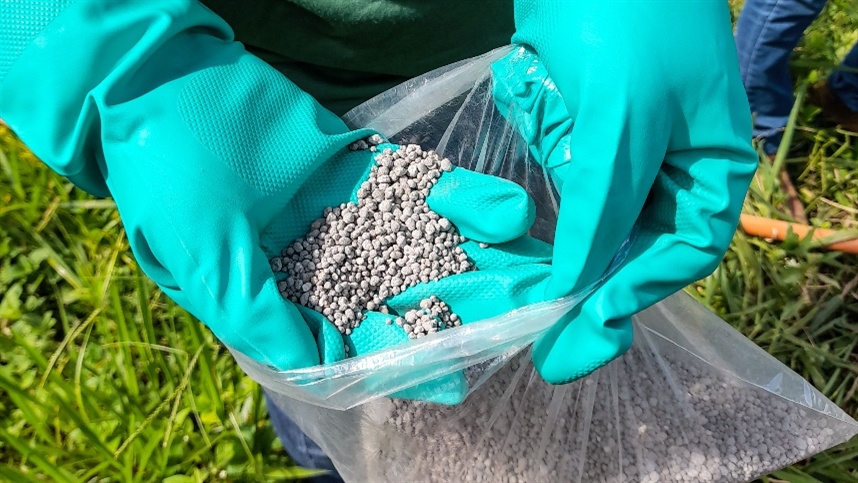
Mato Grosso do Sul experienced a weaker session, with declines in the main markets and attention focused on field preparation, silo saturation, and fertilizer costs. In Mato Grosso, the market was divided: Tangará da Serra rose 5.26%, to R$ 140.00, and Campo Novo do Parecis advanced 5.34%, to R$ 138.00, while other regions corrected previous highs. The end of the sanitary break on September 6th is not seen as an automatic signal for planting, given the need for regular rainfall and climate uncertainty. On social media, the focus remains on the weather, costs, and conditions for the start of the new harvest.