EN
EN  PT_BR
PT_BR 
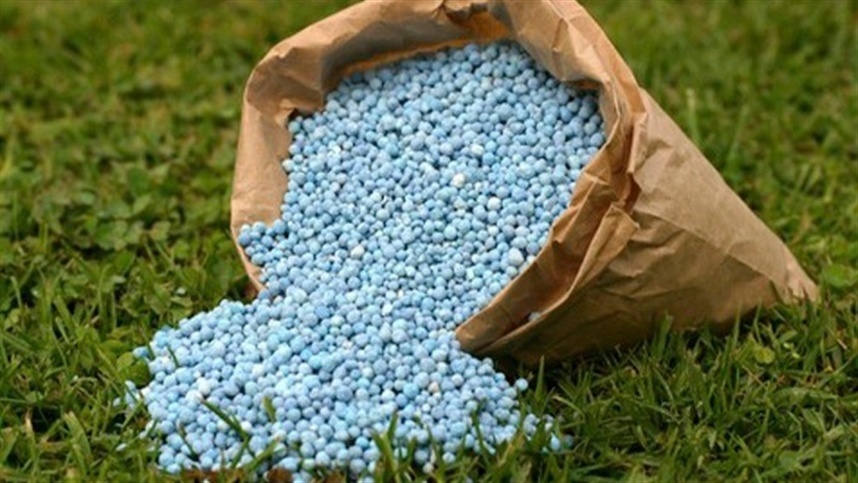
Planning for the 2027 second crop is beginning to gain attention in light of changes in the composition of input costs and uncertainties related to weather conditions. According to Jeferson Souza, a market intelligence analyst, the nominal expenditure on pesticides per hectare has decreased from the last crop to the current one, even in situations where there was an increase in the number of applications, indicating lower spending on these products.
In the case of seeds, spending did not show major changes, although the average is more attractive than that observed last year. Among the main components of the technological package, fertilizers continue to concentrate the largest share of resources allocated to inputs.
Data from Agrinvest Commodities on the composition of the corn package in Paraná shows that fertilizers represented 51% of the average cost of the last five harvests. In the 2024/25 season, the share was 49.9%, increased to 51.5% in 2025/26 and is expected to reach 56.5% in 2026/27.
During the same period, the share of seeds decreases from 25.3% in 2024/25 to 23.7% in 2025/26 and 22.3% in 2026/27. The share of pesticides decreases from 24.8% in the first two seasons to 21.2% in 2026/27.
The pressure from fertilizer prices is also reflected in quotations. Urea is in the range of US$$ 490 to US$$ 500 per ton CFR. At the ports, prices already exceed US$$ 550 per ton, while inland they surpass US$$ 600, depending on the location.
In MAPITO, sorghum is also gaining prominence in discussions. The El Niño scenario is leading producers to evaluate alternatives, primarily considering the planting window, yield potential, and investment level for the next season.