EN
 PT_BR

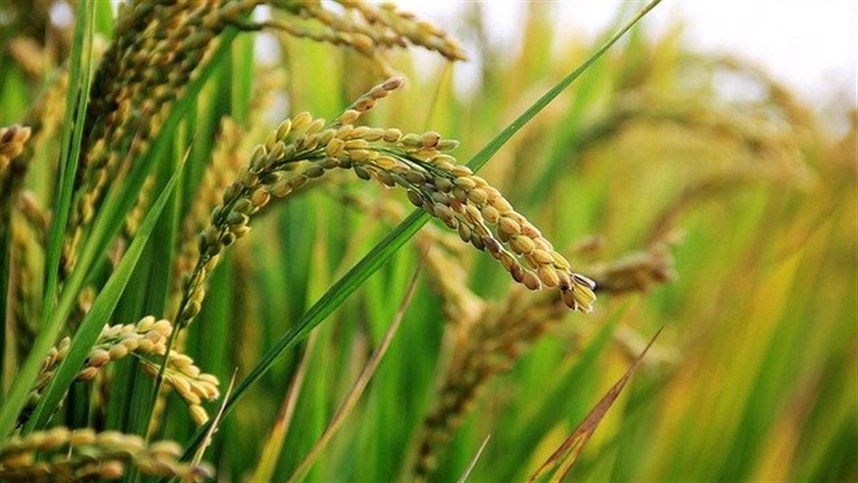
The thermal requirement of rice It directly influences crop development, from emergence to maturity. In subtropical climates, low temperatures between June and December can delay important stages, reduce tillering, and compromise grain filling, impacting productivity.
Rice is a warm-weather crop and needs adequate air and water temperatures to express its productive potential. When these levels fall below the necessary limits, development is delayed and problems such as poor germination, reduced tillering, malformed panicles, and flower sterility can occur.
Thermal requirement represents the amount of heat needed for a plant to complete a given phase or its entire cycle. This concept is usually expressed in degree-days (DD), calculated from a base temperature, below which development practically stops.
For many rice cultivars, the lower base temperature is around 10°C to 13°C. The optimal range for growth and development is approximately between 25°C and 32°C. Above limits close to 35°C to 38°C, development and productivity can also be impaired by thermal and water stress.
Throughout its life cycle, the plant accumulates degree-days to advance between different phases. When average temperatures remain low for several days, heat accumulation occurs more slowly, and the time required to complete each stage increases.
Lowland irrigated rice is sown, in most producing regions with humid subtropical climates, between the end of winter and spring, with the cycle extending into summer. During this period, the crop may still face incursions of cold air, mainly at the beginning of the season, between June and September, and, in some harvests, until October.
Crops sown too early may exhibit uneven emergence when the soil and water level are cold. Plant development may also be slow, with delays in leaf and tiller production.
When cold weather occurs close to floral differentiation or during anthesis, smaller panicles and failures in grain formation may occur. Conversely, longer-cycle crops may experience mild temperatures during grain filling, increasing the risk of reduced productivity.
During germination and emergence, very low temperatures in the water and soil reduce the rate of seedling development. This increases the period in which they are vulnerable to pathogens, birds, and insects.
Uneven emergence also results in plants of different sizes and ages in the same area, which makes water management, nitrogen fertilization, and weed control difficult.
During tillering, cold weather reduces leaf production and the formation of lateral shoots. With fewer tillers per plant, the number of productive stems per square meter decreases and, consequently, the potential for panicle formation is reduced.
During panicle differentiation, episodes of low temperature can delay the transition from the vegetative to the reproductive phase. In more severe situations, deformations or malformations of the panicles may also occur while still inside the leaf sheath, reducing the number of viable flowers.
Flowering is one of the phases most sensitive to cold. Low temperatures for several days can cause partial or total sterility of the flowers and increase the number of empty spikelets, known as "chochas".
With fewer filled grains per panicle, productivity is directly affected. The problem can be even greater when cold weather occurs during critical stages of reproductive development.
During grain filling and maturation, lower temperatures can delay development and extend the cycle until harvest. In some cases, the grain does not reach its maximum weight potential, reducing the mass yield.
Industrial quality problems can also occur, such as a higher proportion of immature or malformed grains.
The effects of unmet thermal requirements are also evident in crop management. A longer cycle increases the irrigation period, energy consumption, and other operational needs, and can make crop rotation planning more difficult.
Slow germination and seedling mortality can also reduce the effective plant stand. Reduced tillering decreases the number of reproductive stems per area, while cold weather during flowering can increase the number of sterile spikelets.
The result is lower and more variable productivity in harvests marked by cold spells during sensitive phases.
Producers cannot control weather conditions, but they can reduce risks by adjusting the production system to the region's thermal realities. In this context, planning the planting season is one of the main tools.
Sowing too early can place emergence and tillering in still intense cold conditions, delaying crop establishment. On the other hand, sowing too late can lead to flowering and grain filling occurring during periods of greater risk of temperature drops at the end of the cycle.
Defining the planting window should consider local historical temperature information and regional technical recommendations, aiming to concentrate the most sensitive phases in periods with lower thermal risk.
The choice of cultivar is also important. Irrigated rice varieties differ in cycle length and sensitivity to cold at certain stages.
In regions with a higher risk of low temperatures early in the growing cycle, choosing cultivars with better cold stability during the vegetative phase can reduce the impacts. When the risk is concentrated during flowering, materials less sensitive to low temperatures in the reproductive phase may show less loss.
The choice of cultivar should also take into account the management system, soil fertility, and the technological level of the property.
In irrigated rice, water can act as a thermal regulator for the crop. Maintaining a constant and adequate amount of water during periods of cold nights helps to reduce abrupt temperature variations near the soil and the root system.
In areas sown in moist soil, water ingress needs to be synchronized with plant emergence and temperature stabilization. The goal is to avoid prolonged exposure of seedlings to cold, waterlogged soil conditions.
Low temperatures also interfere with nutrient absorption by the roots, especially nitrogen, phosphorus, and potassium. Therefore, fertilizer management should consider thermal conditions and the stage of crop development.
Splitting nitrogen fertilization applications, with topdressing adjusted for periods of better temperature conditions and plant development, can improve nutrient uptake.
The availability of phosphorus in the soil is also affected by cold weather. Soils with adequate levels of this nutrient tend to favor initial establishment even when temperatures are below ideal conditions.
In practice, rice management should combine planting schedule, cultivar selection, irrigation, and nutrition according to the regional temperature pattern.
It is also important to avoid sowing in very cold and waterlogged soils, which can impair germination and promote seedling diseases.
Monitoring seasonal weather forecasts can help adjust the planting schedule within the recommended windows. However, sensitivity to cold varies between cultivars and also according to the stage of development.
Therefore, more specific recommendations regarding planting time, choice of materials, and management practices should be adjusted to regional conditions and include guidance from an agricultural engineer.