EN
 PT_BR

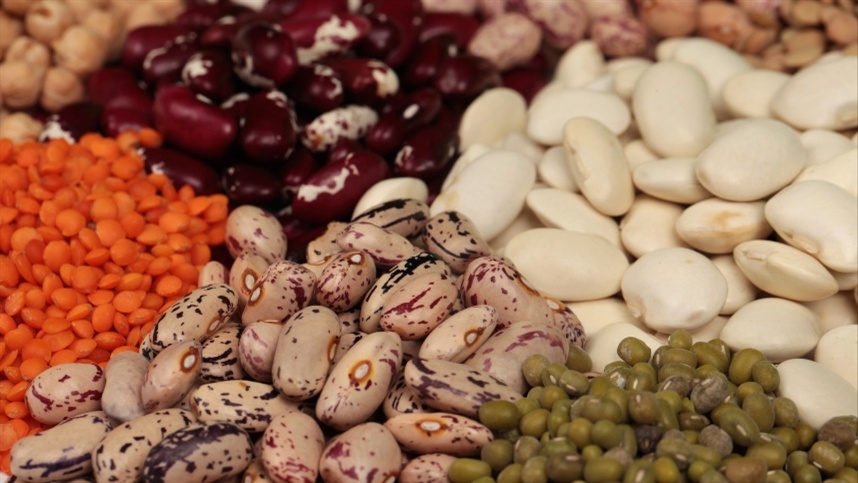
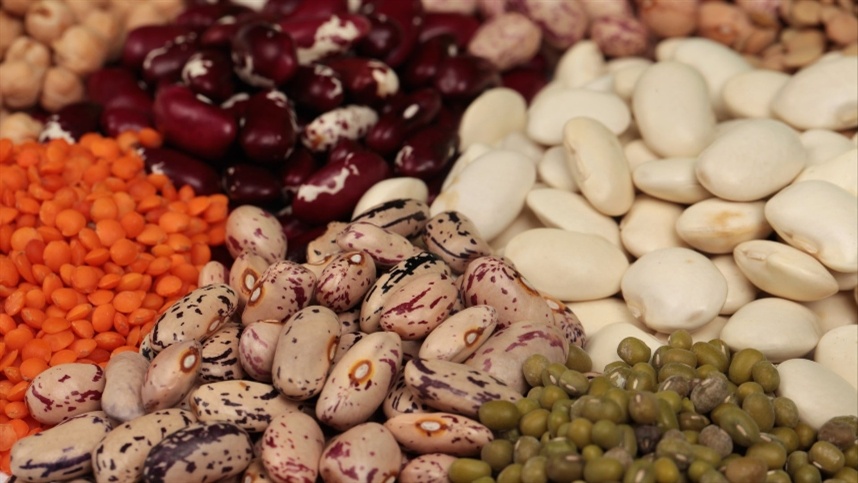
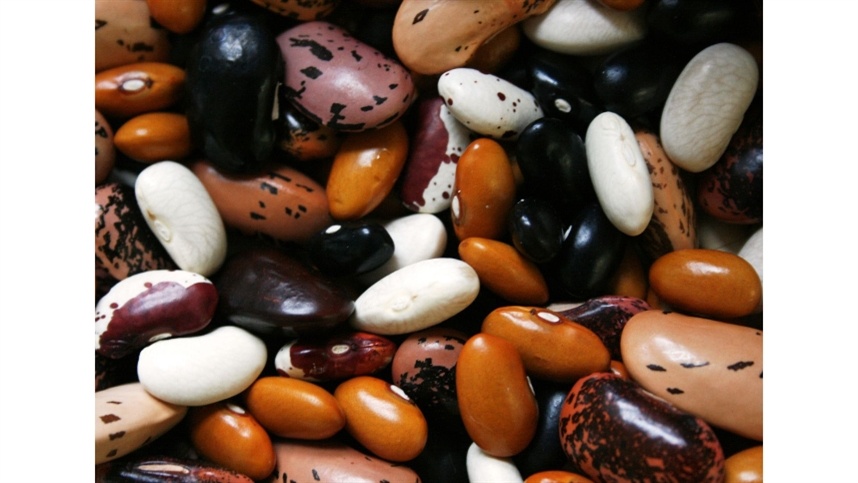
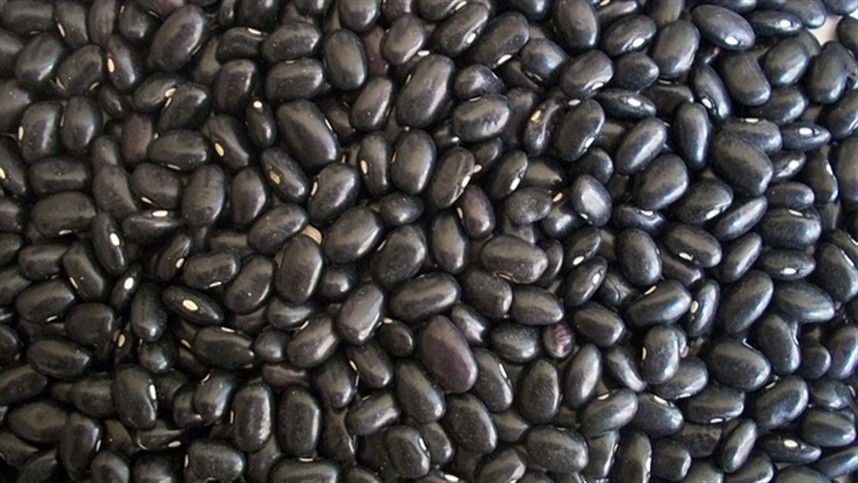
Post-harvest of bean Attention is required to avoid losses caused by storage pests, such as weevils and moths. Before resorting to InsecticidesThe producer must assess the conditions of the batch, the warehouse, the storage period, and the intended destination of the grains.
Chemical treatment should not be automatic after each harvest. This strategy is part of integrated pest management and should be adopted when monitoring indicates a risk or presence of infestation, always with technical guidance and respect for legislation, labels, product information leaflets, and agronomic prescriptions.
Among the main pests that attack stored beans are the weevils Zabrotes subfasciatus and Acanthoscelides obtectus. The larvae penetrate the grains and feed on the cotyledon tissue.
The attack causes weight loss and the formation of holes, as well as facilitating the entry of fungi. In the case of seeds, the damage can also compromise the physiological quality of the product.
Moths are also among the storage problems. The species Plodia interpunctella and others associated with stored products have larvae that feed on the surface of grains and residues.
In batches with a large amount of impurities or bran, the presence of food favors infestation. The larvae can form webs and clumps of dust and broken grains.
Temperature, humidity, and food availability directly influence pest development. Conditions between approximately 20°C and 32°C favor insect multiplication.
Closed, poorly ventilated environments with a constant supply of dry grains can harbor pests for several months.
Remnants from previous harvests also pose a risk. Dust, broken grains, and infested sacks can act as initial breeding grounds for new batches.
Therefore, a producer can have a good harvest and still register losses in the storage facility. Damaged grains, reduced weight, dust accumulation, loss of shine, and the presence of insects can compromise marketability.
The decision regarding the use of pest control products should consider the history of the storage facility. Structures with previous infestations, poor hygiene, and continuous use tend to present a higher risk of re-infestation.
The batch also needs to be evaluated upon arrival. Beans with high moisture content, impurities, broken or darkened grains present more favorable conditions for the development of pests and fungi.
Another factor is the expected storage time. Under suitable conditions, periods of a few weeks may not require chemical treatment. However, stocks kept for several months require greater attention to the growth of insect populations.
The intended use of the product also influences the decision. Beans destined for human consumption require attention to residues and maximum permitted limits. For seeds, some treatments and doses can affect germination and need to be specific to that purpose.
The application of any treatment should be preceded by monitoring. Visual inspections, specific traps, and evaluations of grain samples help to identify the presence of pests.
Live insects, new holes in the grains, increased fine dust, and the presence of webs are signs that require attention.
When the risk of infestation and economic damage is high, treatment may be considered. However, preventive measures such as cleaning, humidity control, and good storage practices need to be part of the strategy.
Prevention begins with harvesting at the right time. Reducing green, broken, and damaged grains helps decrease the batch's vulnerability to fungi and pests.
Drying should also bring the beans to a safe moisture content for storage. Typical values indicated in the technical literature are around 12% to 13% of moisture on a wet basis, but the producer should follow the technical recommendation and the results of moisture analyses.
Cleaning the product is another important step. Removing straw, clods, plant debris, and broken grains reduces the availability of substrate for moths and hinders the formation of infestation hotspots.
Before receiving a new batch, floors, corners, crevices, and edges need to be cleaned to remove grain and dust residue.
Old or infested bags should also be removed and disposed of properly. Cracks in walls and floors need to be repaired to reduce potential breeding grounds for insects.
In certain situations, the use of sanitizing or insecticidal products intended for structures may be indicated. In this case, it is necessary to follow technical guidance and applicable legislation.
Packaging also deserves attention. Clean sacks in good condition should be placed on pallets or platforms, keeping them away from the floor and walls.
The storage environment should be kept as cool and dry as possible, avoiding direct exposure of the bags to sunlight.
In larger structures, aeration systems can be evaluated to reduce hotspots and humidity when beans are stored in bulk.
Organizing the stacks also facilitates inspections and improves ventilation. Direct contact with damp walls should be avoided, as it can promote the growth of fungi and impair preservation.
Even with preventative measures, some situations may justify chemical treatment. One such situation is a history of recurring infestations in the warehouse, especially when there is a risk of re-infestation of new batches.
Prolonged storage also increases the possibility of pest population growth, especially in warmer climates.
Another situation is the detection of initial infestation during monitoring, identified by live insects, frequent captures in traps, or new holes in the grains.
Market demands can also influence the decision. Batches destined for markets with stricter standards may not tolerate the presence of live insects, even in small quantities.
In these situations, the strategy may involve treating the structure, the bags, or, when appropriate, specific seed treatment. The choice should be made by a qualified professional.
Any product used in the post-harvest of beans must be registered for the crop and for its intended purpose.
Use must be based on an agronomic prescription issued by an agricultural engineer and strictly follow the label and package insert instructions.
Safety intervals, personal protective equipment, and usage limitations must also be respected. For products intended for human consumption, it is necessary to observe the maximum residue limits established by law.
Failure to comply with these rules can pose risks to workers and consumers, as well as lead to legal problems and loss of markets.
Temperature control can reduce insect development. In milder conditions or in climate-controlled chambers, temperatures below the ideal range for pests help to decrease their populations.
Controlling relative humidity also helps preserve grains and reduce insect infestation.
Another strategy is inventory rotation, maintaining a "first in, first out" system. This reduces the time older batches remain in stock, where pests could multiply.
These measures should be integrated into a post-harvest integrated pest management program, with technical support.
The treatment adopted needs to take into account whether the beans will be destined for consumption, industry, or seed production.
In the case of human consumption, residue control is a central concern. For seeds, the choice of treatment should consider possible effects on germination and vigor.
Therefore, before deciding to apply the product, the producer must evaluate the warehouse history, the batch conditions, the storage period, and the monitoring results.
The recommendation is that all operations performed be recorded, including date, batch, and type of treatment. This procedure contributes to internal control and traceability.
This content is for informational purposes only and does not replace the assessment of an agricultural engineer under real field conditions.