EN
EN  PT_BR
PT_BR 
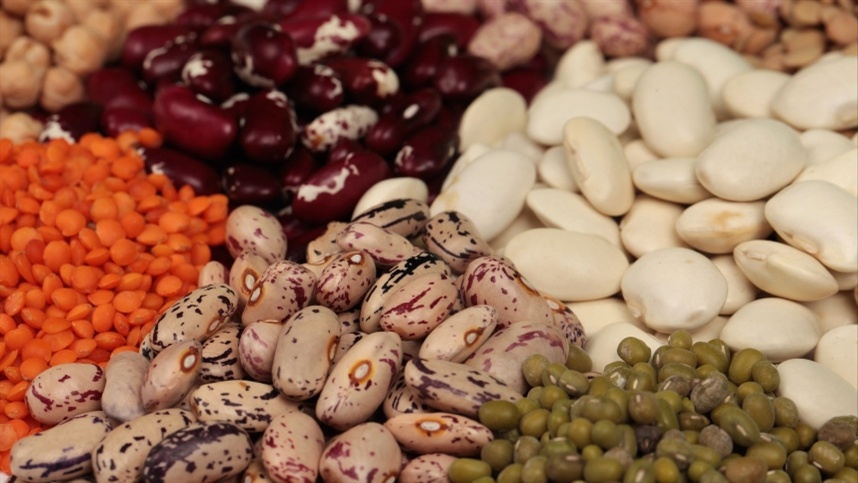
The quality of bean seeds is one of the main factors in ensuring uniform emergence, good stand establishment, and crop yield potential. Before purchasing, producers and technicians should verify aspects such as germination, vigor, physical purity, health, genetic identity, origin, and storage conditions of the batch.
The quality of bean seeds begins before sowing.
The choice of seed influences the entire production cycle, regardless of the planting season. A low-quality seed lot can cause stand failures, unevenness, the need for replanting, and increased vulnerability of plants to pests and diseases.
According to the technical information presented in the original material, good quality bean seeds should have high germination potential and vigor, high physical purity, genetic identity compatible with the chosen cultivar, and good sanitary conditions. Furthermore, production, processing, and storage must comply with technical standards and current legislation for seeds. The investment in seeds represents only a portion of the crop costs, but an inadequate choice can compromise other resources applied to production.
Germination and vigor of bean seeds
Germination refers to the percentage of seeds capable of producing normal seedlings under standard laboratory conditions. Official tests are conducted by accredited laboratories, and legislation establishes minimum standards for different seed categories.
When comparing seed lots, the producer should observe the test date and the validity of the analysis. More recent evaluations tend to better reflect the current condition of the seeds, especially when they have been stored for extended periods.
High germination rates, however, do not guarantee uniform emergence in the field on their own. Temperature, soil moisture, sowing depth, and the quality of the operation also affect crop establishment. Therefore, vigor is another important indicator. High-vigor seeds have a greater capacity to emerge quickly and form strong, uniform seedlings even in the face of moderate variations in environmental conditions.
Vigor is not necessarily listed on all commercial labels. However, the producer can request additional information from the supplier regarding tests performed on the batch, such as accelerated aging and cold tests.
Physical purity should be factored into the batch evaluation.
Physical purity indicates the proportion of seeds of the species and cultivar declared on the label in relation to the material present in the batch. Low values may indicate excess soil, pod remnants, broken seeds, materials from other crops, or seeds of other species, including weeds.
In a visual inspection, the producer should be wary of batches with obvious color mixing, foreign materials, or damaged seeds. The technical recommendation presented in the material is to prioritize batches with high purity and within the legal standards established for the category.
Healthy bean seeds reduce the risk of disease.
The seed can also carry pathogens capable of compromising the establishment of the bean plant. Fungi, bacteria, and viruses can be present on the surface or internally in the seed tissues. When infected, seeds can favor the occurrence of problems from emergence onwards, including seedling death, damping-off, and root rot.
They can also contribute to the subsequent spread of diseases by wind, rain, or insects. In the case of viral diseases, infected plants may exhibit mosaic symptoms and compromise productive performance.
Therefore, the material recommends acquiring seeds from known sources with a history of phytosanitary care. When possible, it is also advisable to request health reports issued by specialized laboratories. The visual presence of spots, wrinkling, abnormal odor, or signs of mold should be considered a warning sign during the batch evaluation.
Genetic identity influences cultivar selection.
The quality of bean seeds also depends on ensuring that the batch corresponds to the cultivar indicated by the supplier. The producer must check the cultivar name on the label and verify if its characteristics are compatible with the production system. Among the points to consider are grain type, cycle, growth habit, management requirements, tolerances to diseases, and adaptation to growing conditions. The choice should also be made in conjunction with the sowing season. As beans can be grown at different times of the year, it is necessary to consider temperature, rainfall patterns, and the availability of irrigation or rainfed cultivation.
The label contains essential information about the seed.
Brazilian legislation establishes information that must be included on the label of certified or inspected seeds. Among the data that need to be verified are the species, cultivar, seed category, batch number, date and validity of the analysis, as well as the physical purity and germination indices.
The label should also include information related to the seed producer, such as the company or cooperative and registration number, according to the category and production system. This verification allows for tracking the material and comparing different batches before purchase.
Origin and storage deserve attention.
The origin of the seed lot is directly related to the security of the purchase. Technical guidelines recommend prioritizing qualified and registered seed producers with adequate processing and storage facilities. Traceability is also important because it allows identification of the seed's origin, including information related to the harvest, region, and production field.
At the retail outlet or warehouse, the producer must observe the storage conditions. Excessive heat, humidity, direct sunlight, and the presence of pests can compromise the quality of the material even before sowing. It is also advisable to avoid seeds stored for long periods under unknown conditions, even when the batch showed good germination rates at the time of analysis.
Visual assessment helps identify problems.
Before purchasing, a simple inspection can reveal signs of problems in the batch. The producer can observe the uniformity of size and color, the presence of breaks, cracks, and mechanical damage.
The amount of impurities, the presence of live insects, perforations characteristic of weevils, and possible signs of mold or overheating should also be checked. A germination test performed by the producer can serve as a complementary indicator, but it does not replace official analyses. In case of doubt, the technical guidance is to refer to the official batch information and seek the assistance of an agricultural engineer.
Planning your purchase avoids last-minute choices.
Seed procurement planning should consider crop schedules, including rainy season crops, second-crop crops, irrigated crops, and other regionally used planting windows. It is also necessary to assess how long the seed will be stored between purchase and sowing. The longer this period, the greater the need for adequate storage conditions to avoid losses in germination and vigor. Advance purchasing allows for comparison of batches, evaluation of label information, and seeking certified seed suppliers. This strategy also reduces the risk of emergency acquisition of unsuitable cultivars or inferior quality materials.
Bean seed quality impacts crop yield.
Low-quality seed can cause stand failures and increase the need for replanting. Uneven areas also leave the soil more exposed to competition with weeds. Weaker plants may have less competitive ability and greater susceptibility to pests and diseases. Uneven maturation can also hinder harvest planning and increase losses.
Therefore, the evaluation of the batch should consider the set of physical, physiological, genetic, and sanitary characteristics, and not just the purchase price.
The original material emphasizes that the purchase should be made paying attention to the origin, the information on the label, the results of the analyses, and the suitability of the cultivar to the reality of the property.
The final recommendation is to seek guidance from an agricultural engineer to interpret the analysis results and define the seed utilization strategy, especially when planting occurs under more limiting climatic conditions.
Note regarding sources: the submitted material presents technical references to the topic, but does not individually link each piece of information to a specific source. To respect the rule of not fabricating attributions, I have not associated specific statements with authors or institutions that were not explicitly mentioned in the original content.