EN
 PT_BR


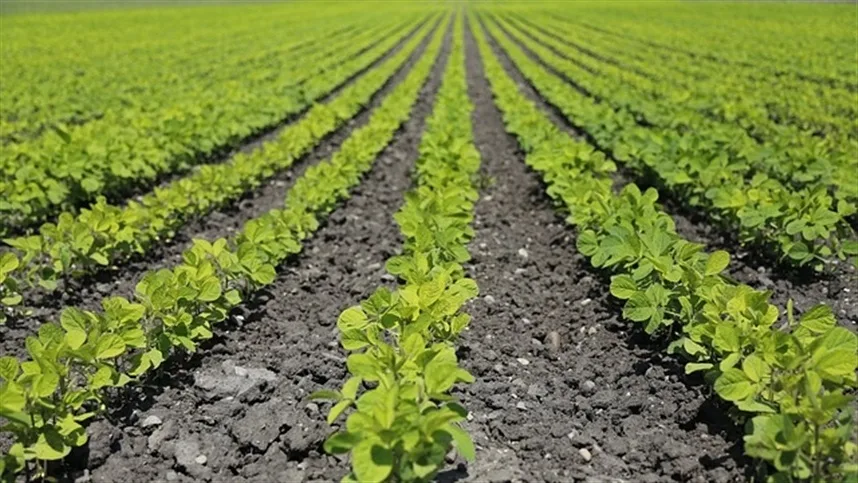
Planting soy Soybean planting is progressing above the historical average in Brazil, while oilseed prices remain under pressure in the physical market. As of October 16, planting had reached 30.11 TP4T of the planned area, exceeding the average of 26.41 TP4T for the period. This movement occurs amidst expectations of a 181.6 million ton harvest in 2026/27, according to projections from the National Supply Company (Conab) presented in the weekly bulletin of the International Center for Economic Analysis and Agricultural Market Studies (CEEMA).
Conab's estimate considers the cultivation of 49.3 million hectares throughout the country, with an average productivity of 61.4 sacks per hectare. The projected volume depends on normal weather conditions throughout the production cycle, a decisive factor for confirming the expected results. The initial progress of sowing, in turn, indicates that fieldwork was ahead of the average pace recorded in previous seasons.
In Rio Grande do Sul, production is projected to recover after the climatic problems faced in the last harvest. The cultivated area should reach 6.74 million hectares, with an estimated harvest of 20.2 million tons. In the previous season, the state produced 18.6 million tons. Despite the expectation of growth, the average productivity in Rio Grande do Sul is projected at 50 sacks per hectare, below the national estimate.
While planting progresses, the Brazilian physical market is registering further price losses. According to CEEMA, the devaluation was accompanied by a decline in the dollar, which reached R$ 5.02 at certain points during the week. The exchange rate movement contributed to weakening domestic prices, in a period also marked by pressure on international commodity benchmarks.
In the main producing regions of Rio Grande do Sul, soybeans were quoted at R$ 135.00 per sack. This was the value recorded in Nonoai and Não-Me-Toque, according to a survey compiled by CEEMA. The weekly average of prices received by producers in Rio Grande do Sul, calculated by Emater, was R$ 138.00 per sack, demonstrating differences between regional references and the state indicator.
In other producing regions, prices also varied. In Paraná, the sack was traded at R$134.00 in Pato Branco and R$131.00 in Marechal Cândido Rondon. In Maracaju, Mato Grosso do Sul, the price reached R$139.00, while Rio Verde, Goiás, registered R$132.00. In Campo Novo do Parecis, Mato Grosso, the reference price was R$134.00, the same value observed in Luís Eduardo Magalhães, Bahia.
In foreign trade, soybean derivatives showed a different performance from the physical grain market. In the first 11 working days of October, the daily average of Brazilian soybean meal exports increased by 2.61 TP4T compared to October 2025. The average price of the shipped product also registered an increase, standing 25.21 TP4T higher than that observed in the same period last year.
The combination of higher projected production and weakened prices places soybean marketing among the main points of attention for the sector. Although the progress of planting represents a favorable indicator for the agricultural calendar, the expectation of a large harvest occurs in an environment of pressured prices, which increases the importance of the commercial conditions faced by producers.
Over the next few months, weather trends will be crucial in determining whether Brazilian production will be able to meet Conab's estimates.