EN
EN  PT_BR
PT_BR 
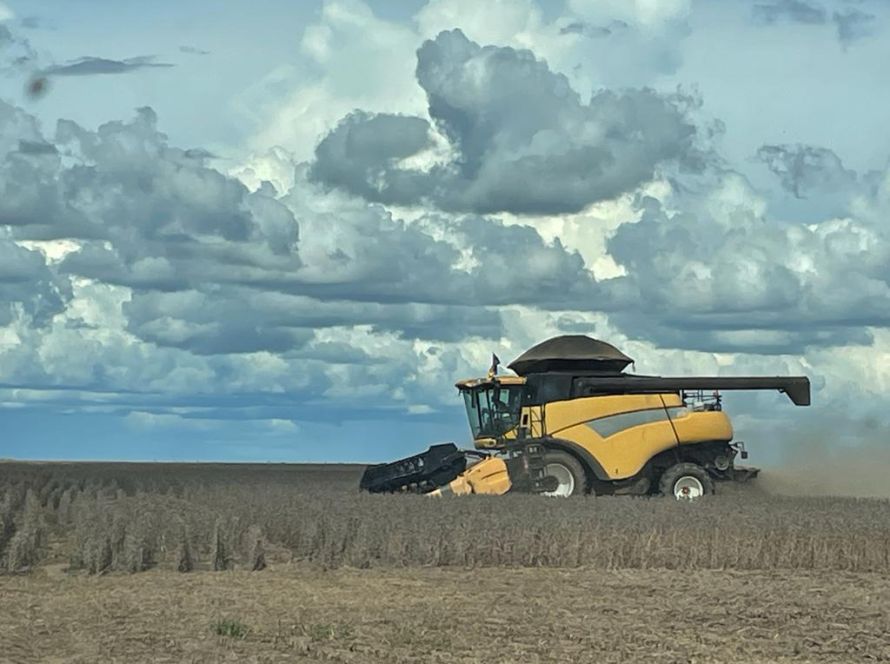
The Fourth Season of Mato Grosso Climate and Market arrived this Tuesday (November 25th) in the Tangará da Serra and Campo Novo do Parecis regions. In the sixth episode, the Mato Grosso Soybean and Corn Producers Association (Aprosoja MT) followed the progress of the 2025/26 harvest in two more regions of the state, marked by delayed rainfall at the beginning of planting.
In Tangará da Serra, producer Geraldo Cesar Preto explained that planting only progressed after the second half of October, when rainfall returned more regularly. According to him, no-till farming helped reduce the impacts of the initial drought in some areas.
“Our planting began in the second half of October due to the rains that occurred at the end of September, but which were soon interrupted. From the moment we started planting, it was continuous, without interruptions due to lack of rainfall. Some producers here in the region who planted at the end of September noticed that the crops suffered a little, but with no-till planting, corn and brachiaria, due to the amount of organic matter, the areas overcame this difficult start,” said the producer, reinforcing that sustainable practices have been contributing to production.
Regarding the current state of the crops, Geraldo states that development has been positive. “Now the rains are helping, although not in large quantities. The expectation, for now, is for good productivity. We haven't had many reports of problems with applications; we are controlling weeds and have started fungicide applications. The harvest expectation will depend on whether the weather continues to cooperate,” he stated.
In Campo Novo do Parecis, the coordinating delegate of the center, Clarete Brolio, spoke with producer Alessio Martelli about the planting conditions in the region.
“We had variations within the municipality, but overall they were in isolated areas where we had little rain. Most of the planting started with plenty of moisture; many planted 50 hectares of the % area, and when we had a break in rainfall, we had to wait to finish the entire area. We ourselves started planting on September 18th, which was the scheduled date, and finished on October 15th, within the planned timeframe,” said Martelli.
The producer believes that crop development has generated good expectations for the harvest, but notes that logistical issues can present challenges during the harvest period, especially for those who do not have their own infrastructure.
“The city’s warehouses are practically the same as when I arrived here. Production has grown, thanks to technology and increased productivity per hectare, but storage capacity hasn’t kept pace with this progress. Some farms have even had expansions, but it’s still not enough. For those who don’t have their own warehouses, the situation will be more difficult this year, because the soybean harvest is expected to come in two stages. Without space to store on the property, many producers may face difficulties,” he adds.
The coordinating delegate from Campo Novo do Parecis reinforced the importance of the Mato Grosso Climate and Market program for producers. “I consider the Mato Grosso Climate and Market program a very important initiative for us producers. It's a way to monitor the reality of other regions and truly understand what's happening in the field. And Aprosoja MT shows the truth; it not only defends the sector but presents reality as it is,” said Clarete Brolio.
With the sixth episode, Aprosoja MT continues to show how the climate has affected each microregion of the state differently. This Wednesday (November 26th), the series visits the Sapezal, Campos de Júlio and Comodoro regions.