EN
EN  PT_BR
PT_BR 
This Tuesday (14) is celebrated as National Livestock Day. The sector is fundamental to maintaining Brazilian agribusiness in the spotlight on the national and international stage, thanks to the productivity, quality and dedication of producers. Part of this growth also comes from the adoption of more sustainable practices and initiatives to reduce environmental impact. “Brazilian livestock farming is a pillar of agribusiness and stands out worldwide for its productivity and quality. Our commitment is to strengthen sustainable practices, promote animal welfare and reduce environmental impact, ensuring that the sector's growth is solid, responsible and internationally recognized,” highlights the Minister of Agriculture and Livestock, Carlos Fávaro.

Photo: Shutterstock
The Ministry of Agriculture and Livestock (MAPA) works to promote effective sanitary programs recognized by the World Organisation for Animal Health (WHO) for animal welfare, which is an essential part of the growth of Brazilian livestock farming. In addition to promoting actions that encourage the use of integrated systems with enormous carbon sequestration capacity, it promotes soil health and increased animal welfare, as well as encouraging exports.
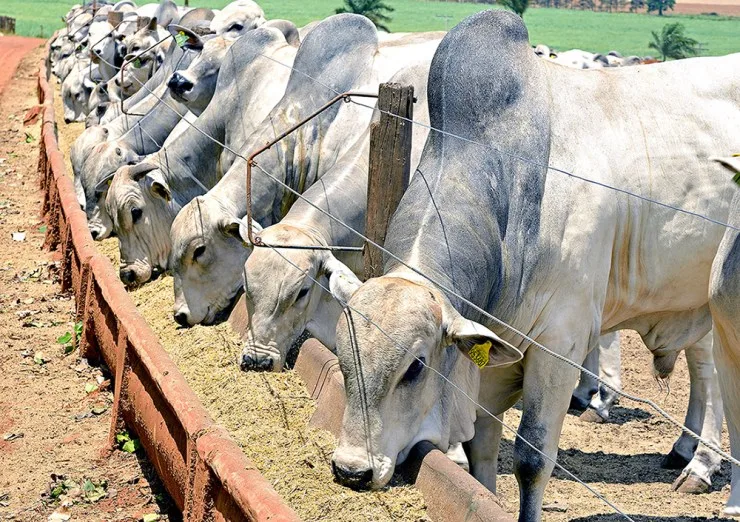
According to the National Supply Company (Conab), beef production reached a historical record in 2024, exceeding 11 million tons carcass equivalent, driven by slaughter. In 2025, data from the Brazilian Institute of Geography and Statistics (IBGE) show that in the second quarter, cattle slaughter grew by 3.91%, reaching 10.46 million head of cattle.
Chicken production has already surpassed the same period in July 2024, even in the face of the avian influenza outbreak in Brazil in May of this year. And according to IBGE (Brazilian Institute of Geography and Statistics), slaughtering increased by 1.11% compared to the previous year, the best historical series for a second quarter.
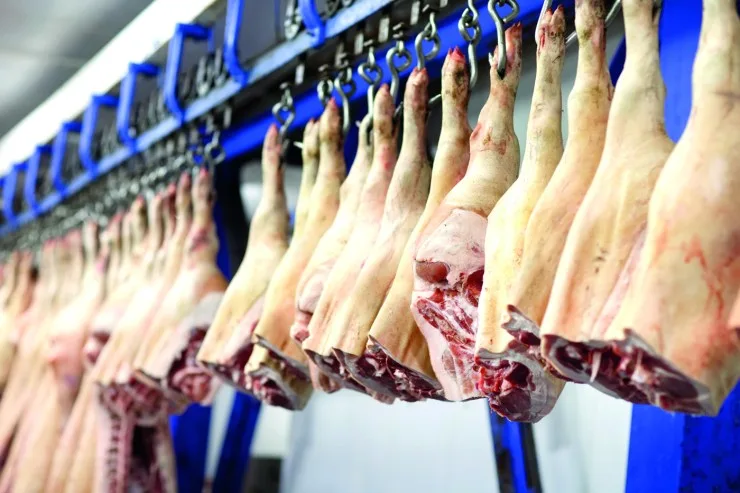
And pork production has been gradually increasing in the country. According to Conab, the expected pork production for 2026 is 3.6%, driven by export growth and an increase in the domestic market.
Programs
To ensure this growth happens sustainably, the Ministry of Agriculture created programs such as the Adaptation and Low Carbon Emission Plan.

Photo: Shutterstock
Agriculture (ABC+ Plan) lists several technologies capable of reconciling production and environmental balance. For livestock farming, the main actions aim at pasture recovery, the use of biodigesters, and intensive finishing that foresees the slaughter of animals before 24 months of age. The goal of the ABC+ Plan is to have 5 million more animals slaughtered before 24 months of age, thus reducing the carbon footprint of national livestock farming through the efficiency of production systems.
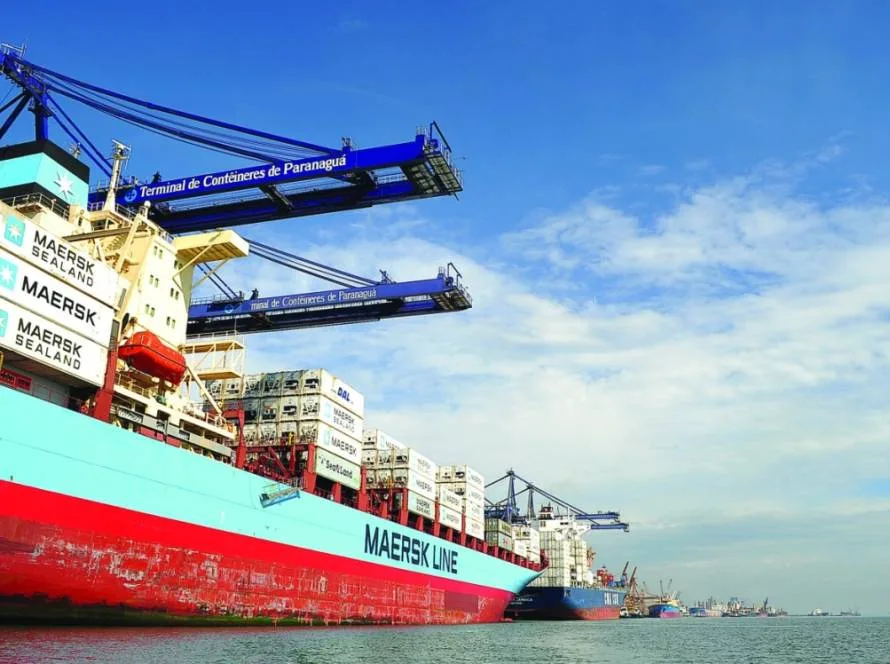
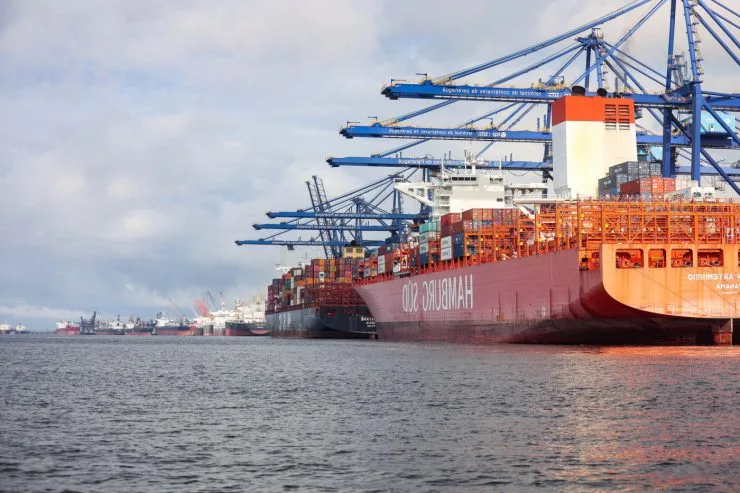
Actions to promote and grow the production chain, combined with the work of agricultural defense, guarantee Brazil's ranking as the world's largest meat exporter. In 2024, more than US$26.1 billion was exported. And up to September of this year, US$22.5 billion was exported.
According to trade balance data produced by Mapa, there was an increase of more than 55% in the export of fresh beef, with US$1.77 billion, and fresh pork reached a historical mark of US$346.1 million, an increase of 28.6%.