EN
EN  PT_BR
PT_BR 
The corn market is experiencing a period of contrasts between international optimism and domestic caution. While prices on the Chicago Board of Trade (CBOT) reacted strongly in September, driven by weather fears and strong demand in the United States, Brazil is seeing more restrained movements, amid the appreciation of the real and the slow pace of crop marketing.
According to Itaú BBA's Agro Consulting, the price of corn in Chicago rose 7% in September compared to August, reaching US$4.12 per bushel. "The increase reflects the impact of the dry and hot weather recorded in August, which raised the risk of yield losses in American crops. This concern was confirmed with the progress of the harvest, albeit in a limited way, reinforcing the upward trend," emphasize the Itaú BBA analysts.

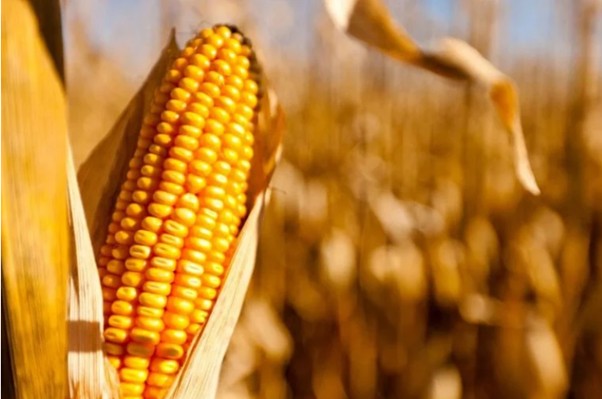
Photo: Disclosure/OPR Archive
In addition to the weather factor, domestic demand for corn in the United States, especially for ethanol production, remained strong, helping to support prices. External demand also remains consistent, providing additional support to international prices.
In Brazil, prices followed the upward trend observed abroad. In Campinas (SP), corn rose 1.5%, quoted at R$ 64.80 per sack. In Sorriso (MT), the increase was 4%, reaching R$ 46.50 per sack. Even with the gain, the domestic market remains cautious. "Producers are still holding back sales, with only 55% of the 2024/25 crop sold so far, below the average of 60% of the last five years," highlights Itaú BBA's Agro Consultancy.
Planting progresses in Brazil
While prices struggle to find support, the planting of the first corn crop is progressing positively in the South of the country. According to Conab, more than 301,000 tons of the projected area has already been sown, with Paraná, Santa Catarina, and Rio Grande do Sul standing out. Weather conditions have favored crop development, a relief for producers in the region.
North American harvest
In the United States, the situation is relatively stable after weeks of uncertainty. The USDA released quarterly corn stocks figures at the end of September, showing 38.9 million tons, above market expectations of 33.9 million tons. Although this volume is lower than that recorded in the same month of the previous year (44.8 million tons), the figure released was higher than estimated in the September WASDE report, indicating a possible upward revision of the supply and demand balance for the American crop.

The USDA raised its estimate for US corn production from 425.3 to 427.1 million tons and revised exports upward, now projected at 75.6 million tons. Ending stocks were calculated at 53.6 million tons, a jump of 59.21 TP4T compared to the 2024/25 crop year, reinforcing the scenario of ample global supply.
Despite isolated reports of lower-than-expected productivity, the US harvest is still considered a record, which, according to Itaú BBA's Agro Consulting firm, provides comfort to the global supply and demand balance and reduces the potential for further price increases.
Sales remain low.
In Brazil, sales remain below the historical average, amid still-full warehouses and producers closely monitoring exchange rate fluctuations. "October tends to be a month of higher activity, as corn is currently the main product in storage. Warehouses need to be free by January to receive the new soybean crop," explains the consultancy.
Real appreciation
Another factor that could put pressure on domestic prices is the appreciation of the real, which reduces the competitiveness of Brazilian grain in the international market. Although September shipments were considered good, the parity price remains below the domestic market price, limiting the potential for further increases.

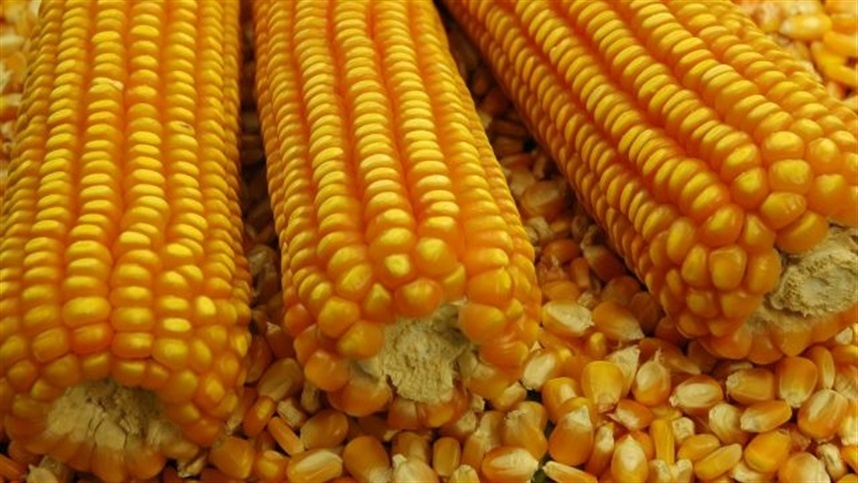
Photo: Gilson Abreu/AEN
Even with strong export performance, which could reach 42 million tons shipped in 2025, Brazil should end the year with comfortable carryover stocks, according to Itaú BBA. "This should reduce the risk of shortages and balance the market at the beginning of the next cycle," the consultancy projects.
The combination of high global supply, unfavorable exchange rates, and a slow pace of sales tends to keep the Brazilian corn market in a moderate tone in the coming weeks. According to analysts at Itaú BBA, price behavior should remain tied to the international scenario, especially the outcome of the US harvest and exchange rate dynamics. "The global corn market has entered a transitional phase, where there is short-term support from climatic and demand factors, but the structural trend is still towards equilibrium, with high global stocks," emphasizes Itaú BBA's Agro Consulting.
The digital version is now available on the O Presente Rural website, with free access for full reading, click here. here.