EN
EN  PT_BR
PT_BR 
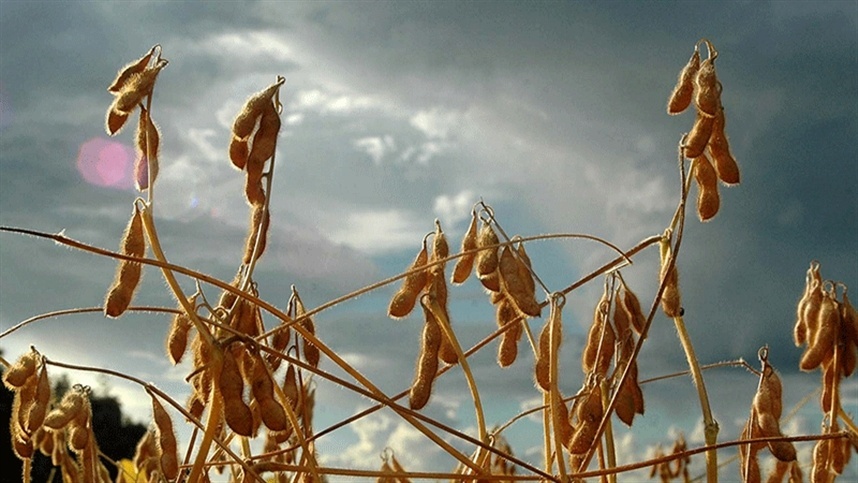
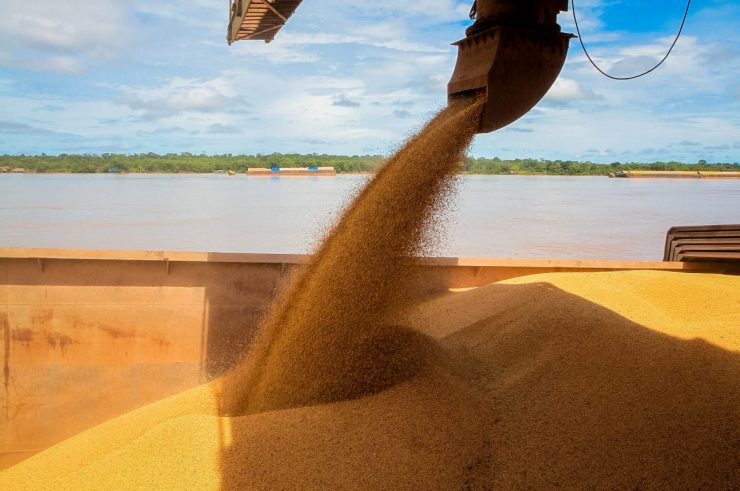
Soybeans and Brazil have become almost synonymous. In the last harvest, the country reaffirmed its leadership as the world's largest producer of the grain, with approximately 155 million tons, surpassing the United States, with approximately 113 million tons, and Argentina, which produced around 50 million tons. The numbers were confirmed by international and national organizations such as FAOSTAT, USDA, and Conab.

Photo: Disclosure/OPR Archive
Following its legacy as a leading crop in Brazilian agriculture, soybeans can now take on a renewed role on the consumer's plate, and not just as cooking oil. A recently released report by The Good Food Institute Brazil (GFI Brazil) points to ways for the grain to consolidate itself as the protein base for a new generation of meat analogs—plant-based products that mimic the taste, texture, and appearance of traditional meats.
The document is the result of a technical forum that brought together researchers, producers, and industry representatives to discuss how to improve the quality and competitiveness of Brazilian soybeans in this emerging market. Based on qualified listening to experts from 12 institutions with extensive work with the grain—seven from academia, three from the ingredients industry, and two from the food industry—it was possible to develop guidelines and map research opportunities in this sector.

Photo: Danilo Estevao
Barriers and opportunities
Market research shows that price is the biggest obstacle to the popularization of meat analogues. Secondly, consumers cite unsatisfactory taste and texture, and distrust regarding the use of soy or genetically modified products.
The solution, therefore, is not to deny the problems, but to use them as a driving force: the report points out that those responsible for manufacturing can expand the supply of local innovation infrastructures and invest in applied research so that scientists, in turn, can create technologically accessible pathways to a better sensory experience and productive efficiency.
Science and technology in agriculture and industry
In this scenario, despite the abundance of raw materials, a large portion of the soy-derived ingredients used by the plant-based meat industry in Brazil are still imported, such as isolated and concentrated proteins, which offer high functional performance.
However, in contrast to this, the report sees defatted soy flour as a more accessible and widely available alternative.

Photo: Geraldo Bubniak
Available in Brazil for the production of ingredients aimed at the plant-based meat analog market. “It is a versatile ingredient with a relevant nutritional profile, rich in protein, fiber, and minerals, and it also requires less processing and has a lower cost compared to soy protein concentrates and isolates. Its more whole-grain nature, combined with its potential for use in products focused on accessibility, nutritional value, and clean label appeal, makes it a standout option for large-scale formulations,” says Graziele Grossi Bovi Karatay, Science and Technology Specialist at GFI Brazil.
The report also highlights the need to create cultivars with higher protein content and quality, improved nutritional profiles, and lower levels of antinutritional compounds, reinforcing the need for research in genetic improvement. In processing, technologies such as fermentation appear as a strategy to improve the flavor and aroma of products.
A new and sustainable cycle for soy.
If well-planned and implemented, these ideas can open a new economic cycle for Brazilian soy, diversifying its use and expanding its added value. For farmers, it means the possibility of new markets; for industry, more autonomy and competitiveness; and for consumers, tastier, more nutritious, and more accessible products. “Strengthening the role of soy in meat analogues is a strategy that unites science, agribusiness, and innovation to respond to global demands for more sustainable proteins, maintaining Brazil's leadership, now also in the field of plant-based alternatives,” emphasizes Raquel Caselli, Director of Corporate Engagement at GFI Brazil.