EN
EN  PT_BR
PT_BR 
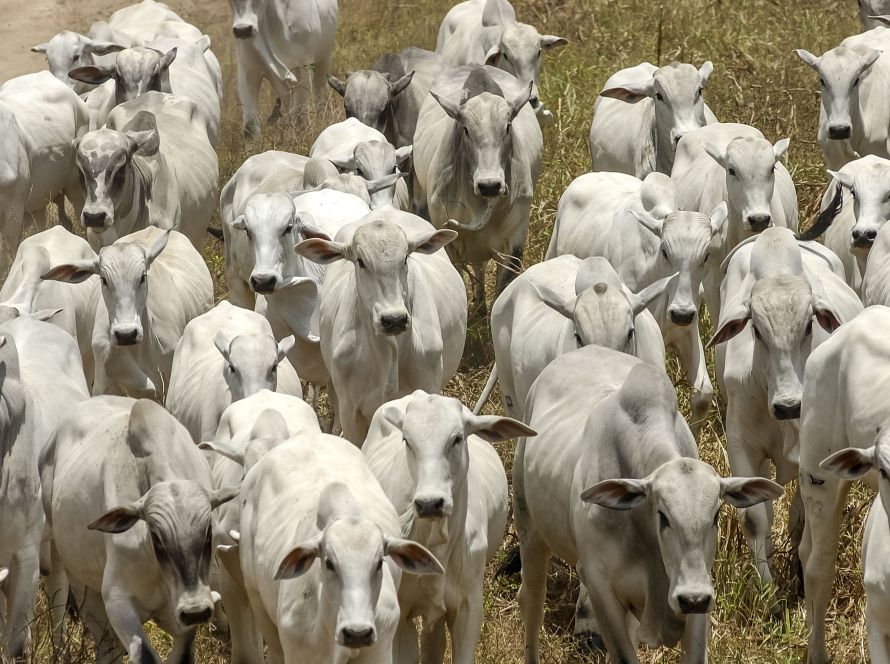
Between January and April 2026, Mato Grosso recorded the highest percentage of young cattle slaughter in the historical series initiated in 2006 by the Mato Grosso Institute of Agricultural Economics (Imea). During this period, 44% of the animals slaughtered in the state were up to 24 months old, a rate much higher than that recorded at the beginning of the series, when this percentage was only 2%.

Photos: Shutterstock
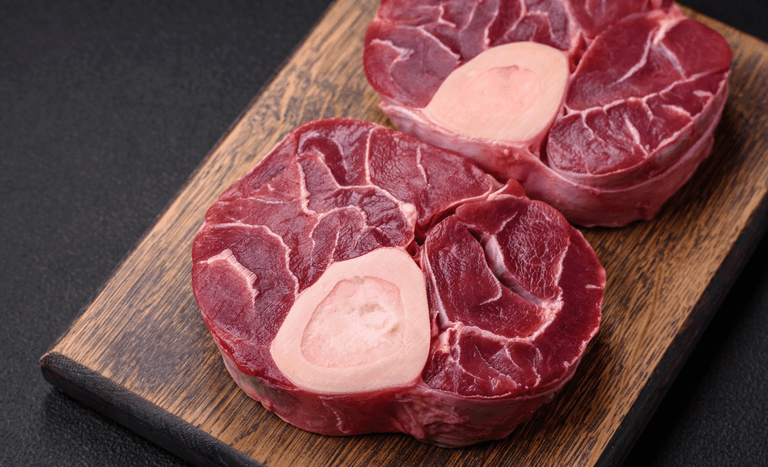
The increase in early slaughter is keeping pace with the modernization of livestock farming in Mato Grosso, with greater investment in genetics, nutrition, and production intensification. Besides improving meat quality, with greater tenderness, standardization, and finish, the model is also seen by the sector as an alternative to increase the efficiency of the activity and reduce greenhouse gas emissions. “Younger animals remain in the production system for less time, which reduces methane emissions per head and increases the efficiency of livestock farming. Furthermore, early slaughter contributes to better quality meat, more standardized and aligned with the demands of the international market,” says the Projects Director of the Mato Grosso Institute of Meat (Imac), Bruno de Jesus Andrade.

The production performance comes amid the growth of beef exports from the state. In April 2026, Mato Grosso recorded a record for shipments for the month, with 84,100 tons of carcass weight equivalent (TEC) exported, a volume 2.1% higher than that recorded in March and 18.98% above the same period in 2025.
Revenue from Mato Grosso's exports totaled US$408.66 million, an increase of 9.38% compared to the previous month and 47.86% in the annual comparison.

Data from Imea, based on the Secretariat of Foreign Trade (Secex), also shows that Mato Grosso accounted for 24.62% of all beef exported by Brazil in April 2026, maintaining its national leadership in shipments of this protein.
China remained the main destination for beef from Mato Grosso, accounting for 591 TP4T of the state's exports in April. Nationally, the Chinese accounted for 51,551 TP4T of Brazilian shipments during the period. "Mato Grosso is consolidating its position as the main exporter of beef in the country. These results show the state's capacity to increase production, gain efficiency, and meet increasingly demanding markets in terms of quality and consistency," highlights the Director of Projects at Imac.