EN
EN  PT_BR
PT_BR 
The beef cattle industry in Mato Grosso has undergone a structural transformation in the last two decades. Between 2006 and 2025, the state increased its slaughter volume by 42.9%, going from 5.2 million to 7.4 million head, while significantly altering the profile of animals destined for slaughterhouses.

Photo: Disclosure
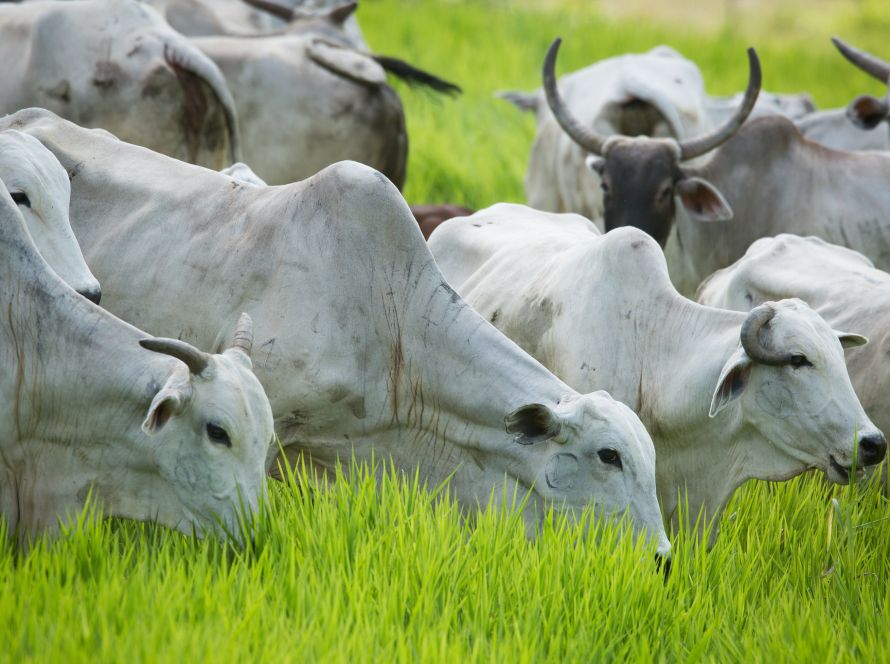
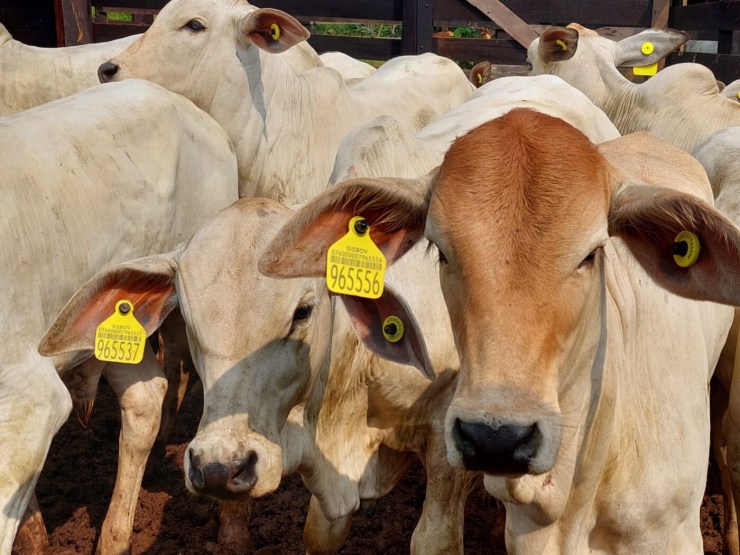
In 2006, cattle up to 24 months old represented only 2% of the total slaughtered. By 2025, this share had reached 43%, a direct reflection of the intensification of production systems and the adoption of technologies aimed at increasing efficiency, reducing the production cycle, and making better use of the area.
The change is the result of a combination of investments that have spread consistently throughout the state, such as nutritional supplementation, confinement and semi-confinement, stricter sanitary control, recovery of degraded pastures, and the expansion of integrated crop-livestock systems.
These advances have made it possible to increase productivity without the need to expand the area dedicated to the activity. “Brazilian livestock farming has undergone a profound transformation in the last two decades. Today, we produce more meat in less time, with better land use, greater productive efficiency and consistent advances in technology, genetics and management,” says Bruno de Jesus Andrade, Projects Director of the Mato Grosso Institute of Meat (Imac).
The effects of modernization are also reflected in external performance. In 2025, Mato Grosso exported 978,400 tons of meat.

Photo: Disclosure
Beef is exported to 92 countries, generating an approximate revenue of US$4 billion. The average value per ton shipped was around US$5,460, an indicator that reinforces the competitiveness of the meat produced in the state.
According to Andrade, the current stage of the activity places Mato Grosso in a strategic position in the global animal protein market. “What we see today is a more modern, more productive livestock industry, prepared to meet demanding markets without compromising socio-environmental responsibility. We are evolving based on data, science, and management,” he emphasizes.