EN
 PT_BR

Soybean planting in Mato Grosso do Sul has reached 52.61 TP4T of the estimated area for the 2026/2027 crop season, equivalent to approximately 2.5 million hectares. The data comes from the SIGA-MS Project, executed by Aprosoja/MS with resources from Fundems/Semadesc.
The planting pace is about 4.8 percentage points ahead of that recorded in the same period of the previous harvest. The Southern region shows the greatest progress, with 61.8% of the area sown. In the Central region, planting reached 38.9%, while in the Northern region 37.8% of the estimated area was sown.
Três Lagoas recorded 95% of planted area, followed by Laguna Carapã, with 85%. Aral Moreira, Douradina and Itaporã each showed an advance of 80%.
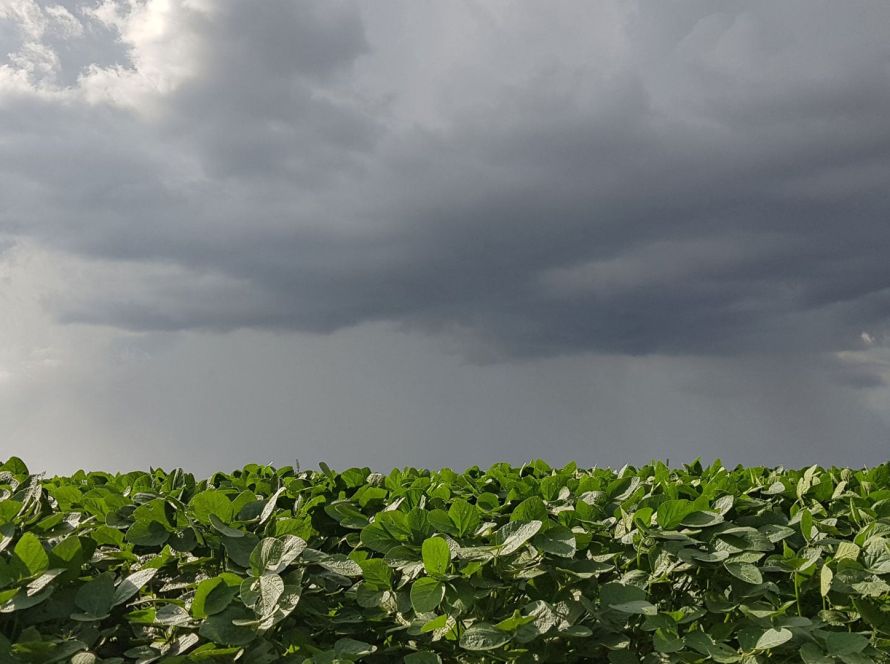
“Soil moisture conditions favored the advancement of machinery in different regions. At the same time, the rains also stimulated the emergence of weeds, especially in the Central, Western and Southern regions, requiring attention to crop management,” points out the technical analyst of Aprosoja/MS, Lucas Santana.
The climate scenario is also among the points of attention for the producer. The forecast for the October-December quarter indicates the influence of a very strong El Niño, with the possibility of high temperatures, heat waves, storms, intense winds, and the occasional occurrence of hail. The intensity and distribution of these phenomena, however, depend on the interaction with other atmospheric systems.
The SIGA-MS Project estimate for the 2026/2027 harvest indicates a cultivated area of 4.874 million hectares, an increase of 5.51 TP4T compared to the previous cycle. The average productivity is estimated at 52.4 sacks per hectare, a decrease of 13.21 TP4T.