EN
EN  PT_BR
PT_BR 
Grape production in the state of Goiás increased from 1,516 tons in 2020 to 3,264 tons in 2024, according to figures from the Panorama of Viticulture in Brazil (2020-2024), conducted by Embrapa. These numbers may seem small compared to the leading grape-growing state, Rio Grande do Sul, but they represent a significant achievement for the Central-West region, which until a few years ago did not explore this monoculture due to its biome, the Cerrado.
According to data from the National Association of Winter Wine Producers (Anprovin), the state of Goiás is currently responsible for the production of 7% wine in Brazil.
Until 1960, grape production in the country – intended for consumers as fresh produce, juice, or fermented products (wines and sparkling wines) – was restricted to the South and Southeast regions due to the temperate climate and low temperatures that favored the grape cycle. But at the end of the last century, the expansion of cultivation reached even tropical climates thanks to the development of double pruning.
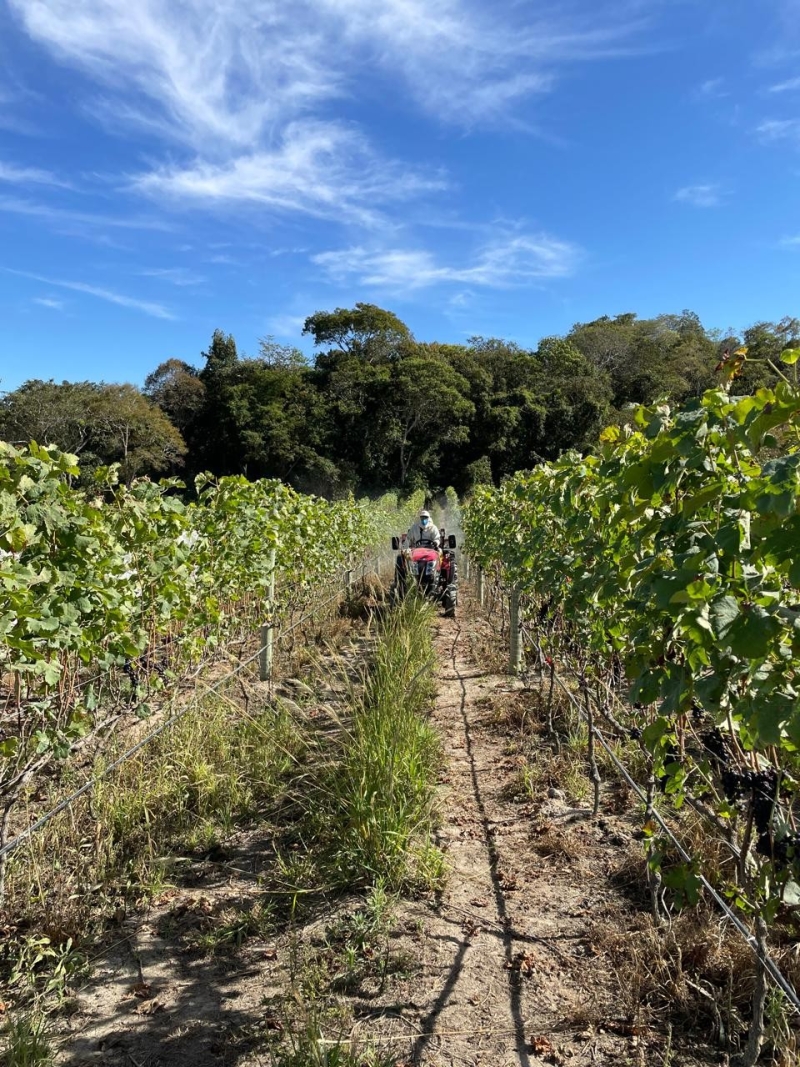
The technique consists of "tricking" the plant by pruning it twice a year, changing its natural cycle and causing it to ripen in winter. This process has allowed Brazilian grape production to reach 1.8 million tons annually in recent years, and has also enabled the Cerrado region of Goiás to begin investing in the fruit, mainly in the field of viticulture – the wine production process that begins with the cultivation of the vines and ends with the wine on the consumer's table.
In Goiás, grapes are already cultivated around the Federal District, Paraúna, and Hidrolândia. But the Pyrenees Route is currently the region of the state that attracts the most attention and stands out in the national market when it comes to wine production. Focusing on fine wines, produced for a select and demanding public, the Pyrenees Route – comprising Pirenópolis, Cocalzinho, and Corumbá – has formed what we now call the Central-West Wine Corridor.
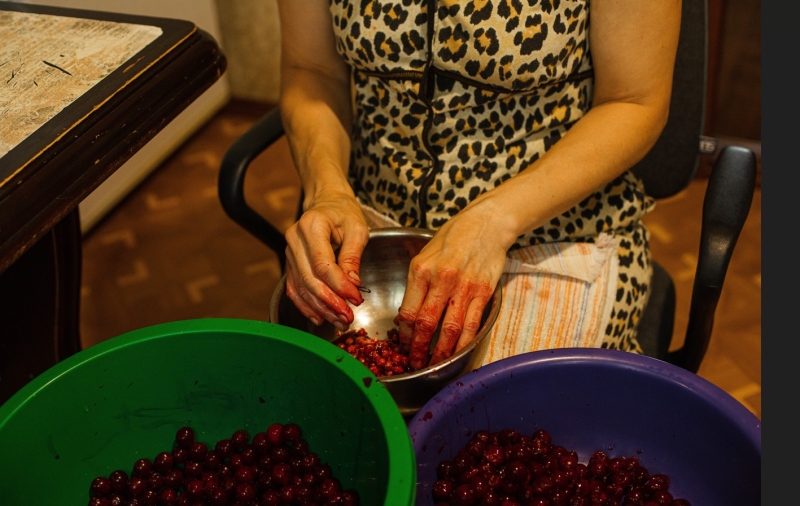
The region, which is mountainous, has a total of nine wineries, which are further consolidated by the artisanal cheese production along the same route. The two experiences together promote a gastronomic route. On a daily basis, the area offers guided tours with local producers, who accompany consumers through the wine production process, allowing everyone to taste the flavor of wine produced in the Cerrado region.
Development attracts residents.
The development of viticulture has added another attraction to the Pyrenees Route, whose mountainous landscape, milder climate, and waterfalls are attracting more and more visitors. The region attracts 80,000 visitors per month in the low season and 120,000 visitors per month in the high season.
To cater to this audience, new developments have emerged alongside the growth of the hotel network, focusing on short-term rentals. One example is Salto Imperial, a gated community being developed next to Salto Corumbá, one of the main waterfalls in the state of Goiás, right in the heart of the Pyrenees Route.
The first phase of the project, launched in 2024, achieved 93% in lot sales in the first phase and is now launching the second phase of lots. "The uneven terrains are the public's favorites, the first to sell out because the owners' intention is to build Instagrammable and inspiring homes," says sales coordinator Rodrigo Ribeiro.
The development is surrounded by mountains, has a mild climate and rugged terrain, private leisure facilities and support services – such as a van to take residents and renters to and from wineries and neighboring towns, like Pirenópolis – so they can enjoy the evenings without having to drive.
In addition to tourists, the region has also attracted people who choose it as a second or even primary residence. "With the consolidation of remote work, many people have invested in a second home to spend part of the week or month there, such as the IT professionals we serve with some regularity," says Robério Siquiero, real estate specialist and commercial manager of ABL Prime, one of the project's developers, along with Trinus.
“People aren’t buying land, but nature, experiences, inspiring views, a lifestyle that is increasingly sought after in a context where people want and need to slow down,” highlighted Rodrigo Estivallet, a partner in the project. The second phase of the project is being launched, and the works on the first phase are 40% completed.
Imperial Leap
The Salto Imperial Condominium is located on the Pyrenees Route, just 15 minutes from Pirenópolis, 35 minutes from Anápolis, and 50 minutes from Brasília. With security provided by a gated perimeter, the development also features a playground, fitness area, games area, hammock area, viewpoint, barbecue area, infinity pool, multi-sports court, and sand court.
Task optimization is one of the main highlights of the condominium, managed by ABL Gestão. Residents can manage their homes through online tools. With the app, residents can request maintenance, gardening, grocery shopping, full cleaning, and many other services without leaving their homes.
Salto Imperial will also offer an exclusive transfer service for residents, available whenever someone wants to take one of the cultural tours or visit one of the surrounding historical towns. The transfer will pick up and drop off passengers at their homes.