EN
EN  PT_BR
PT_BR 
Brazilian fish farming's foreign trade registered a decline in the first quarter of 2026. Exports totaled US$11.2 million between January and March, a decrease of 39% compared to the US$18.5 million registered in the same period of 2025. In volume, the decrease was 41%, going from 3,900 tons to 2,300 tons.

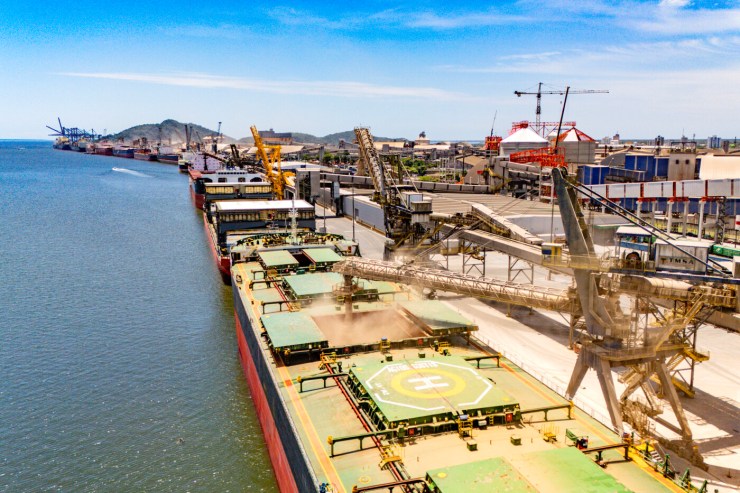
Photo: Press release/C.Vale
Despite the negative overall result, shipments began to recover throughout the quarter. In January, 592 tons were exported, generating US$3 million in revenue. In February, the volume rose to 711 tons, with US$3.1 million. In March, exports reached 1,006 tons and US$5.1 million.
The recovery coincides with the reduction in import tariffs applied by the United States at the end of February, which fell from 50% to 10%. As a result, Brazilian exporters resumed shipping fish, mainly fresh tilapia fillets.
According to researcher Manoel Pedroza, from Embrapa Fisheries and Aquaculture, "The elimination of the tariff increase in February 2026 allowed Brazil to resume exporting fish to the United States with a tariff of 10%, which allowed Brazilian exporters to resume shipments – mainly of fresh tilapia fillets."
Another highlight of the period was the increase in tilapia imports from Vietnam. Until the end of 2025, only Santa Catarina and São Paulo were purchasing the product. In February, Minas Gerais and Rio de Janeiro began importing, followed by Pernambuco and Maranhão in March.

Researcher from Embrapa Fisheries and Aquaculture, Manoel Pedroza – Photo: Jaqueline Galvão/OP Rural
According to Pedroza, the entry of foreign products raises sanitary and economic concerns. There is a risk of introducing diseases that do not yet exist in the country and pressure on prices, since Vietnamese tilapia arrives in Brazil at prices lower than the cost of national production. The imported frozen fillet has an average price of around R$21.00 per kilo, not including freight and insurance, also favored by subsidies in the country of origin and, in some states, ICMS exemption.
Given this scenario, the sector is seeking to diversify markets. Countries like Mexico and Canada have increased their purchases of Brazilian tilapia. The strategy aims to reduce dependence on the United States, the main destination for exports, and is expected to gain momentum in the coming years.
The data is part of the Aquaculture Foreign Trade Report, published quarterly by Embrapa in partnership with the Brazilian Aquaculture Association (PeixeBR). The publication compiles information on the performance of the sector's exports and imports in the country.