EN
EN  PT_BR
PT_BR 
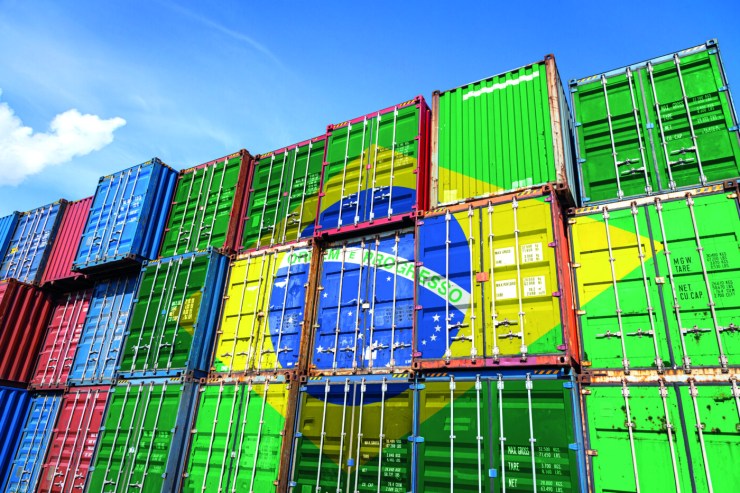
Brazilian agribusiness exported US$12.05 billion in February 2026, the best result in the historical series for the month. This value represents 45.81% of all Brazilian exports during the period.
Compared to February 2025, there was growth of 7.4%, driven mainly by the increase in export volume, which advanced 9% compared to the same month last year. The result reflects the strategy adopted by the Ministry of Agriculture and Livestock (Mapa), in partnership with other government institutions and the private sector, aimed at expanding and opening markets for Brazilian agricultural products.

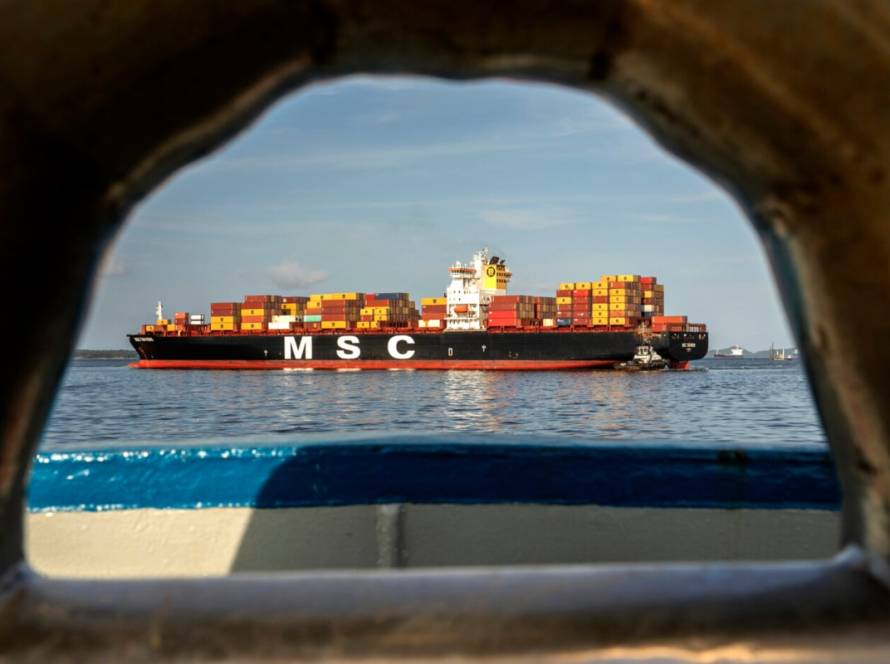
Photos: Claudio Neves/Ports of Paraná
Despite the increase in exports, the average international price registered a decrease of 1.5%, following the trend observed in global food indices, such as those released by the World Bank and the Food and Agriculture Organization of the United Nations (FAO).
During the same period, imports of agricultural products totaled US$1.5 billion, a decrease of 9.11% compared to February 2025. As a result, the agribusiness trade balance surplus reached US$10.5 billion (10.3% of the total).
China remained the main destination for Brazilian agricultural exports, with US$3.6 billion and a 30.5% share of total exports. Next were the European Union, with US$1.8 billion (15.2% of total exports), and the United States, with US$802.9 million (7% of total exports).
The month also saw an expansion of exports to other Asian countries, notably Vietnam, which imported over US$372.6 million in Brazilian agricultural products (an increase of 22.9% compared to February 2025), and India, with shipments of US$357.3 million (growth of 171.1%). In the ranking of the main destinations for Brazilian agribusiness in February, Vietnam and India occupied the 4th and 5th positions, respectively.

Other markets also increased their purchases during the period, including Turkey (US$ 312 million, +12.7%), Egypt (US$ 212.6 million, +20.7%), Mexico (US$ 205 million, +19.7%), Thailand (US$ 201 million, +33.1%), United Kingdom (US$ 194.6 million, +61.2%), Philippines (US$ 161.2 million, +80%), Russia (US$ 109 million, +38%), Taiwan (US$ 99.2 million, +20.7%), Oman (US$ 55 million, +211%) and Gambia (US$ 36.4 million, +115.6%).
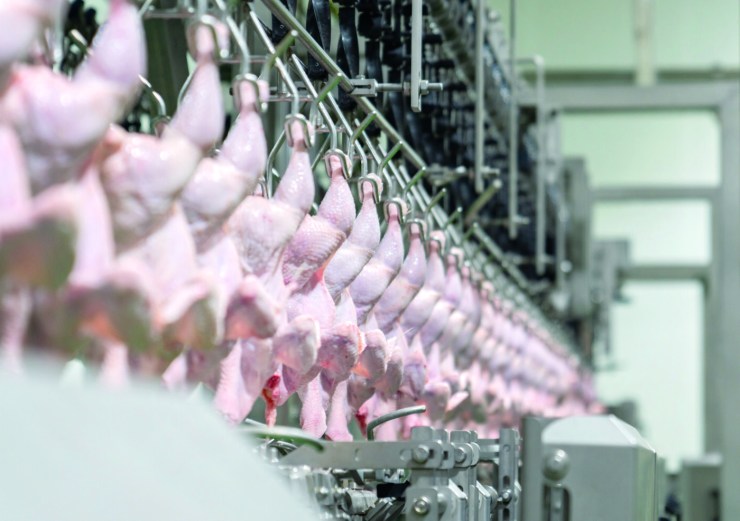
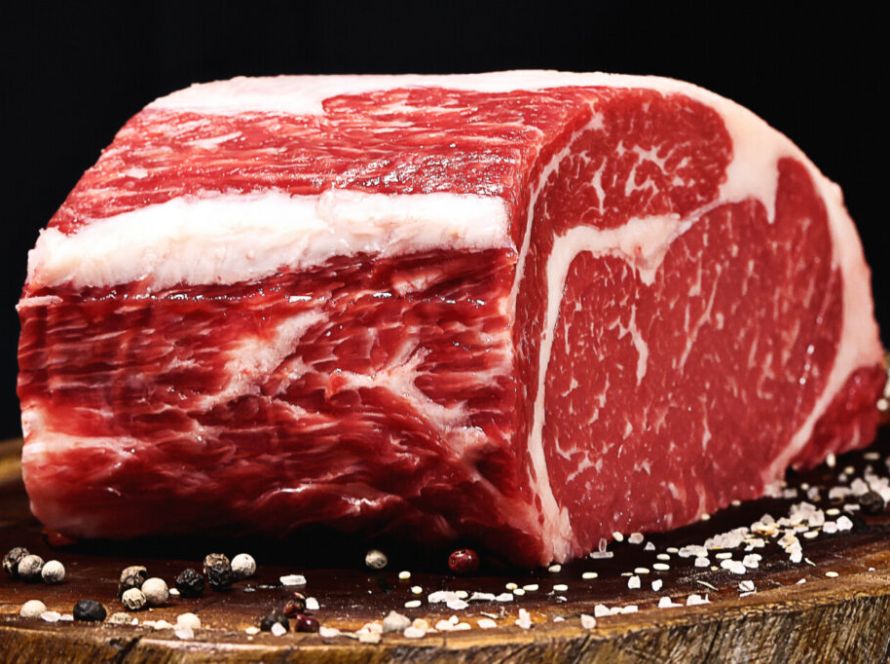
Among the main exporting sectors of Brazilian agribusiness in February, the following stand out: the soybean complex, with US$3.78 billion (31.4% of the total exported and an increase of 16.4% compared to February 2025); animal proteins, with US$2.7 billion (22.5% of the total and growth of 22.5%); forestry products, with US$1.27 billion (10.5% share and a decrease of 1%); coffee, with US$1.12 billion (9.3% share and a decrease of 0.2%); and the sugar and ethanol complex, with US$861.35 million (7.1% of the total and a decrease of 4.2%).
In addition to the traditionally most exported products, several items outside this group registered growth in February, reinforcing the potential for diversification of the Brazilian export portfolio. Among them, the following stand out:
- Orange essential oil – record in value (US$ 47.8 million; +28.8%) and quantity (4.1 thousand tons; +51.0%);
- Corn DDG – record in value (US$ 36.2 million; +164.2%) and quantity (156.4 thousand tons; +146.1%);
- Meat meal, extracts and offal – record in value (US$ 20.1 million; +10.5%) and quantity (45.7 thousand tons; +36.9%);
- Cocoa butter, fat and oil – record in value (US$ 17.2 million; +25.9%);
- Corn oil – record in value (US$ 15.9 million; +49.5%) and quantity (12.6 thousand tons; +24.9%).
According to the Minister of Agriculture and Livestock, Carlos Fávaro, the result reflects the increased supply and the continuous work of expanding markets. “Brazil is on track to harvest a record crop of plant products and see growing production of animal proteins. This increase in production expands the country's exportable surplus and strengthens the presence of Brazilian agribusiness in the international market, demonstrating the sector's ability to meet global demand with regularity, quality, health, and reliability,” he stated.
According to Luís Rua, Secretary of Trade and International Relations at the Ministry of Agriculture, Livestock and Supply (MAPA), the performance is also related to the market access agenda. “Brazil is expanding its supply, but it is also expanding its trade opportunities. There were nine new market openings in February alone and 544 since the beginning of 2023. This result reflects the importance of a continuous agenda of negotiation and closer ties with other countries,” he highlighted.