EN
EN  PT_BR
PT_BR 
THE Economic Bulletin Released in early April by the Department of Rural Economy of Paraná (Deral), linked to the Secretariat of Agriculture and Supply (Seab), the data reveals a scenario of adjustments in the agricultural sector. The highlight of the period was the dairy sector, which showed an increase in the price of the final product. In retail, long-life milk rose by 17% and powdered milk by 8.8%, with the product being sold at an average of R$ 4.52.

Photo: Disclosure/IDR-Paraná
According to veterinarian and Deral analyst Thiago De Marchi, the price paid to producers is not yet keeping pace with the increase seen on supermarket shelves, but the outlook is already positive. “The impact on producers isn't immediate because of payment deadlines that follow their own procedures in the industries. But the trend is that a higher price will be paid per liter of milk delivered,” he explains.
Animal proteins
According to the report, the animal protein segment continues to demonstrate strength, with particular emphasis on the efficiency of pig farming in Paraná. Over the last ten years, pork production in the state has grown by 57.71% of its production per capita (TP4T), jumping from 777,740 tons in 2016 to 1.23 million tons in 2025. The most relevant data point is that this productive growth surpassed the expansion of the herd, indicating a qualitative gain with the slaughter of heavier animals. Nationally, the scenario is similar, with meat production growing by 52.41% of its production per capita (TP4T) in the same period.

Photo: Shutterstock
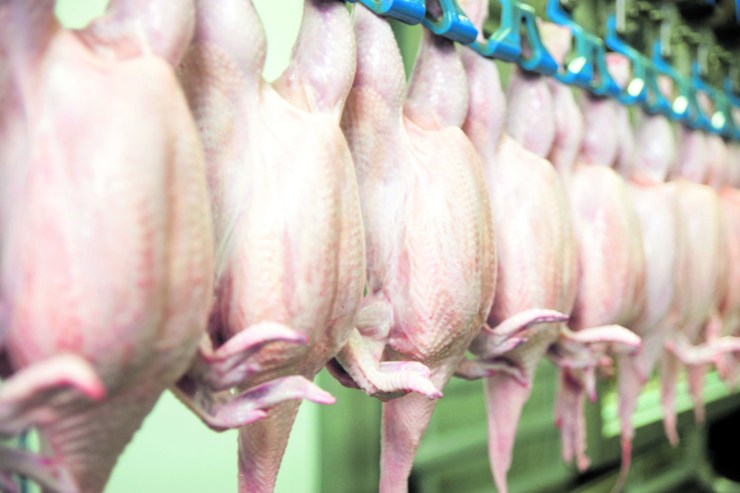
In the international market, poultry maintains a robust export performance, with Paraná leading in foreign exchange revenues. In the first two months of 2026, Brazilian chicken meat exports yielded US$1.788 billion, a 7.71% increase in revenue. Paraná alone accounts for 42.9% of the total volume exported by the country. The turkey sector, meanwhile, registered a jump of 107.6% in national foreign exchange revenue, driven by the appreciation of the average price of fresh meat, which rose 97.8% compared to the previous year.
Corn
The planting of the second corn crop of 2025/26 is nearing completion, reaching 991% of the projected 2.86 million hectares. Although 91% of the area is in good condition, Deral warns that March was unfavorable for the crop due to irregular rainfall and heat waves. Approximately 8% of the fields are in average condition and 1% are in poor condition, which may already reflect a final yield lower than initially projected for this cycle.
Cassava
Despite a challenging scenario and high leasing costs, cassava farming in Paraná is expected to grow.

Photo: Disclosure
The report indicates that the harvested area for 2026 is projected to reach 6%, with production potentially exceeding 4 million tons. The report highlights that the crop is undergoing a period of strategic adjustment. With prices 21% lower in this first quarter compared to the same period in 2025, producers have opted to maintain the crops for a second cycle, aiming to increase productivity and compensate for narrow margins.
Onion
Onion cultivation exemplifies the positive impact of technology applied in the field. Even with a current reduction of 12.8% in planted area compared to 2015, Brazil recorded an increase of 16.1% in the volume harvested in 2024, which means an increase of 33.1% in productivity. This movement has had repercussions on the prices received by the producer and those practiced for the final consumer.
In Paraná, in 2026, the price received by the producer jumped from R$ 0.82/kg in February to R$ 1.18/kg in March, a growth of 44.9%. The consumer also felt a variation in less than 30 days. The quotations for the national pear onion at the end of March are 42.9% higher than at the beginning of the same month, from R$ 1.75/kg to R$ 2.50/kg.