EN
EN  PT_BR
PT_BR 
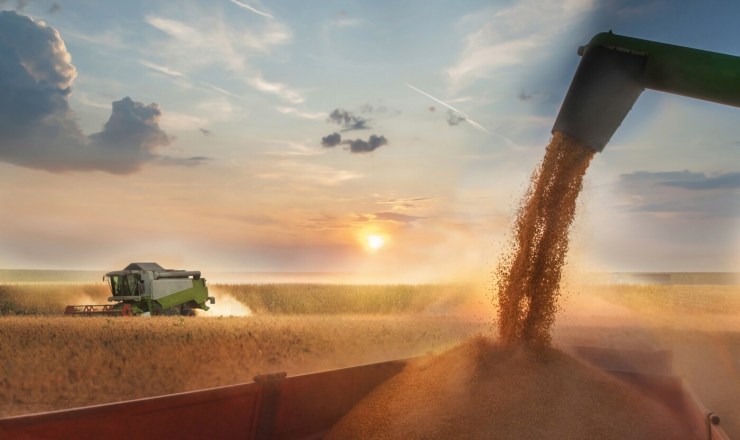
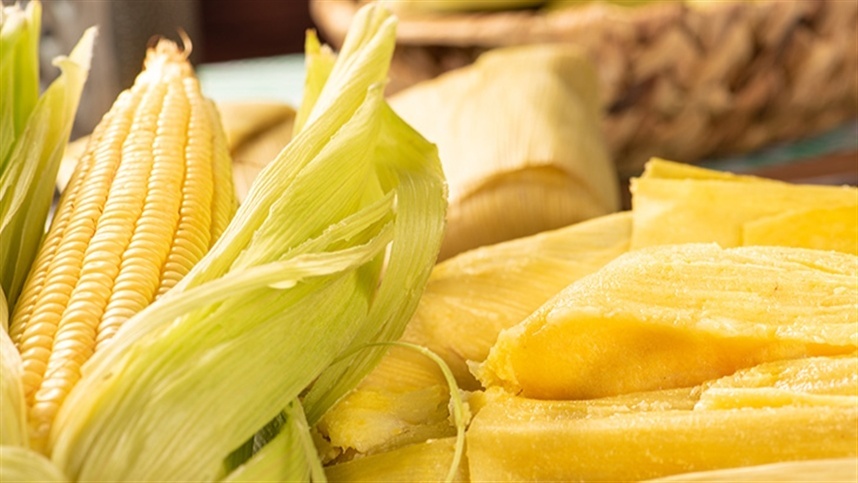
The area cultivated with corn in Paraná in the first harvest increased by 31%. According to the Deral's monthly crop report According to the Rural Economy Department of the State Secretariat of Agriculture and Supply (Seab), the crop occupied 364,900 hectares, compared to 278,300 hectares in the 24/25 harvest. The more stable price of corn, in relation to that of soybeans, was the main reason for this growth. The soybean harvest reached 21.7 million tons and is among the three largest harvests in the State.

Photo: Aires Mariga
According to Edmar Gervásio, an agronomist at Deral, the increase in the area cultivated with corn in Paraná was mainly due to the less favorable scenario for soybean sales, which had not occurred in previous periods. “Corn has a greater productive capacity than soybeans, which currently have unattractive prices. The more stable prices led producers to opt for corn. Production reached more than 4 million tons in the first harvest,” he highlighted.
In the second corn crop, the area cultivated with the cereal expanded over the space previously used for wheat. It now covers 2.9 million hectares, 7% more than the previous crop and the largest area in history. If there are no adverse weather phenomena, Paraná could have a production exceeding 17.5 million tons.
"The recent frosts brought isolated problems to the southern region of the state, which are not significant for the corn crop. If there is no frost in the next 15 days, a large part of these areas will have their productive potential more defined. The two corn harvests combined should yield more than 21 million tons. As for the soybean harvest, production reached 21.7 million tons, one of the largest obtained in the state."
Wheat

Photo: Luiz Magnante
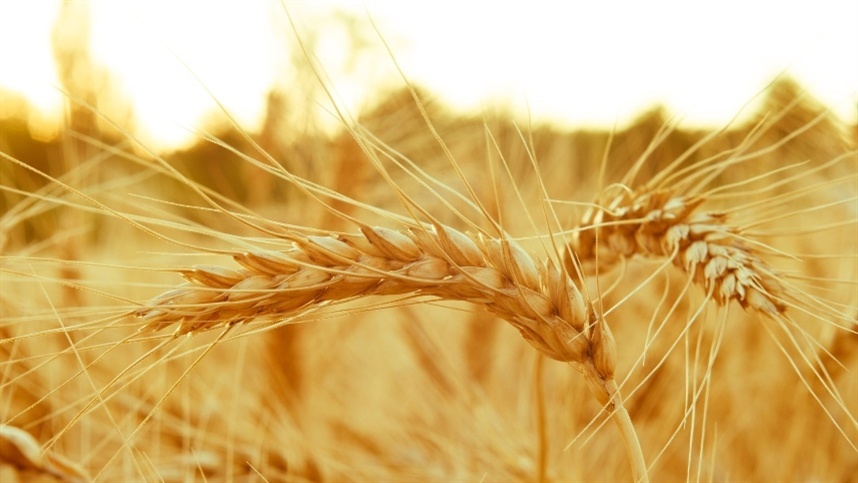
Wheat crops are developing well. More than 611,000 hectares of the state's area have already been planted, and the forecast is that the crop will occupy 722,000 hectares in Paraná. The estimated production is 2.4 million tons.
Marcelo Garrido, from Deral, believes that the forecast of an intense El Niño in the second half of the year, with less cold and more rain, points to a less severe winter, which could benefit wheat and the planting of next year's summer crop.
Weekly Bulletin

Photo: Jonas Oliveira/Seab
Deral also released the This week's bulletin This shows a scenario of increased value throughout the milk supply chain, supported by lower product collection by industries. The price of raw milk paid to producers increased by 131% compared to the April average.
Poultry farming consolidates its absolute leadership in exports in Paraná. In the first four months of the year, the state shipped 791,100 tons and earned US$1.43 billion. This volume is 6.21% higher than the previous month, and the gains exceed the previous figures by 4.11%. Demand remains strong from China and Japan.