EN
EN  PT_BR
PT_BR 
Climate forecasts for the coming months indicate a transition period for El Niño-Southern Oscillation (ENSO), with a higher probability of neutrality throughout the autumn and early winter and an increasing risk of El Niño strengthening in the second half of 2026. The scenario, analyzed in the 35th edition of StoneX's Quarterly Commodity Outlook Report, released last Tuesday (14), reinforces the need for caution in agribusiness in the face of more irregular rainfall, above-average temperatures in several regions, and uneven regional impacts on production. The report can be downloaded for free by clicking here.
According to the main international climate monitoring centers, the chance of ENSO neutrality is around 60% between

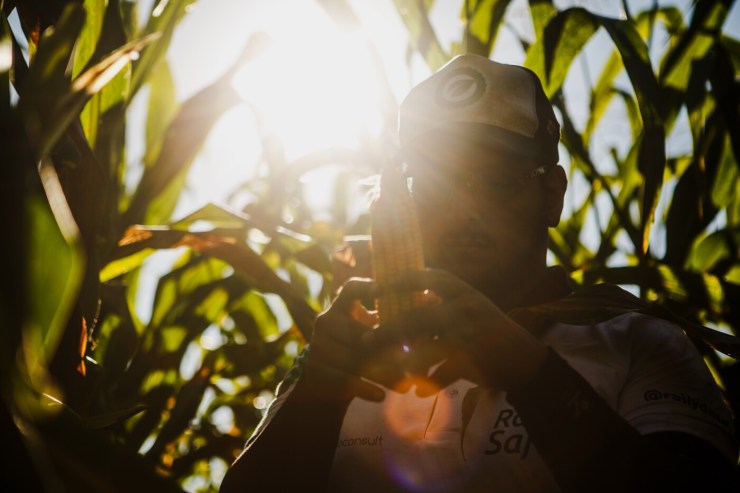
StoneX Market Intelligence Analyst, Carolina Jaramillo Giraldo: “The coming months of transition should be marked by an unstable climate scenario” – Photo: Press Release/StoneX
March and May, and 70% between April and June, with similar projections extending into July. From the second half of the year, models begin to indicate warming of the Equatorial Pacific, with an increased probability of El Niño formation. “The coming months of transition should be marked by an unstable climate scenario, in which the ocean signal points to neutrality, while background global warming continues to put pressure on temperatures and increase regional volatility,” says StoneX Market Intelligence analyst Carolina Giraldo, adding: “This requires more cautious decisions in the field, because the classic ENSO patterns no longer explain, on their own, climate behavior.”
Weather between April and June
The most recent analyses of sea surface temperature indicate positive anomalies on a global scale for the April–May–June quarter, including signs of warming in the Equatorial Pacific and the South Atlantic. The latter may favor localized episodes of greater moisture influx to southern Brazil, especially when combined with the action of regional atmospheric systems.

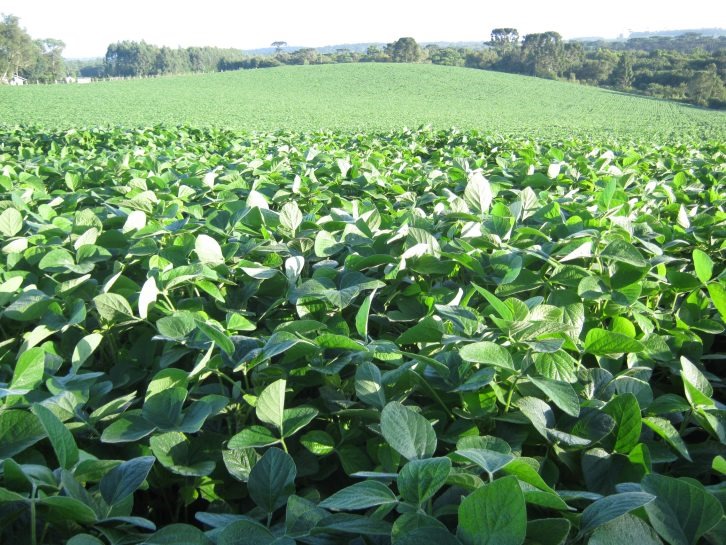
Photo: Disclosure/Pixabay
In terms of precipitation, April shows signs of below-average rainfall in regions of Southeast Asia, Indonesia, and southern Australia, while parts of Ecuador, Colombia, and northern Argentina tend to register above-average volumes. In May, the trend of higher rainfall may reach areas of northwestern Brazil, while Central America and northern South America enter a drier period.
For June, models indicate neutral rainfall across much of Africa and above-average rainfall in areas of Brazil and the far west of Colombia. “The key point is not just how much it will rain, but when and where. The spatial and temporal irregularity of rainfall remains the main challenge for agriculture in the short term,” Carolina points out.
Expected impacts on agribusiness
In South America, the climate transition scenario is increasing uncertainties about the completion of the second corn crop. The possible intensification of the subtropical jet stream could hinder the regular advance of cold fronts through the interior of the continent, reducing humidity in the Southeast and Midwest and bringing forward the end of the rainy season in states such as São Paulo, Mato Grosso do Sul, and Paraná. This movement could affect biomass formation and productivity during critical phases of the agricultural cycle.
Despite this, the humidity observed in parts of Brazil in previous months is consistent with indications of a bumper grain harvest in [year].

Photo: Gilson Abreu/AEN
2025/2026 and favors the partial recovery of crops such as coffee and sugarcane, especially in regions with better water replenishment.
Conversely, recent episodes of excessive rainfall in states such as Mato Grosso, Goiás, and Minas Gerais have shown that high volumes can also impose operational restrictions, delay harvests, and compromise ideal planting windows. "Agribusiness is dealing with a more erratic climate. The same system that benefits one region can generate losses in another. Therefore, planning needs to consider a safety margin and active climate risk management," assesses the analyst.
Second semester on the radar
For the second half of the year, the StoneX report warns of the additional risk of synergy between a possible El Niño and the Positive Indian Ocean Dipole (+IOD). If both consolidate from July onwards, the risk of severe drought tends to increase in regions of Oceania and also in the North and Northeast of Brazil, which could affect strategic agricultural supply chains and increase market volatility. “Even with short-term neutrality, the second half of the year deserves constant monitoring. The climate is in transition, and decisions made now need to take this high degree of uncertainty into account,” emphasizes Carolina.