EN
EN  PT_BR
PT_BR 
The cooperative Copagril The next edition of the Corn Second Crop Field Day will take place on May 21st at the Experimental Station in Marechal Cândido Rondon. The program will run from 8:30 am to 5:00 pm and will focus primarily on the technical evaluation of corn hybrids, nutritional management strategies, and plant cover systems aimed at increasing productivity and conserving soil.
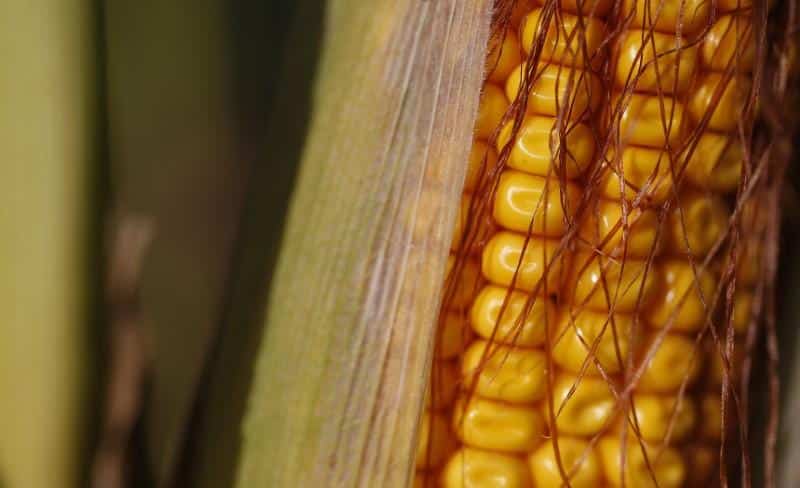
The event will bring together farmers, technical assistance professionals, and partner companies to present 37 second-crop corn hybrids from nine genetics companies operating in the Brazilian market. The materials were grown under real cultivation conditions, allowing for a practical evaluation of agronomic performance in the face of the climatic conditions encountered this season.
 The planting of the areas took place on February 4th, a period marked by low water availability in western Paraná. According to the manager of the Copagril Experimental Station, Darci SonegoThe first 40 days after sowing were considered critical for the initial development of the plants due to the reduced volume of rainfall.
With the regularization of rainfall throughout the cycle, the areas showed significant recovery, allowing the identification of differences between the hybrids regarding tolerance to water stress, productive stability, and vegetative recovery capacity.
According to Sonego, conducting the experiments aims to replicate the reality faced by producers in the field. "The goal is to present real field results, without artificial interference, allowing for a reliable assessment to inform decisions about the next off-season crop," he states.
Another point highlighted by the technical team is the uniformity of management adopted in all experimental plots. According to the cooperative's agronomic manager, Douglas Sandrim de BritoAll hybrids received the same agronomic management, including base fertilization, nitrogen topdressing, foliar applications, and phytosanitary control.
 According to Brito, this standardization allows for a more precise comparison between materials, especially in aspects related to productive potential, health, plant architecture, and adaptation to the soil and climate conditions of the region.
During the Field Day, participants will be able to observe characteristics considered strategic for planning the next off-season crop, such as tolerance to water deficit, leaf health, ear uniformity, and nutritional response of the evaluated hybrids.
In addition to the corn area, the event will feature a technical showcase of cover crops, with nine species planted for agronomic analysis. The aim is to demonstrate to producers the benefits of using cover crops in protecting the physical soil, increasing organic matter, improving water infiltration, and reducing erosion processes.
 The Copagril technical team emphasizes that the use of plant cover during the off-season contributes to moisture conservation, maintenance of fertility, and improvement of the soil's physical structure—factors considered fundamental to ensuring greater productive stability of crops over the years.
Some of the species evaluated may also represent economically viable alternatives for creating more sustainable production systems on rural properties.
The cooperative expects the Field Day to directly assist producers in defining hybrids and management strategies for the next second-crop corn season, as well as promoting the exchange of experiences between farmers, technicians, and companies in the sector.