EN
 PT_BR


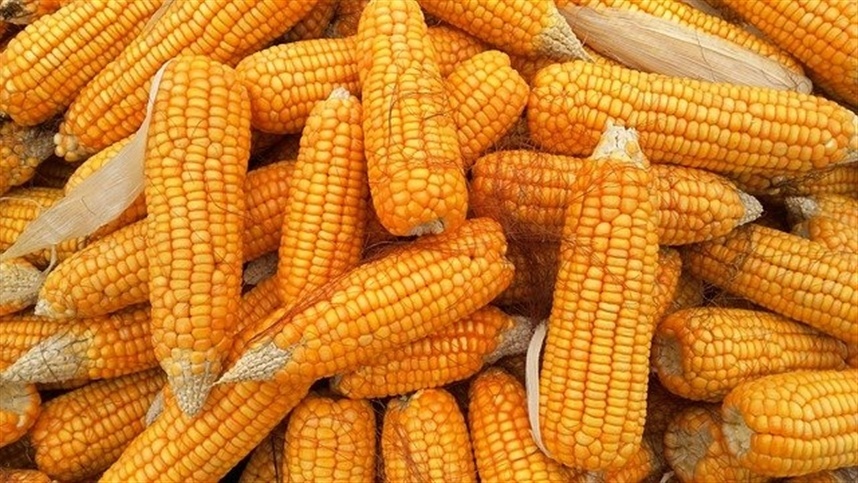
Getting the harvest point right for corn It is important to reduce losses and preserve grain quality. Physiological maturity marks the moment when the grain completes its filling and reaches its maximum dry mass. After that, the plant basically starts to lose water.
The main sign of physiological maturity is the formation of the black layer at the base of the grain. At this stage, the moisture content is usually between 30% and 35%. The color of the husks, the texture of the grains, and the evolution of the milk line also help in the evaluation, but do not replace the verification of the black layer.
Harvesting too early can reduce the final weight of the grains and increase drying costs. Conversely, excessive delays leave the crop more exposed to rain, fungi, lodging, ear drop, and grain breakage during harvest.
The ideal time also depends on the intended use of the produce. For dry grain, many crops are harvested with a moisture content between 18% and 24%. For silage, the point must balance starch content and fiber quality. Green corn, on the other hand, is harvested before physiological maturity, when the kernels are still between the milky and dough stages.
In addition to monitoring plant signs, the producer must also keep track of weather forecasts and grain moisture levels. The combine harvester's settings also need to be adjusted according to the hardness and moisture content to avoid damage and losses in the field.
The recommendation is not to define the harvest solely based on the calendar. Evaluating the ears of corn, measuring moisture levels, and assessing crop conditions are fundamental to choosing the most appropriate time.