EN
 PT_BR

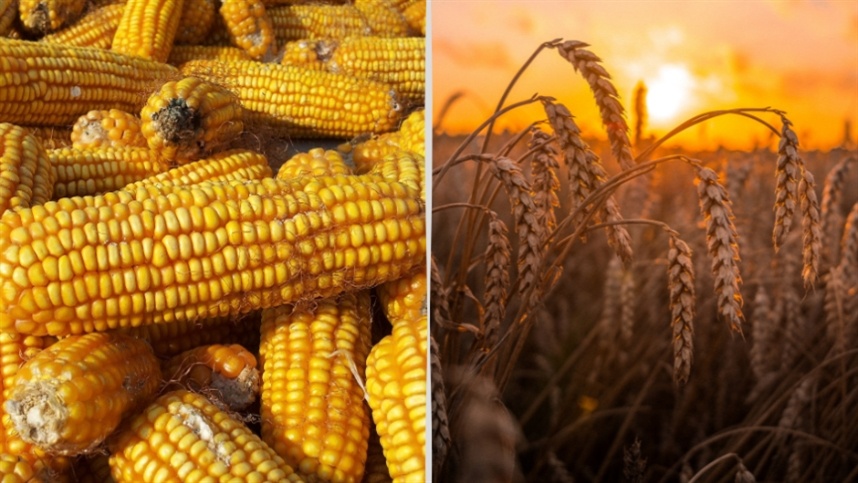
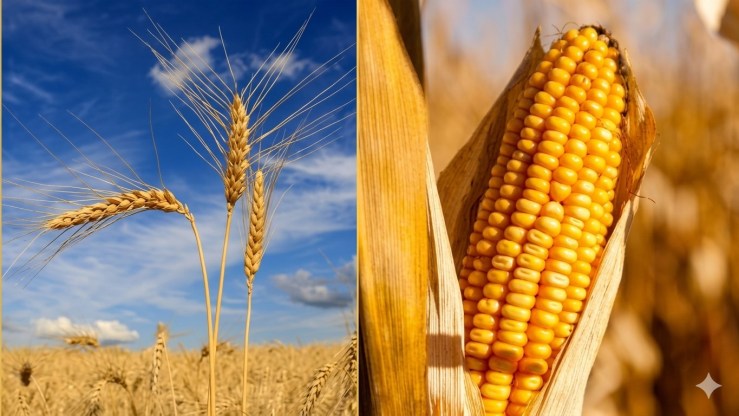
The international agricultural commodities market registered losses in the week ending October 13, with a notable decline in the value of... wheat and of corn In the United States, according to a survey by Rabobank, the S&P GS AG index fell 2.91% during the period, as declines in various commodities outweighed gains in palm oil and soybean meal. soycocoa, sugar, and cattle.
Hard winter wheat (HRW), traded on the Kansas City Board of Trade, fell 5.8%. Higher US inventories and less favorable export prospects reinforced concerns about US competitiveness, even with a domestic supply considered tight. Investment funds sold a net 6,649 contracts, reducing their long position to 17,391 contracts.
In the corn market, the decline reached 5% on the Chicago Board of Trade. The October report from the United States Department of Agriculture (USDA) surprised the market by indicating higher productivity for the North American crop, increasing the pressure that was already coming from higher-than-expected stocks the previous week. Funds sold a net 8,642 contracts, but still maintained a long balance of 230,877 contracts.
Soybean meal followed the opposite trend, rising 2.41 TP4T in Chicago. Strong demand for animal feed and limited availability of the derivative supported prices in the physical market, despite an abundant supply of soybeans. Even with the increase, managers reduced their net positions by 673 contracts, ending the week with a net net net of 206,131 contracts.
For Brazilian agribusiness, these movements reinforce the importance of following international trends, especially in light of the pressure on cereals and the rising value of soybean meal.