EN
EN  PT_BR
PT_BR 
The Faep System has already begun developing proposals from the Paraná agricultural sector for the 2026/27 Harvest Plan. Prepared based on technical studies and suggestions from rural unions in Paraná, the document compiles the main demands of the agricultural sector regarding rural credit and production support policies and will be submitted, by the end of February, to the Ministries of Agriculture and Livestock (Mapa), Agrarian Development (MDA), and Finance.
In addition to the Faep System and rural unions, the Organization of Cooperatives of the State of Paraná (Ocepar), the State Secretariat of Agriculture and Supply (Seab), the Rural Development Institute of Paraná (IDR-Paraná), and the Federation of Rural Workers and Family Farmers of the State of Paraná (Fetaep) contribute to the content.

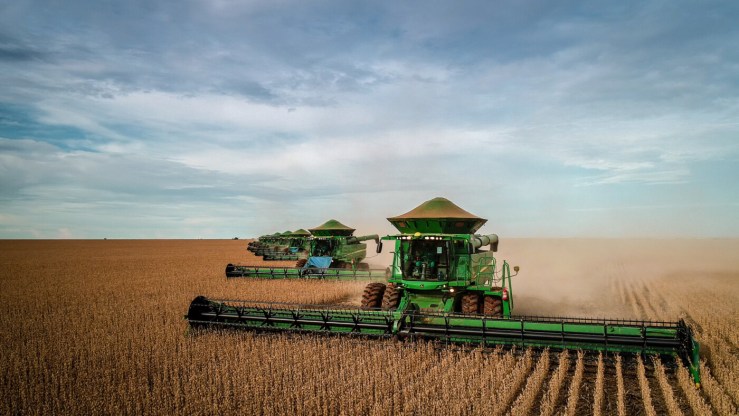
Photo: Gilson Abreu
Currently, organizations are mobilized to gather information from their members. The Faep System has sent official letters to rural unions requesting suggestions, with a deadline of February 6th. Based on this survey, the proposals will be consolidated into a single document.
According to Jefrey Albers, manager of the Technical and Economic Department (DTE) of the Faep System, Paraná stands out nationally for presenting a proposal built in an integrated way between different entities in the sector. "It's a joint effort, combining information, where each entity communicates with its base and brings technical and regional elements to strengthen the document," he explains.
The process of jointly developing proposals has been ongoing for over two decades in Paraná, consolidating the state as one of the main voices in the formulation of the Harvest Plan. Regional demands, developed with technical support, help guide public policies aimed at Brazilian agribusiness. “Paraná has a history of active participation in the development of the Harvest Plan. This dialogue with rural unions and other entities in the productive sector is fundamental for the demands of the countryside to be effectively considered by the federal government,” states the president of the Faep System, Ágide Eduardo Meneguette.

Photo: Shutterstock
The demands of the Paraná sector for the development of public policies should encompass different producer profiles, focusing on the allocation of resources for programs such as the National Program for Strengthening Family Farming (Pronaf), the National Program for Supporting Medium-Sized Rural Producers (Pronamp), and agribusiness. The content covers key aspects of rural credit, such as the volume of resources, interest rates, and financing terms, geared towards lines of credit for operating costs, investment, marketing, and rural insurance.
Another aspect considered is the analysis of the economic scenario, including inflation, production costs, and the performance of the agricultural sector—factors that underpin suggestions related to interest rates and resource allocation. Among the guidelines discussed is the prioritization of funds for operating expenses, rather than simply renewing machinery and equipment.