EN
EN  PT_BR
PT_BR 
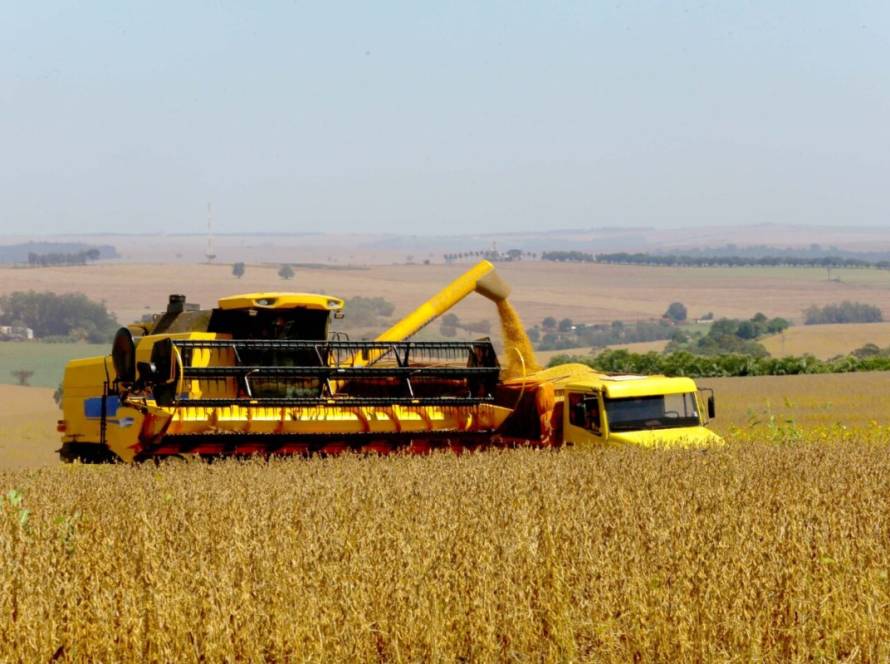
A Capal Cooperativa Agroindustrial reuniu colaboradores em Arapoti (PR), na última semana, para um evento de sensibilização da safra de verão 2025/2026. O encontro marca a preparação para o recebimento da safra verão na matriz e nas unidades, com ênfase para as culturas de soja e milho, e promove um alinhamento entre os diversos setores da Cooperativa que atuam na frente operacional da recepção, beneficiamento e armazenagem dos grãos. Também estiveram presentes representantes das áreas de apoio diretamente relacionadas à recepção da safra.
Para a diretora industrial da Capal, Valquíria Demarchi, o envolvimento de todas as áreas no evento, do operacional ao administrativo, é importante para que a cooperativa possa se planejar para um recebimento assertivo e sem incidentes. “O objetivo é receber a safra com tranquilidade e atender o cooperado para que ele consiga realizar uma boa gestão da safra, colhendo no momento certo e preservando a qualidade dos grãos”, explica.
Os temas abordados na reunião incluem cenário do campo, logística, gestão de pessoas, segurança do trabalho, preservação ambiental, obrigatoriedades fiscais, planejamento no pós-colheita, beneficiamento e armazenagem dos grãos. Com a construção de uma nova bateria de silos em Arapoti, a capacidade de armazenamento da Capal passa a totalizar 601 mil toneladas, somadas todas as Unidades.
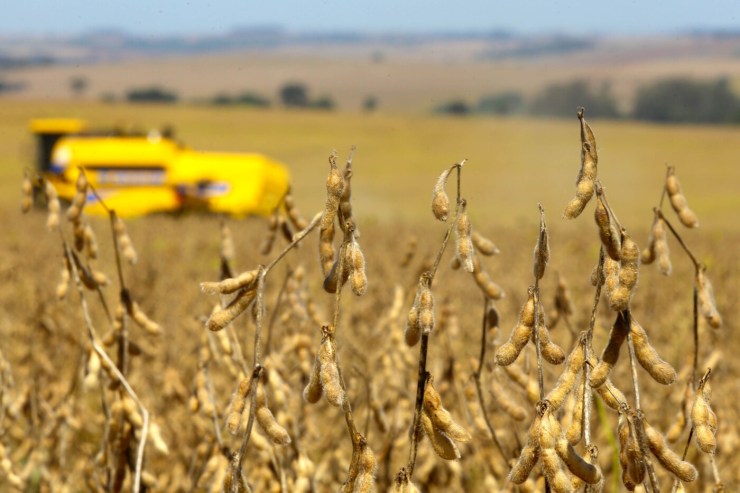
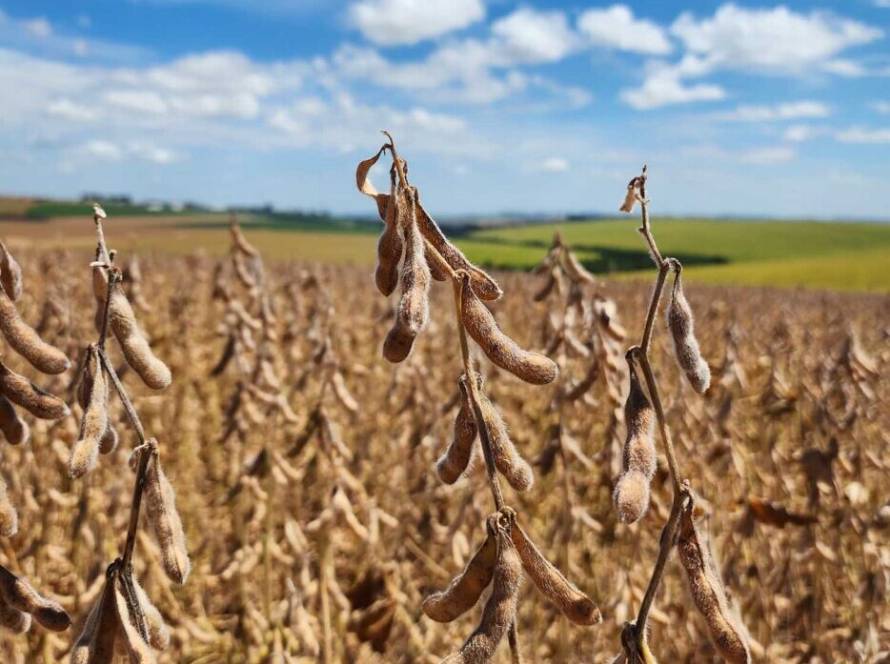
O engenheiro agrônomo Eliezer Fatiga Solda, do Departamento de Assistência Técnica – Agrícola da Capal, avalia que a safra atual está dentro das expectativas e que não teve muitas ocorrências em relação a pragas e doenças. “De maneira geral, o desenvolvimento das lavouras está muito bom. O que tem acontecido é uma irregularidade de chuvas, mas, em geral, os campos estão recebendo a quantidade de chuva necessária. O potencial produtivo está dentro do esperado, com exceção de casos específicos de déficit hídrico”, comenta.
Segundo o último boletim do Departamento de Economia Rural (Deral), da Secretaria de Estado da Agricultura e do Abastecimento (Seab), divulgado na semana passada, a soja já ocupa uma área de 4,8 milhões de hectares plantados no Paraná. A estimativa inicial é de que sejam colhidas 22 milhões de toneladas no estado.