EN
 PT_BR

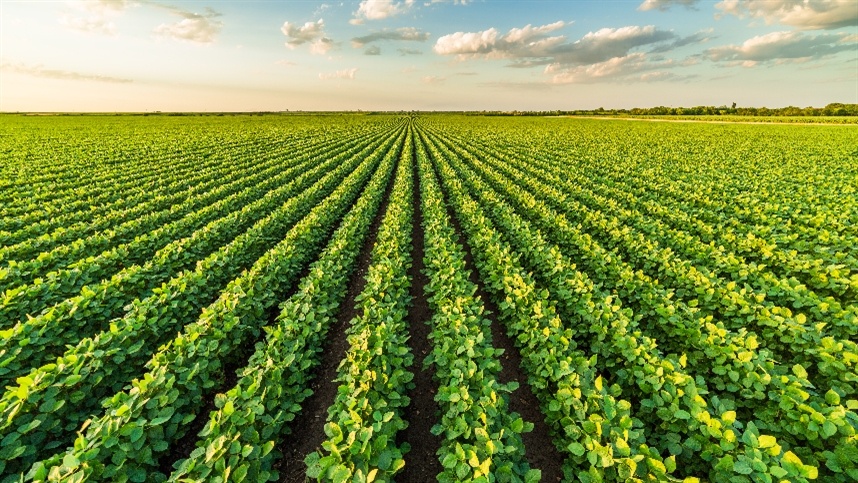
The brown stink bug and the disease complex of soy These are among the phytosanitary challenges for the 2026/27 crop season, especially given the distinct climatic scenarios across Brazil's producing regions. According to information from Embrapa and the Ministry of Agriculture and Livestock (Mapa), crop monitoring and proper management are fundamental to reducing losses and preserving the crop's productive potential.
The influence of El Niño can modify environmental conditions that favor the development of pests and diseases, but it does not, in isolation, determine the occurrence of these problems. Therefore, phytosanitary planning needs to consider the particularities of each region and monitor the crop's evolution throughout its cycle.
In the 2026/27 growing season, the forecast of higher rainfall in producing areas of the South and drier conditions in the Midwest reinforces the importance of adjusting management strategies. Key measures include monitoring stink bug populations, tracking diseases, assessing the area's history, and using different action mechanisms. “In a growing season influenced by El Niño, there is no single solution for all regions. It is necessary to be more attentive to environmental changes throughout the cycle and respond quickly to them,” says Gustavo Corsini, agronomist and Regional Marketing Manager at IHARA.
According to the expert, understanding the behavior of the brown stink bug and diseases such as Asian soybean rust, target spot, and End-of-Cycle Fungal Diseases (ECFDs) contributes to more timely decisions and the preservation of productivity.
Maintaining leaf area is one of the main points of attention in the management of fungal diseases. Monitoring should consider both environmental conditions and the presence and evolution of symptoms in the crop. According to Embrapa, among the main fungal diseases of soybeans are Asian soybean rust, target spot, anthracnose, powdery mildew, cercospora leaf spot, and different types of rot.
Target spot can progress under favorable conditions, especially during periods of well-distributed rainfall. The fungus survives in crop residues and infected seeds and can cause defoliation in susceptible cultivars, with the potential for losses mainly in Cerrado regions.
Therefore, crop monitoring and the adoption of integrated strategies are important to reduce the impacts of the disease. Asian soybean rust, in turn, finds favorable conditions when there is leaf wetness exceeding nine hours. In periods with more evenly distributed rainfall, the disease requires a structured management program.
It can occur at different stages of crop development and cause premature defoliation, compromising pod formation and filling. In regions where the disease has reached epidemic levels, recorded damage ranges from 10% to 90% of production, according to data released by the Ministry of Agriculture and Livestock (Mapa).
Among the tools cited by IHARA for managing the complex of soybean diseases is the fungicide SUGOY, which combines systemic and contact action and is registered for diseases such as Asian soybean rust, target spot, powdery mildew, and anthracnose, among others. The formulation also includes a protectant that contributes to resistance management.
End-of-cycle diseases (ECDs) also need to be included in phytosanitary planning. These include brown spot and cercospora leaf blight, which can compromise leaf area during a crucial phase for grain filling. Their occurrence varies depending on the region and crop conditions.
The crop closure period is another crucial time for management. This stage involves the final application of pesticides and is directly related to maintaining leaf health during grain filling. "Phytosanitary management has evolved significantly in recent years, but the crop closure period, which includes the final application, is a phase directly related to sustaining grain filling and determining the final soybean yield," explains Corsini.
For this stage, IHARA presents the fungicide FUSÃO FIX, developed to integrate the crop closure strategy. The product combines three active ingredients, with preventive and protective multi-site action, as well as high systemic action and fixation. It is also registered for the control of Asian soybean rust and target spot in soybeans.
In addition to diseases, the brown stink bug requires attention during the 2026/27 growing season. The pest finds favorable conditions to reproduce during soybean development, especially when there is availability of quality food.
The crop's reproductive period requires systematic population monitoring, as damage can affect both yield and grain and seed quality. "It's important for farmers to monitor during this critical period for better control, as this pest causes significant damage, with productivity losses of more than one sack per hectare for each insect per square meter, in addition to reducing seed and grain quality," explains Clérison Perini, an entomology researcher.
Monitoring during the reproductive phase helps identify the appropriate time for intervention. In addition to productivity losses, the insect can cause damage to grains, seed deformities, and reduced yield.
The evolution of brown stink bug management depends on a combination of knowledge about the pest's behavior, monitoring, and tools with different control characteristics. Among the products presented by IHARA is the insecticide TERMIUS, indicated for the control of brown stink bugs in soybeans, with shock action and prolonged residual effect.