EN
EN  PT_BR
PT_BR 

Define which plot of land sugarcane Determining when sugarcane will be harvested first involves much more than observing the plant's stage of maturity. Scheduling must combine field conditions, distance to the mill, availability of machinery and trucks, rainfall forecast, and the mill's grinding capacity. The goal is to ensure a regular flow of raw material, avoiding both sugarcane shortages and the formation of excessive stockpiles before milling.
This planning begins before the harvest. The technical team needs to map the plots considering variety, age, production history, soil type, production environment, probable ripening time, and expected productivity. From this survey, a general schedule is built for the harvest months, which is then detailed into weekly and daily periods.
Maturation is among the most important criteria. The material indicates that, under ideal conditions, the harvest should prioritize what is called technological maturity, a stage in which ATR (Total Recoverable Sugars) is maximized and stable. ATR stands for total recoverable sugars and is a reference for the amount of sugar that can be used industrially.
Monitoring may involve laboratory analysis of the juice, field sampling, and maturity prediction models. In staggered harvesting, early varieties tend to be planted first, followed by medium-cycle and late varieties. Areas with sugarcane older than ideal, at risk of lodging, or flowering may also be planted earlier to reduce potential losses.
Logistics comes into play in the decision.
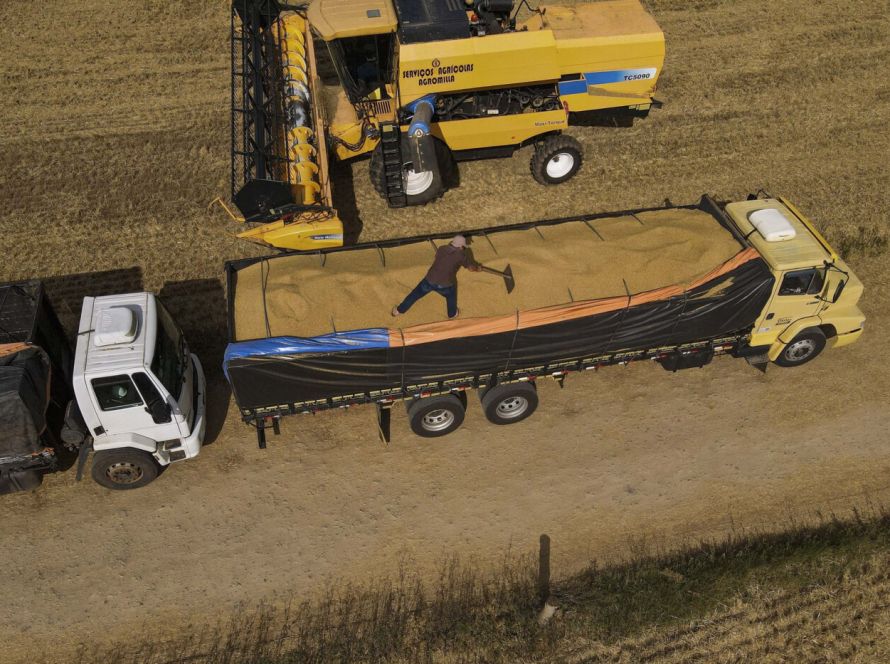
The distance between the field and the processing plant also directly affects the harvesting sequence. Fields further away increase transportation time, fuel consumption, and the number of trucks needed to deliver a given volume of sugarcane per hour. Therefore, the average distance of the harvested areas in each period needs to be compatible with the available fleet. One alternative presented in the material is to combine nearby and distant areas, better distributing transportation demand and reducing bottlenecks in loading and unloading.
Another possibility is to organize the areas into logistical pockets, grouping relatively close plots so that the same harvesting front remains in a region for a few days. Plots whose maturity allows for greater flexibility can also serve as a reserve when a priority area presents some operational restriction.
Soil and rain demand alternatives.
Planning also needs to anticipate how soil and access conditions may change during the growing season. Clay soils and those with a higher risk of waterlogging require special attention during rainy periods, because mechanized harvesting is sensitive to moisture. Sandy areas or areas with better drainage can be maintained as options for rainy periods, functioning as safety plots to preserve a minimum amount of harvested crops. Topography, internal roads, access routes, and culverts also need to be factored into the planning.
Throughout the year, the strategy should also consider the seasonality of the climate, including periods of higher rainfall, colder and drier months, dry spells, and the risk of frost. During the rainiest months, the guidance presented in the material is to prioritize areas with better drainage and access. During dry periods, the range of plots that can be included in the sequence is expanded.
Agriculture and industry need to operate at the same pace.
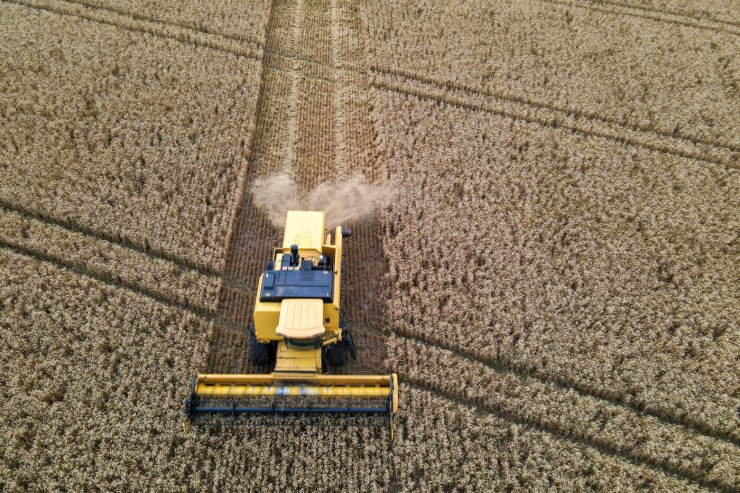
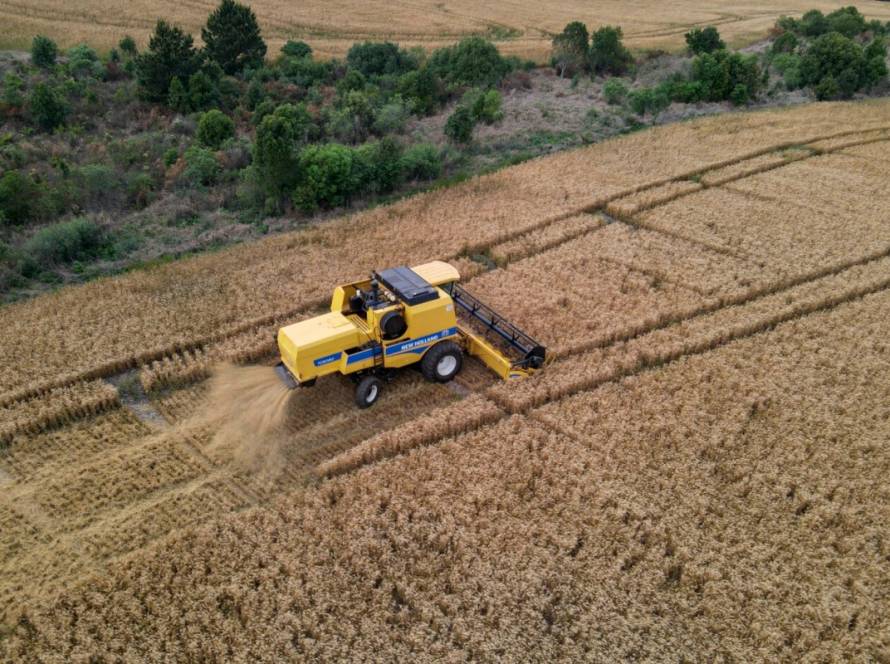
Another key point is to match the volume that harvesters can remove from the field with the amount that the industry can process. The sum of the harvesting capacity of the harvesting fronts must match the mill's milling target. When this balance does not occur, two extremes can arise. In the first, there is a lack of sugarcane to supply the industry and milling needs to be interrupted. In the second, the harvest delivers more raw material than the mill can process, creating a stockpile of cut sugarcane.
According to the material, leaving chopped sugarcane in the ground for too long before milling causes a loss of quality and can result in increased reducing sugars, fermentation, and greater difficulty in extraction.
Inadequate planning can also increase costs related to fuel, overtime, and equipment wear and tear. In the field, the entry of machinery onto unsuitable soils during rainy periods increases the risks of compaction, rutting, and erosion.
Planning involves three levels.
The material divides crop organization into three main stages. The first is annual planning, in which data from the plots are collected, productivity and ATR (Total Recoverable Sugar) are estimated, maturation cycles are classified, and the harvest volume is distributed throughout the months.
The second stage is monthly and weekly planning. This involves establishing targets in hectares and tons for each area, selecting priority plots, and setting aside alternatives for contingency situations. Maps, geographic information systems, and agricultural planning software can support this process.
The third stage is daily scheduling. This is when the actual order of the areas is adjusted to real conditions, such as rain forecast, availability of harvesters, tractors and trucks, machine breakdowns, or road problems. The goal is to bring the volume cut and transported closer to the daily milling target.
Monitoring allows for course correction.
Even detailed planning needs to be reviewed throughout the harvest season. Among the indicators to be monitored are daily volume harvested and milled, average ATR (Total Recoverable Sugar) of the delivered sugarcane, truck travel time, actual productivity compared to the forecast, rainfall occurrence, and soil conditions. With this data, the schedule should be reviewed weekly and, if necessary, daily. Changes in the order of the plots, bringing forward or postponing certain areas, can help restore the balance between field supply and industry capacity.
Harvest planning is also linked to decisions made before cutting. Variety selection, planting time, fertilization, pest and disease management, and sugarcane field renewal all affect productivity and maturation period. The distribution of early, medium, and late varieties among different production environments should be considered from planting onwards to allow for future staggered harvesting.