EN
EN  PT_BR
PT_BR 
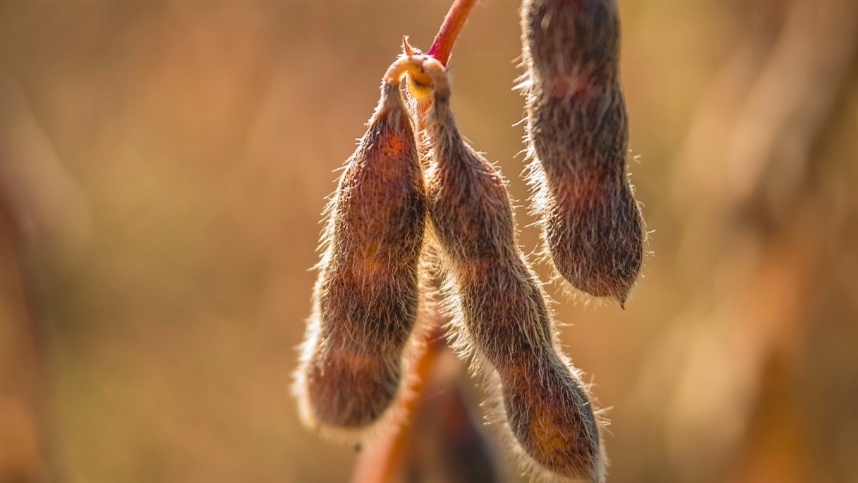
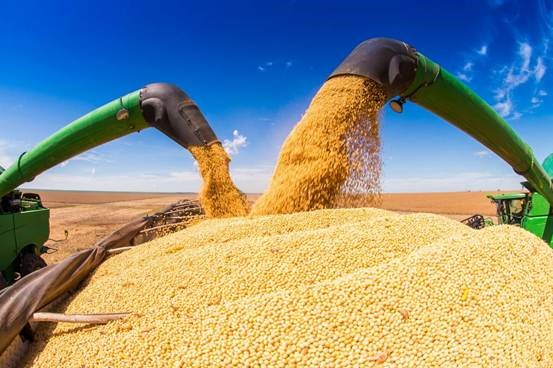
The seed of soy This is one of the key decisions for planning the 2026/2027 harvest, which Brazilian producers have already begun to structure. With the 2025/2026 harvest estimated at 180.5 million tons, a historical record, defining the genetics, quality, and adaptation of the material to the region becomes increasingly important for the crop's productive potential.
According to data released by the National Supply Company (Conab), soybean production in the 2025/2026 harvest is expected to grow by 5.21 TP4T compared to the previous cycle. Given this scenario, farmers are evaluating inputs, farm conditions, and regional characteristics before deciding on the materials to be used in the next planting.
Genetics and adaptation of soybean seeds
The choice of seed depends on the combination of genetics, physiological quality, and adaptation to growing conditions. These factors influence plant development and the results obtained throughout the growing season. “In a high-productivity scenario, every decision made before planting can make a difference. Seed selection is among the most important for crop success,” explains Rafael Toscano, Commercial Seed Manager at ORÍGEO, a joint venture between Bunge and UPL, specializing in sustainable solutions and integrated management for large farmers in the Cerrado region.
According to the expert, the origin and choice of material suitable for the region's characteristics are also crucial for establishing the crop. “The seed is the starting point of the crop. When the producer chooses genetic material suitable for their region, with quality and origin, they increase the chances of having a more uniform and productive crop. It's a decision that influences the entire development of the crop,” Toscano emphasizes.
Portfolio expands options for the producer.
To support planning for the next harvest, ORÍGEO relies on Ayos Sementes, a brand that brings together a portfolio of more than 60 soybean cultivars. According to information presented by ORÍGEO, the materials are developed through different genetic improvement programs and adapted to the main producing regions of the Brazilian Cerrado. This diversity allows for consideration of different characteristics when choosing a cultivar, taking into account the conditions of the property and the region where the crop will be planted.
Quality begins before planting.
Beyond genetics, ensuring seed quality involves several steps prior to the material reaching the field. According to information from ORÍGEO, Ayos monitors processes ranging from production to seed storage. This monitoring aims to preserve the quality of the material and offer greater security to the producer at the beginning of crop establishment.
Crop planning begins before sowing.
The selection of the seed is part of a broader planning process that involves evaluating inputs, farm conditions, and the characteristics of the producing region.
In this process, ORÍGEO claims to offer technical support from cultivar selection to crop development. The goal is to combine available genetic diversity with guidance so that the choice of material is appropriate to the conditions of each area. With the 2026/2027 harvest already in the planning phase, the early definition of the cultivar allows the producer to begin the cycle considering genetics, quality, and adaptation as central points of the production strategy.