EN
EN  PT_BR
PT_BR 
The new global grain supply and demand report from the United States Department of Agriculture (USDA) maintains Brazil as the central axis of the global balance of soybeans and corn in 2026. Projections indicate high production in South America and consolidate Brazil's leading role in exports.

Photo: Shutterstock
For soybeans, the USDA confirms Brazil as the world's largest producer and exporter, with expectations of a robust harvest supported by acreage expansion and productivity recovery in regions impacted by adverse weather conditions in the previous cycle. The projected volume maintains the country as the main supplier to China, the world's largest buyer of the oilseed.
The report indicates that global supply remains comfortable, but with stocks sensitive to potential shortfalls in South America. In this scenario, the performance of the Brazilian harvest becomes crucial for the formation of international prices.
Corn increases its strategic relevance.
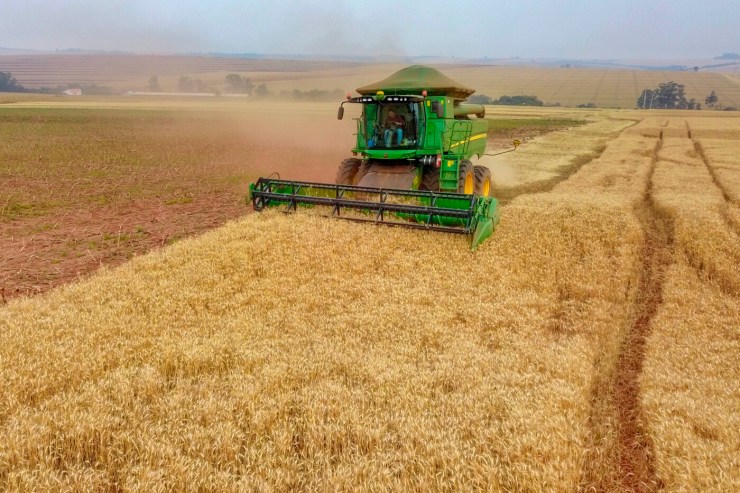
In the corn sector, estimates reinforce Brazil's structural advancement as a major exporter. The second crop – the "safrinha" – continues to be the main driver of growth, increasing exportable availability and strengthening Brazilian competitiveness against other traditional suppliers.

Photo: Shutterstock
The USDA indicates that global trade will continue to depend on South American performance, especially in the second half of the year, a period in which Brazilian corn gains ground in international shipments.
The combination of high productivity, a two-crop calendar, and logistical gains consolidates the country as a strategic supplier to markets in Asia, the Middle East, and the European Union.
Global stocks
Although the report points to relative stability in global grain stocks, the scenario still requires attention. The margin for production errors is limited, which maintains volatility in futures markets.
According to analysts, the set of figures released by the USDA confirms a trend already observed in recent years: Brazil has not only increased its participation, but has begun to directly influence the balance between global supply and demand.
If the projections are confirmed, 2026 should consolidate the country as the main reference in the world supply of soybeans and as one of the pillars of the international corn trade, reinforcing its strategic role in global food security.