EN
EN  PT_BR
PT_BR 
The infestation of purple amaranth (Amaranthus hybridus) in soybean crops has intensified over the last four harvests, initially in Rio Grande do Sul and, more recently, with reports of greater difficulty in controlling it in states such as Santa Catarina, Paraná, and São Paulo. The spread of this weed worries producers and technicians due to the potential for yield losses and the impact on grain quality.
 According to Rafael Romero Mendes, a researcher at Embrapa Soja who is an agronomist with a postgraduate degree in Soil Fertility and Plant Nutrition, amaranth has characteristics that favor its dissemination and competitiveness in the field. "There are several species of amaranth; however, the main ones share similar aggressive characteristics. In general, amaranth tends to have rapid and aggressive growth, small seeds, ease of dispersal, and a high germination capacity," he mentions.
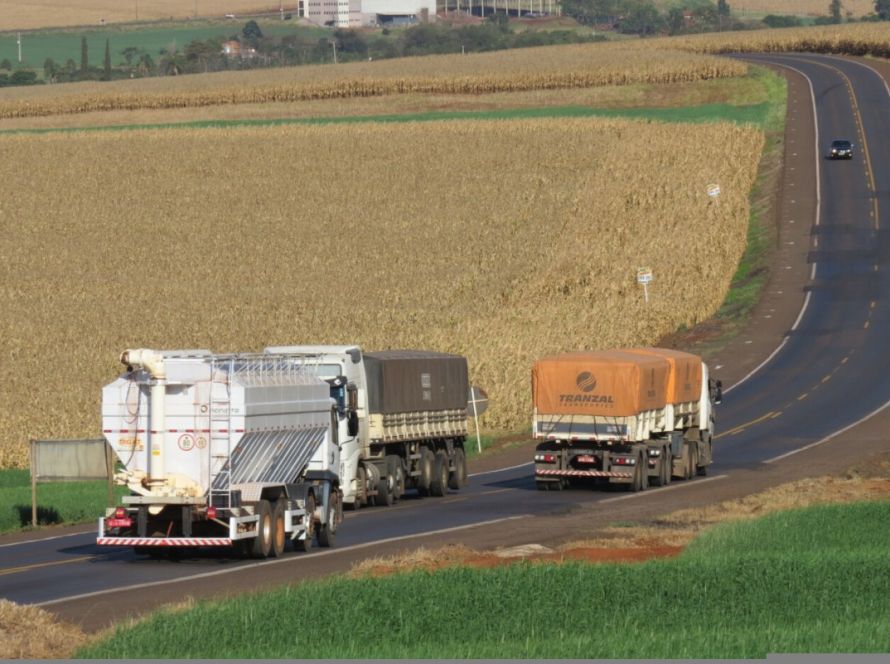
The increase in infested areas is mainly associated with resistance to certain herbicides and the dissemination of seeds through agricultural machinery. “We recommend, as a preventative measure, for example, cleaning the machinery, which is a simple action that can reduce seed dispersal. Another valid measure is to keep the soil always covered with mulch to reduce the germination of pigweed,” advises Mendes.
In addition to preventative practices, the researcher points to the use of cultivars with new biotechnologies as a management alternative. Regarding chemical control, he highlights the importance of pre-emergence herbicides. “The indication for use will depend on whether the area itself or neighboring areas have pigweed plants. In cases of glyphosate resistance, the use of pre-emergent herbicides is indispensable,” he explains.
Use of pre-emergents
 The use of pre-emergent herbicides has increased in recent harvests as a strategy to prevent weed germination soon after planting. However, this practice requires technical attention, especially regarding soil characteristics, climatic conditions, and the cultivar used. "One of the main points of attention is the risk of phytotoxicity, that is, damage that the herbicide can cause to the crop itself," warns Mendes. "Although herbicides are developed not to affect soybeans, product residues in the soil can cause symptoms such as plant injuries, irregular emergence, and stand failures," he adds.
Impurities in soybean batches
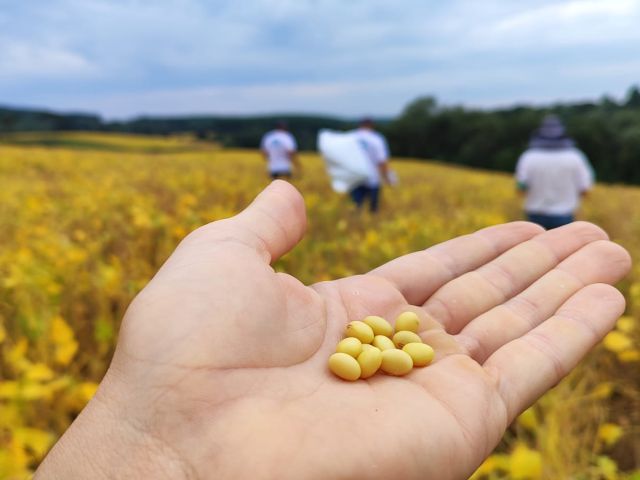
 The spread of amaranth also has repercussions in foreign trade. Recent cases of Brazilian soybean shipments being rejected by importers, such as China, due to the presence of weed seeds, reinforce the demand for more rigorous standards. "Even within levels considered acceptable, some shipments were refused, highlighting the commercial rigor and decision-making power of importers," says the researcher.
This scenario increases the pressure for efficient management throughout the entire production cycle. "There are no isolated solutions, but control must be well executed from the beginning, preventing invasive plants from completing their cycle and producing seeds that could contaminate the harvest," emphasizes Mendes.