EN
EN  PT_BR
PT_BR 
The Paraná Rural Development Institute – Iapar-Emater (IDR-Paraná) launched this week at ExpoLondrina 2026 the book “Oilseed Plants for Biodiesel in Paraná”, in an event at the Arena Futuro of the SmartAgro Pavilion.

Photo: Disclosure/IDR-Paraná
The publication, with 14 chapters and 849 pages, brings together contributions from 38 researchers and presents, in practical language, information focused on production diversification, sustainability, and income generation in rural areas. “This launch is the result of a collective effort integrating research, extension, and institutional partnerships. More than a technical compendium, it offers concrete paths for strengthening oilseed production chains,” stated the Director of Research and Innovation at IDR-Paraná, Vania Moda Cirino, adding: “It will certainly become a practical manual for technicians and producers interested in diversifying production in the State.”
The book is the result of a project by IDR-Paraná that, for more than seven years, studied and evaluated the agronomic suitability of ten oilseed species for the soil and climate conditions of the Paraná territory: peanut, canola, safflower, crambe, sunflower, castor bean, forage turnip, sesame, jatropha, and tung. Each chapter addresses botanical and physiological aspects of the crops, as well as management practices such as fertilization, pest and disease control, agricultural zoning, and harvesting. These factors directly impact oil yield and are detailed throughout the work.
Another highlight is the approach to the production chain. The publication is not limited to agricultural production, but also covers topics such as oil quality and processes.

Photo: Geraldo Bubniak/AEN
Extraction, including technologies such as micropresses, and the utilization of co-products, such as cakes and bran, are fundamental to the economic viability of the system. These by-products can generate additional income for the producer, especially when destined for animal feed, provided they meet criteria such as protein content and absence of antinutritional compounds.
Diversification
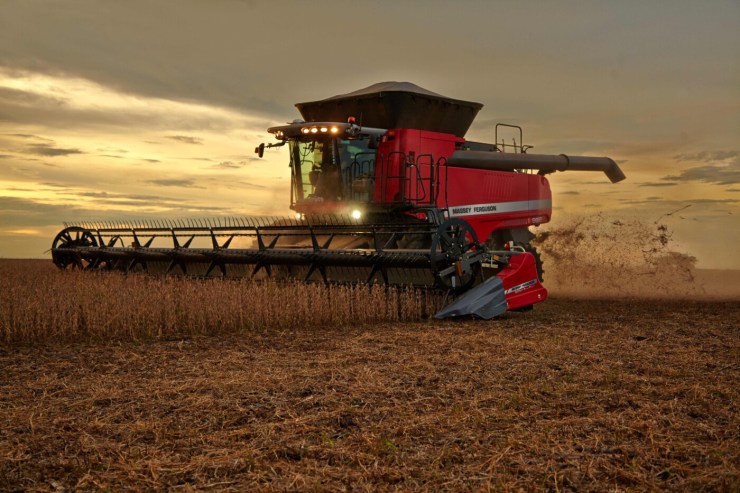
One of the main findings of the work is the dependence on soy as a raw material for biodiesel in Brazil. Compiled data indicates that, in 2021, approximately 71.41 tft of national biodiesel was produced from soybean oil. "The dependence of the soybean chain for biodiesel production demonstrates low sustainability in the energy matrix. The challenge is to broaden the range of oilseeds, respecting regional conditions," the authors state in the chapter that outlines the sector's panorama.

Photo: Press release/Aprosoja MT
The book presents viable technical alternatives for different regions of the state, considering factors such as climate, soil, and production systems. Crops like canola and sunflower, for example, appear as strategic options for the winter period, also contributing to crop rotation and improved soil quality.
Panorama
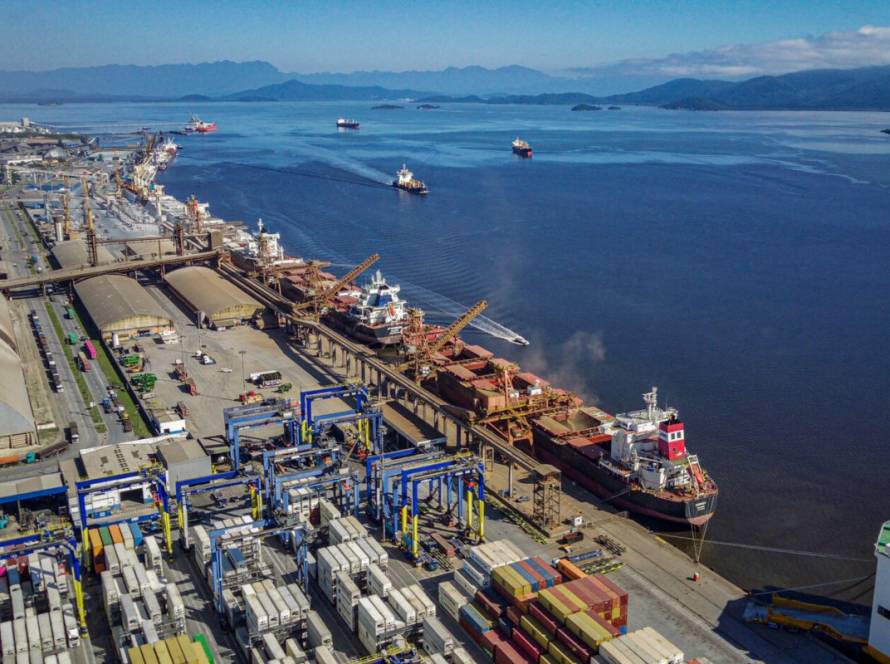
Brazil is one of the world's largest producers of biodiesel. National production is projected to reach 9.8 billion liters in 2025, driven by public policies such as the PNPB (National Program for the Production and Use of Biodiesel). In Paraná, with an annual production of around 2.3 billion liters, the sector is gaining importance with the installation of plants and the increased demand for raw materials.
Historically concentrated on soybeans, which dominate the oilseed crops cultivated in the state, the activity is beginning to incorporate alternatives, albeit on a smaller scale. Data presented in the book indicate, for example, the growth of canola cultivation in Paraná, with an area close to 8,000 hectares in the winter crop, especially in the western and southwestern regions of the state. In the global scenario, the production of vegetable oils, the basis for biodiesel, exceeds the equivalent of more than 200 billion liters per year, with soybeans and palm oil being the most prominent. The book is available for purchase at [website address - not provided in the text]. IDR-Paraná website at a cost of R$ 300.00.