EN
 PT_BR

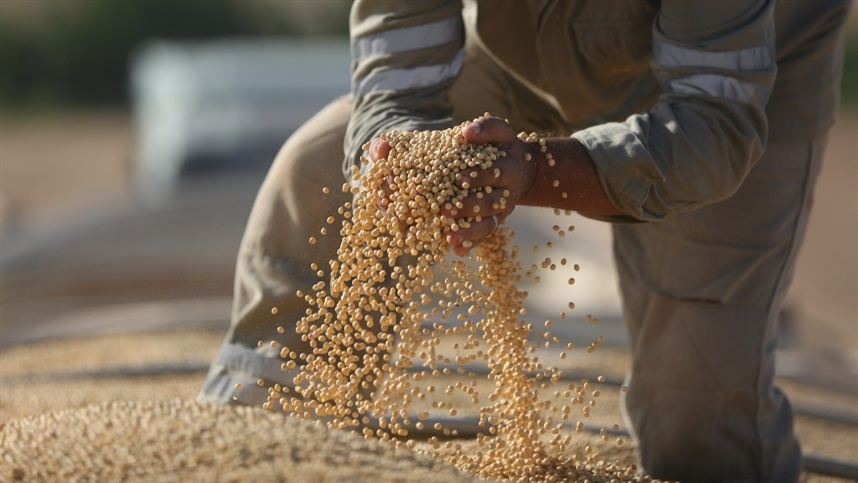
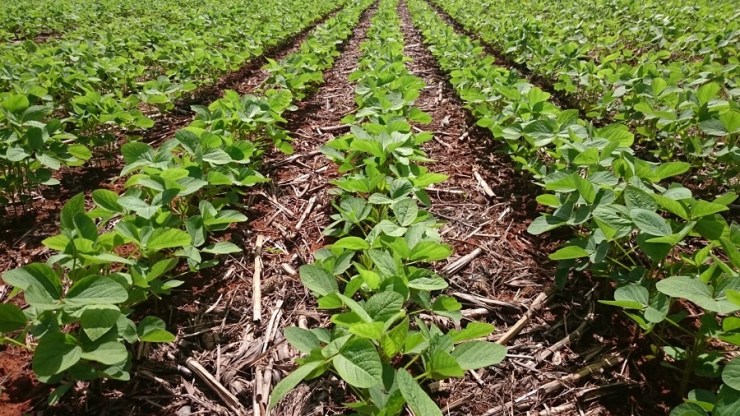
Planting soy Production is progressing at different paces across the country, with rain hindering work and local prices reacting unevenly to the international market. According to TF Agroeconômica, the recovery in Chicago prices and the rise in the dollar have not yet translated into a generalized increase in the price per sack in producing regions.
In Rio Grande do Sul, planting has reached 3% of the planned area, below the historical average of 5%, but at the same pace as last year. According to Emater/RS-Ascar, excessive humidity, cold weather, and low solar radiation are hindering crop establishment. In Ijuí, the price per sack remains at R$ 145.00, while Passo Fundo registers R$ 146.50.
In Santa Catarina, Abelardo Luz maintains the reference price of R$ at 147.00 per sack, FOB condition. The forecast of further rain requires attention to planting schedules and grain harvesting, especially due to difficulties in accessing the properties.
In Paraná, 47% of the area was sown, compared to an average of over 55% in the last three harvests. On the other hand, exports of the soybean complex reached 12.79 million tons from January to September, an increase of 3%, with revenue of US$5.76 billion, an advance of 13%. Paranaguá registers R$ 155.50 per sack, compared to R$ 144.50 in Cascavel.
In Mato Grosso do Sul, planting reached 32%, equivalent to approximately 1.5 million hectares. Heavy rains caused erosion in some areas and interrupted operations. Maracaju and Sidrolândia show stable prices of R$ 141.00 per sack.
In Mato Grosso, all five markets monitored by Imea registered a decline, despite the external improvement. Prices range from R$133.80 in Sorriso to R$140.25 in Rondonópolis. This scenario reinforces the importance of evaluating freight costs, payment terms, and delivery conditions before closing deals.