EN
EN  PT_BR
PT_BR 
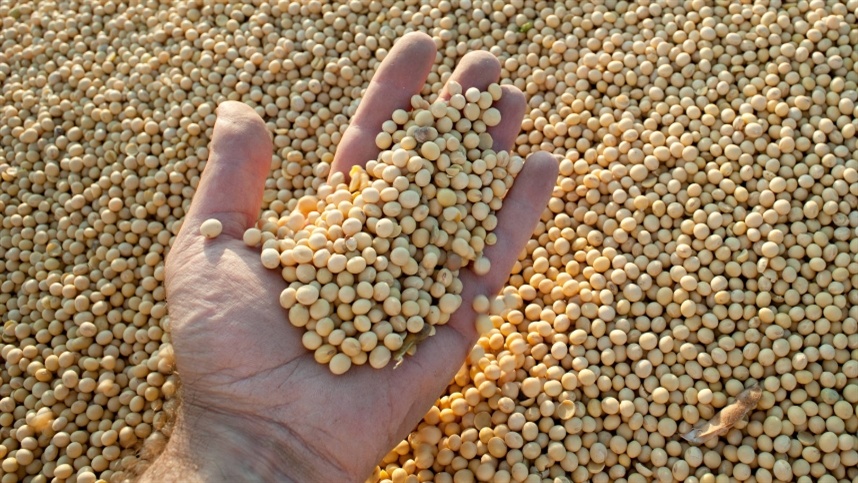
The market of soy Selective negotiations are underway in key producing regions, with low liquidity, lot retention, and occasional fluctuations in physical prices. According to a survey by TF Agroeconômica, the behavior observed on September 17 shows cautious sellers, high costs, and regional differences in the pace of sales and the start of the new harvest.
In Rio Grande do Sul, business remains concentrated in export corridors and without large volumes, while premiums show little change. Rio Grande reached R$ 162 per sack, an increase of 0.93%, and Santa Rosa advanced 0.65%, to R$ 155. Ijuí and Cruz Alta remained at R$ 153.
In Santa Catarina, the physical market showed mixed behavior, with stability in São Francisco do Sul at R$ 162, and over-the-counter references at R$ 139.50 in Palma Sola and R$ 140 in Rio do Sul. Reports on social media indicate more aggressive offers from local buyers seeking grain for the agribusiness sector.
Paraná showed growth in soybean complex exports. Between January and August, 11.67 million tons were shipped, a growth of 41% compared to 2025, with revenue of US$5.2 billion, an increase of 13%. Soybean oil reached 563,950 tons, an expansion of 48% in volume and 6% in value.
In Mato Grosso do Sul, the second authorized day of planting for the 2026/27 crop season saw predominantly stable prices. In Mato Grosso, however, costs were a major concern. The total cost was estimated at R$ 8,171.41 per hectare, an increase of 16.69%, while the projected EBITDA decreased by 35.05% compared to the previous cycle. This scenario reinforces the need for cash preservation and greater selectivity in sales.