EN
EN  PT_BR
PT_BR 
The United States National Oceanic and Atmospheric Administration (NOAA) and the World Meteorological Organization (WMO) have officially confirmed the formation of La Niña in 2025, with a 71% probability of persistence until February 2026. Although classified as weak in intensity, the phenomenon is expected to bring more intense rainfall to parts of the North and Northeast regions of Brazil during the 2025/26 growing season.
Despite favoring water availability, with rainfall exceeding historical volumes, the excess moisture also demands attention from farmers to avoid losses. According to Frederico Dellano, PhD in Agronomy, the impacts should not be ignored. "Producers need to anticipate and plan management to deal with periods of higher humidity, as this can intensify the occurrence of nematodes, favor fungal diseases, and compromise grain quality at harvest," he explains.

Photo: Jose Fernando Ogura
Among the main recommendations are the proper selection of cultivars and the preparation of the planting structure. “It is important to select cultivars adapted to the region's conditions and resistant to the most common diseases. In addition, the farmer should organize the logistics of inputs, carry out maintenance and adjustments of machinery in advance to take advantage of the intervals between rains, avoiding losses in the planting window,” advises Dellano.
The expert also emphasizes the need to pay attention to the soil. “Sowing is not recommended when the soil is waterlogged, as this increases the risk of compaction and hinders crop development. Whenever possible, it is advisable to use cultivars with greater tolerance to lodging, since excessive rain can exacerbate this problem,” he adds.
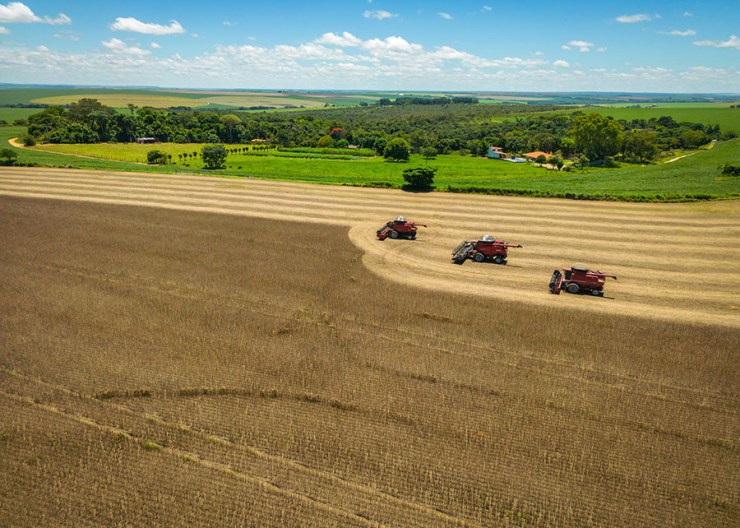
Another critical point is harvesting. “With increased humidity, there may be germination of the grains while still in the pods, loss of quality, and even the emergence of late-cycle diseases. Seeking cultivars with better tolerance to these conditions is a way to reduce the impacts,” adds the expert.
Despite the challenges, the PhD in Agronomy points out that La Niña years can be more favorable in the North compared to El Niño periods, when rainfall is usually lower. “Excess water requires additional care, but with planning and the use of more adapted cultivars, it is possible to maintain good productive results. This La Niña, even though weak, deserves extra attention, especially during critical crop periods,” he emphasizes.